Movement Analysis (AQA GCSE Physical Education (PE)): Exam Questions

Exam code: 8582

2 hours25 questions
1
1 mark

Which one of these shows how to calculate the mechanical advantage of a lever?

  • Effort arm x weight (resistance) arm

  • Effort arm ÷ weight (resistance) arm

  • Effort arm + weight (resistance) arm

  • Effort arm - weight (resistance) arm

2
2 marks

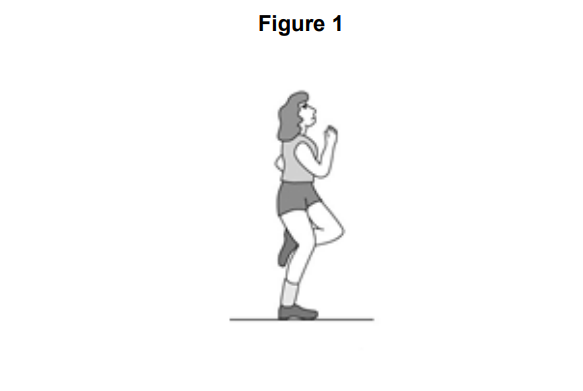
Figure 1 Shows a young athlete running. The running action involves the use of many joints within the body.

Fig 1

Identify the plane and the axis about which the running action takes place.

3
1 mark

Zack is a 16-year-old GCSE PE student. He is just about to play a game of basketball for his school team.

Figure 4 shows a basketball player jumping to execute a shot.

Fig 4

Draw the lever system which operates at the ankle joint in the space below. Label the fulcrum, effort and load.

4
2 marks

Define circumduction.

Use an example of a sporting action in your answer.

5
1 mark

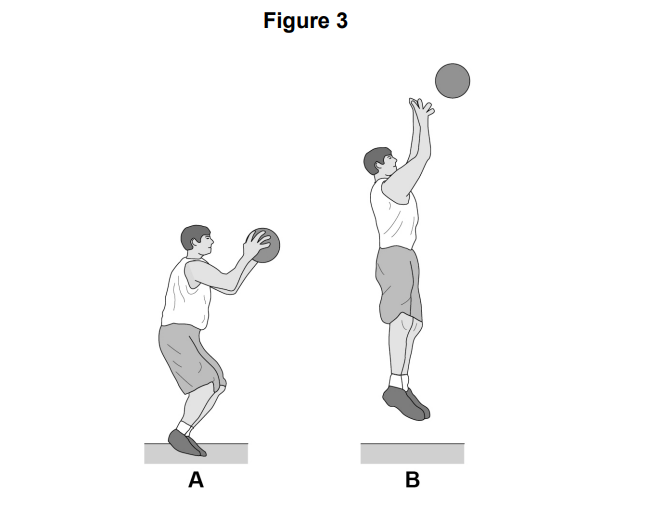
Figure 3 shows a basketball player in two different positions (A and B) as they perform the jump shot.

Fig 3

Identify the joint action taking place at the knee as the basketball player moves from A to B.

6
2 marks

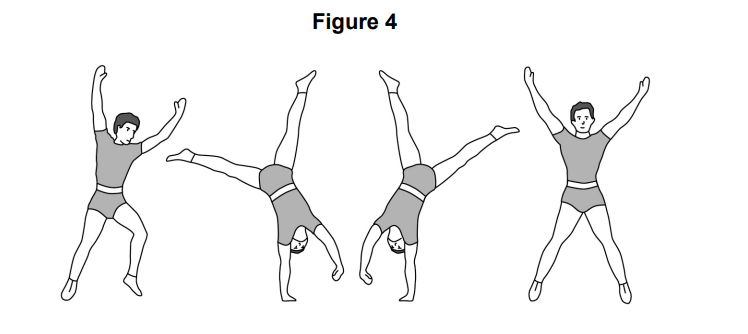
Figure 4 shows a gymnast performing a cartwheel.

Fig 4

Identify the plane and axis when the gymnast in Figure 4 is performing a cartwheel.

7a
1 mark

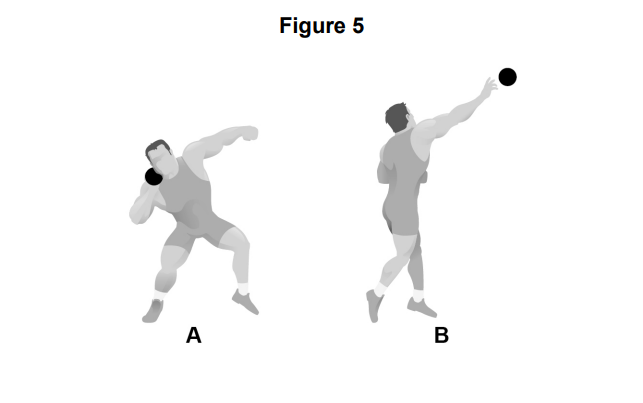
Figure 5 shows a shot putter in two different positions (A and B) as they release the shot.

Figure 5

Identify the class of lever used at the elbow as it moves from A to B.

7b
2 marks

Draw a fully labelled diagram to show the class of lever identified in part (a).

8
1 mark

Which box one of these movements takes place in a frontal plane?

  • Bicep curl

  • Discus throw

  • Front somersault

  • Star jump

9
2 marks

Define abduction.

Use an example of a sporting action in your answer.

10
1 mark

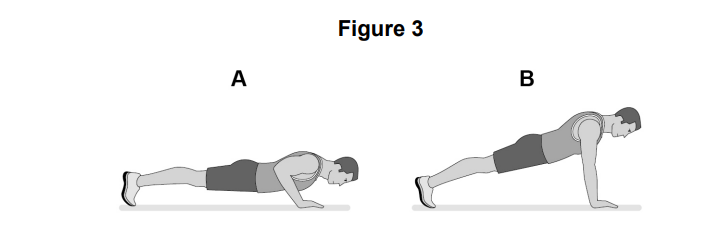
Figure 3 shows an individual performing a push-up.

Figure 3

Identify the joint action taking place at the elbow during the upward phase (A to B) of the push-up.

11a
2 marks

Define plantar flexion.

Give a sporting example.

11b
2 marks

Define adduction.

Give a sporting example.

12
2 marks

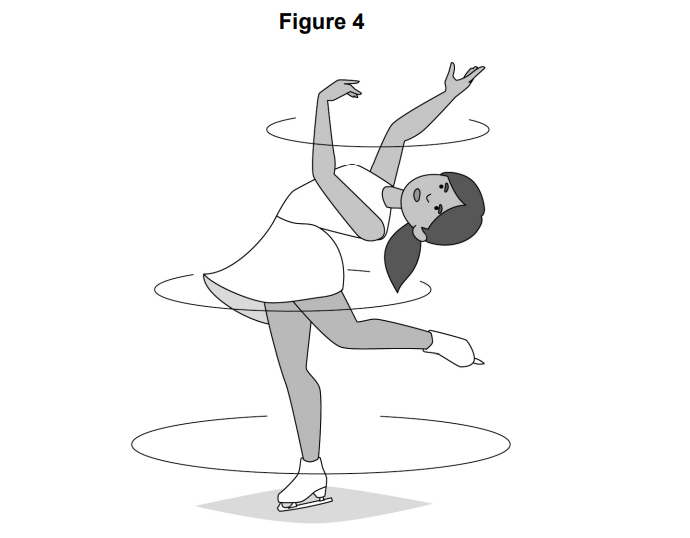
Javeria is an ice skater.

Figure 4 shows Javeria performing a 360° twist (ice skating spin).

Fig 4

Identify the plane and axis of movement when Javeria performs the 360° twist.

13a
1 mark

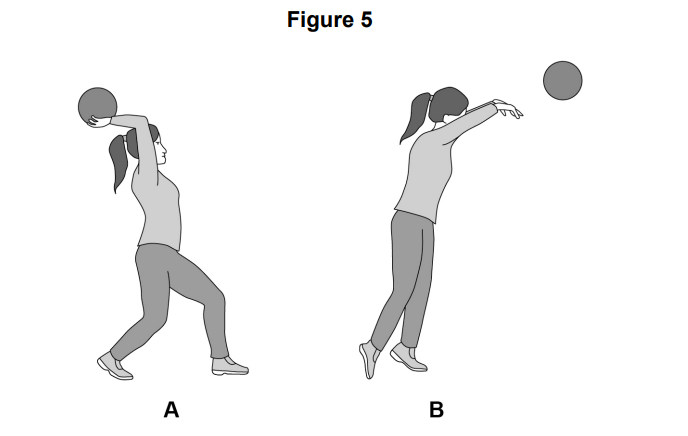
Figure 5 shows a netball player in two different positions (A and B) as they perform a throw.

Fig 5

Use Figure 5 to help answer the following questions.

Identify the class of lever system used at the elbow as it moves from A to B.

13b
2 marks

Draw a fully labelled diagram to show the class of lever identified in part (a).

14a
1 mark

An athlete is performing a push-up.

Identify the joint action taking place at the elbow during the downward phase of the push-up.

14b
1 mark

During the upward phase of the push-up, the elbow extends.

Identify the specific class of lever system working at the elbow during this upward phase.

14c
2 marks

Draw a fully labelled linear diagram of the lever system you identified in part b.

15a
1 mark

A football player strikes a ball towards the goal.

Identify the joint action at the hip as the player draws their leg vigorously backward in preparation to kick.

15b
1 mark

Identify the class of lever operating at the knee during this forward swing.

15c
2 marks

Explain why the lever system identified in part (b) is highly beneficial for kicking a football.

16a
1 mark

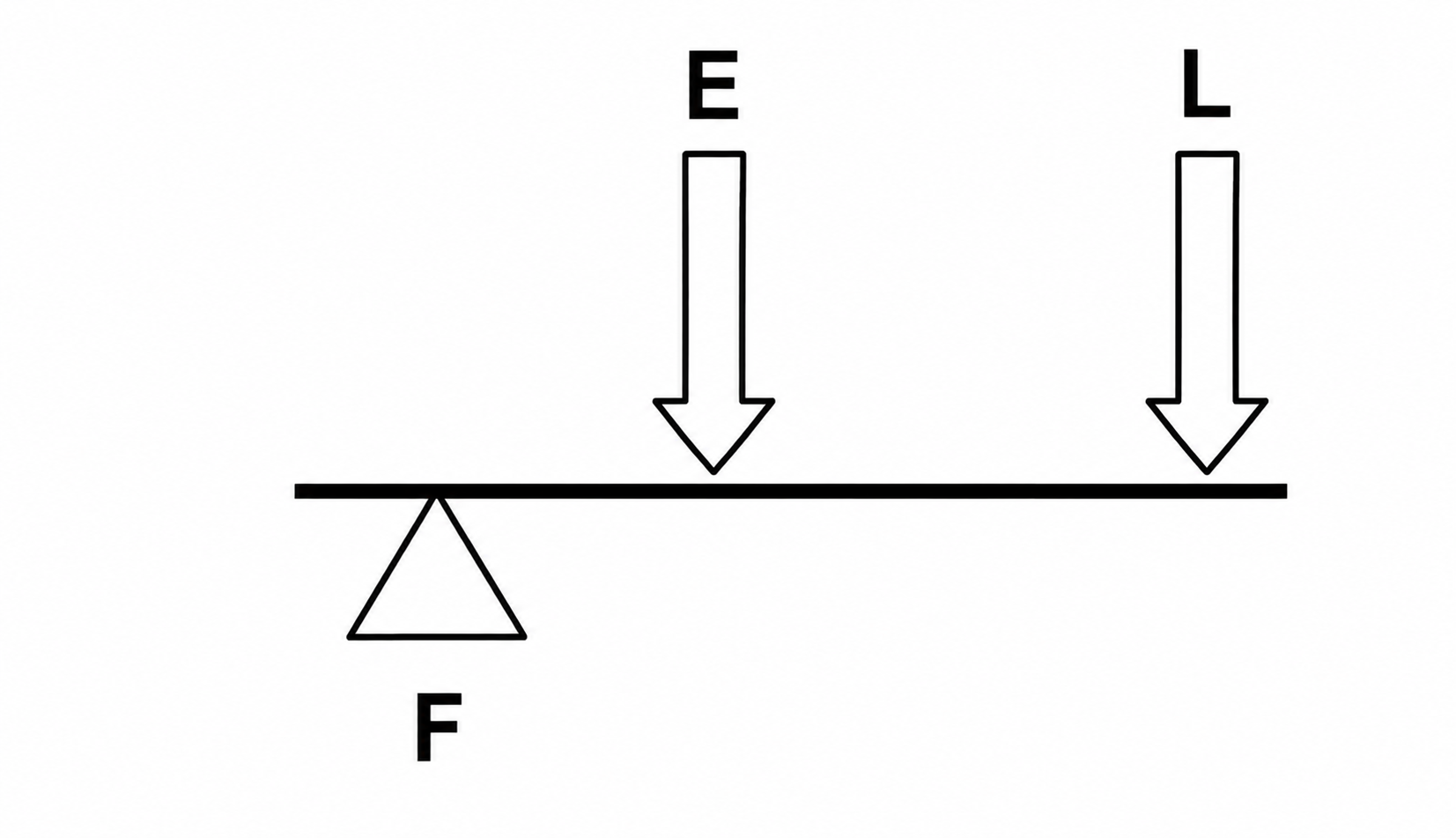
Figure 3 shows a linear diagram of a lever system.

Figure 3

Diagram of a lever: fulcrum F near the left, effort E pushing down in the middle, and load L pushing down at the right end of the bar.

Identify the class of lever shown in Figure 3.

16b
1 mark

Give one sporting example of a joint action that uses the class of lever shown in Figure 3.

16c
2 marks

Explain why the lever system shown in Figure 3 has a low mechanical advantage.

1
4 marks

Using an example from a sport of your choice, identify the two types of movement that can occur at a hinge joint.

2a
1 mark

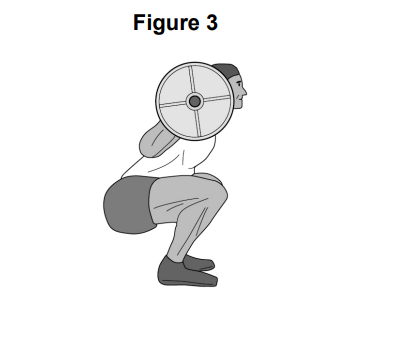
Figure 3 shows a person performing a back squat.

Figure 3

Identify the class of lever system used at the knee whilst performing the back squat in Figure 3.

2b
2 marks

Draw a fully labelled diagram to show the class of lever identified in part (a).

2c
2 marks

Explain why the lever in Figure 3 has a low mechanical advantage.

3a
1 mark

As a runner drives off the starting blocks, they push off the floor using their ankles.

Identify the specific joint action taking place at the ankle when the toes point downwards to drive off the floor.

3b
1 mark

Identify the class of lever system working at the ankle joint when driving off the floor.

3c
2 marks

Draw a fully labelled diagram to show the class of lever identified in part b.

3d
2 marks

The lever system operating at the ankle provides a high mechanical advantage.

Explain why this lever system has a high mechanical advantage.

4a
1 mark

A coach is analysing two different lever systems working in an athlete's body.

  • Lever A has an effort arm of 5 cm and a resistance arm of 15 cm.

  • Lever B has an effort arm of 20 cm and a resistance arm of 5 cm.

State the correct formula for calculating Mechanical Advantage.

4b
2 marks

A student claims that Lever B represents a second-class lever system.

Do you agree or disagree with the student? Justify your answer using the measurements provided.

4c
2 marks

The coach observes an athlete using Lever B at the ankle joint to push forcefully off the starting blocks.

Identify the specific joint action taking place at the ankle, and the plane of movement this action occurs in

4d
2 marks

Lever A represents a third-class lever.

Give one sporting example of a joint action at the elbow that uses this class of lever, and identify the main agonist muscle responsible for creating this movement.

5a
1 mark

A netball player extends her arms at the elbow to perform a powerful chest pass.

Identify the specific class of lever system operating at the elbow as the arm extends to throw the ball.

5b
3 marks

The lever system operating at the elbow during the chest pass has a low mechanical advantage.

Explain why this is the case, and justify why a low mechanical advantage is actually beneficial for a netball player throwing a pass.

6a
2 marks

Marcus is a basketball player. During a competitive game, he performs the following three movements in quick succession:

  • Movement A: Marcus receives the ball and performs a 360-degree pivot (spin) on one foot to dodge a defender.

  • Movement B: Marcus bends his knees, then forcefully drives off the floor using his ankles to jump for a rebound.

  • Movement C: While in the air, Marcus performs a powerful chest pass, extending his arms at the elbow to throw the ball to a teammate.

Identify the plane and axis of movement used by Marcus during Movement A.

6b
2 marks

Identify the specific class of lever system operating at the ankle during Movement B, AND identify the specific class of lever system operating at the elbow during Movement C.

6c
4 marks

The lever systems used in Movement B and Movement C provide different types of mechanical advantage.

Analyse why they have different mechanical advantages, and evaluate why both are highly beneficial for Marcus in this specific basketball scenario.

1
6 marks

A gymnast's floor routine includes a front somersault, a cartwheel, and a 360-degree twist (spin).

Analyse the planes and axes of movement the gymnast's body must move through to successfully complete these three specific skills.

2
9 marks

During a game, a basketball player performs a jump shot. They violently extend their knees to jump into the air, and then extend their elbows to push the ball towards the hoop.

Evaluate the mechanical advantage of the specific lever systems operating at the knee and the elbow during the execution of this jump shot.

3
6 marks

A sports scientist measures the lever systems operating at the joints of three different athletes during performance.

The measurements are shown in Table 1 below:

Athlete

Effort Arm

Resistance Arm

Athlete A

5 cm

15 cm

Athlete B

20 cm

5 cm

Athlete C

4 cm

25 cm

Using the formula for mechanical advantage, analyse the data in Table 1.

Deduce which athlete is most likely performing a standing vertical jump by pushing off their toes, and justify your choice.