A Level Results Day 2026: Key Dates & What Happens Next

Written by: Angela Yates
Reviewed by: Emma Dow
Published
Contents
- 1. Key Takeaways
- 2. When Is A Level Results Day 2026?
- 3. How to Get Your A Level Results
- 4. Understanding Your UCAS Status
- 5. What to Do If You Get the Grades You Need
- 6. What to Do If You Don't Get the Grades You Expected
- 7. What If You Do Better Than Expected?
- 8. How to Prepare Before Results Day
- 9. A Level Results Day Checklist
- 10. What Happens After Results Day
- 11. Frequently Asked Questions
- 12. Celebrate Your A Level Success
A Level Results Day 2026 is one of the most important days of your school life. After months of hard work, revision, and exams, this is when you finally discover your results and what they mean for your next steps.
But, when do results actually come out? Where do you collect them? What happens on UCAS if you miss a grade by one mark? The questions pile up, and the waiting only makes them louder.
This guide clears all of that up. You'll find the exact date, how to get your results, what every UCAS status means, and what to do for every possible outcome - top grades, near misses, and surprises in both directions.
Key Takeaways
A Level Results Day 2026 is Thursday 13 August 2026 across England, Wales, and Northern Ireland.
You can collect results in person at school or view them online from around 8 a.m.
Your UCAS Hub updates the same morning to show whether your university place is confirmed.
There's always a next step - confirmed offers, Clearing, appeals, or resits.
When Is A Level Results Day 2026?
A Level Results Day 2026 takes place on Thursday 13 August 2026. That date is set by the Joint Council for Qualifications (JCQ) and applies to every exam board.
Schools and colleges release grades from around 8 a.m. UK time. UCAS Hub updates from the same time to confirm university decisions.
Each school sets its own collection times, usually between 8 a.m. and 10 a.m. If you're collecting in person, check your school's schedule and bring photo ID.
Studying abroad or remotely? Your results can be emailed to you or shared through an online portal.
How to Get Your A Level Results
There are three main ways to access your results on A Level results:
1. Collecting Results in Person
Most students collect their results paper at school.
Bring photo ID, such as a passport or student card.
Arrive at your school’s designated time and venue.
Bring a pen and notebook in case you want to take notes or ask teachers for advice.
If you cannot attend, you can authorise someone else, like a parent, to collect your results with written permission and ID.
2. Checking Results Online
If your school uses an online portal, you can usually log in from 8 a.m. on results day.
Keep your login details and UCAS Personal ID ready.
Check UCAS Hub (opens in a new tab) for updates on your offers.
Download a copy of your statement of results for your records.
3. Receiving Results by Email or Post
Some schools send results electronically or by post.
Confirm your contact details before results day.
Be aware that posted results may arrive later in the day or the following morning.
Collecting in person has one big advantage: your teachers are right there. If anything needs sorting quickly, you can ask for advice on the spot. Plus, your friends will be there and you can share the results day experience with them.
Understanding Your UCAS Status
Your UCAS Hub shows your updated university application status on results day. Here's what each one means:
UCAS status | What it means | What to do |
|---|---|---|
Unconditional | Your place is confirmed. | Celebrate, then check your next steps with the university. |
Conditional | Your place depends on meeting specific grades. | Wait for your results. Meet the conditions and it changes to unconditional. |
Unsuccessful / Referred | You didn't meet your offer conditions. | Check whether the university has accepted you anyway. If not, explore Clearing. |
Clearing | You're not holding an offer, or you want a new one. | Search UCAS Clearing for available courses and contact universities directly. |
What to Do If You Get the Grades You Need
Congratulations - your hard work paid off. Here's what to do next.
Check UCAS Hub. Your firm choice should now show as unconditional.
Confirm your place. Most universities confirm automatically, but double-check in UCAS.
Get organised. Arrange accommodation, apply for student finance, and look over your reading lists.
Celebrate. You earned it, so take time to enjoy the moment.
Thinking about deferring or a gap year? Contact your university as soon as possible to talk through your options.
What to Do If You Don't Get the Grades You Expected
If results don't go to plan, try to stay calm. You have more options than you might think.
1. Check UCAS Hub First
Log in and see whether your university has accepted you anyway. Many show flexibility, especially if you were close to the grade boundaries.
2. Explore UCAS Clearing
UCAS Clearing (opens in a new tab) is open from 2 July to 19 October 2026. It matches students without a confirmed place to courses that still have spaces.
Use the UCAS Clearing search tool to find available courses.
Contact universities directly. They'll guide you through the process.
Once you accept a Clearing offer, it becomes your firm choice.
3. Request a Review of Marking
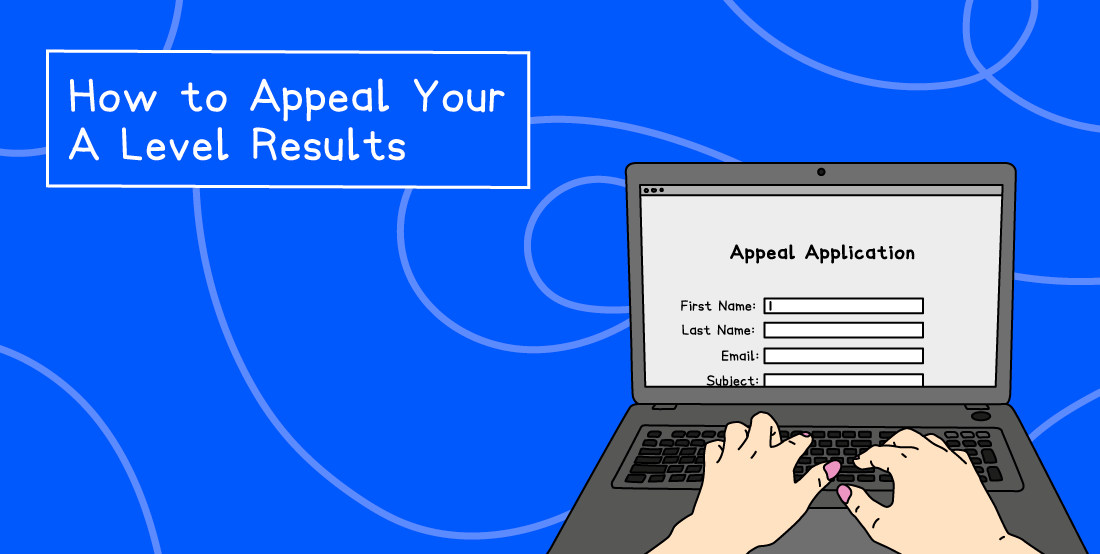
If a result seems unexpectedly low, ask your school about a remark. Grades can go up, down, or stay the same. For the full process, read our guide on how to appeal A Level results.
4. Consider Retakes or Alternative Routes
You can resit your A Levels in the next exam session. Other routes include:
Foundation years for university entry.
BTECs or vocational courses.
Apprenticeships that combine study and paid work.
Planning to resit? Head to Save My Exams' A Level revision resources for expert-created revision notes, past papers, and exam questions to help you bounce back stronger.
What If You Do Better Than Expected?
This is great news, and you may be able to trade up to a course with higher entry requirements.
There's one thing to know first: UCAS Adjustment no longer exists. UCAS removed it in autumn 2021 because so few students used it. The route now runs through Clearing.
If your grades beat your firm offer and you want to switch, you can self-release into Clearing using the "decline your place" button in your UCAS Hub.
Only do this once you've spoken to a university and have a confirmed alternative - self-releasing gives up your original place straight away.
How to Prepare Before Results Day
We've all been there, and we still remember the feeling. A little preparation cuts the stress and gets you ready for any outcome.
Here are a few pointers:
Check when and how your school will release results.
Make sure you can access your UCAS login and know your Personal ID.
Keep contact details for your chosen universities, teachers, and advisers.
Charge your phone and bring photo ID.
Get a good night's sleep and plan something relaxing for later.
For more on managing those inevitable wobbly moments, read our guide on how to deal with results day nerves.
A Level Results Day Checklist
Keep this list handy before and during the day:
UCAS login details
Mobile phone and charger
Clearing number and UCAS Personal ID
Contact details for universities and teachers
Photo ID
Pen and notebook
Copy of your predicted grades and offers
A bottle of water and snacks
A supportive friend or family member (if you think they'll help)
What Happens After Results Day
Your next steps depend on your plans.
Confirm your offer. If your place is secure, your UCAS status shows as unconditional.
Sort out finance and accommodation. Complete any outstanding forms and payments.
Get ready for university. Read welcome emails, join the group chats, and look over course materials.
Plan for alternatives. Retaking, taking a gap year, or changing direction? Make a timeline so you stay on track.
You'll find more support in (opens in a new tab)Save My Exams’ results day advice and university guides.
Frequently Asked Questions
What time are A Level results released in 2026?
Results are available from 8 a.m. UK time on Thursday 13 August 2026, but check with your school. UCAS Hub updates at the same time.
Can I get my A Level results online?
Yes. Many schools share results via secure portals or email. Confirm the method with your exams officer beforehand.
Do universities accept you if you miss your grades by one?
Sometimes. Universities often show flexibility, especially if you're close to the boundary. Check your UCAS Hub first before assuming the worst - the decision may already be there.
What should I do if I think my grades are wrong?
Speak to your school about a review of marking. You can request a remark, but your grade could go up, down, or stay the same.
Celebrate Your A Level Success
A Level Results Day can feel intense, but it marks the start of a new chapter. Whatever your grades, there are always routes forward and plenty of people ready to support you.
Take a moment to celebrate your hard work and resilience. Then, when you are ready, explore your options with confidence.
For expert support and resources, visit Save My Exams’ A Level revision resources and results day guides to help you stay prepared for what comes next. Good luck!
References
UCAS Hub (opens in a new tab)
UCAS What is Clearing (opens in a new tab)
Was this article helpful?
Sign up for articles sent directly to your inbox
Receive news, articles and guides directly from our team of experts.

Share this article




 written revision resources that improve your