Uses of Hexadecimal (Cambridge (CIE) IGCSE Computer Science): Revision Note
Exam code: 0478 & 0984

Uses of Hexadecimal
Why is hexadecimal used?
In Computer Science hexadecimal is often preferred when working with large values
It takes fewer digits to represent a given value in hexadecimal than in binary
1 hexadecimal digit corresponds 4 bits (one nibble) and can represent 16 unique values (0-F)
It is beneficial to use hexadecimal over binary because:
The more bits there are in a binary number, the harder it makes for a human to read
Numbers with more bits are more prone to errors when being copied
Examples of where hexadecimal can be seen:
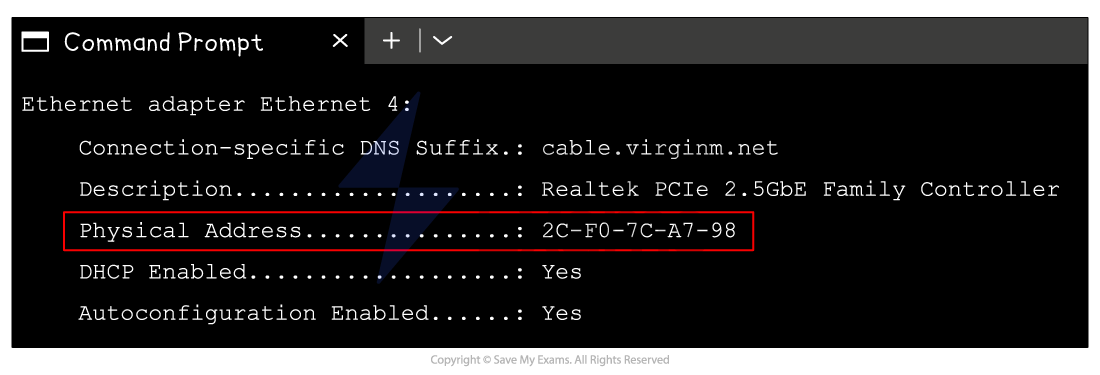
MAC addresses
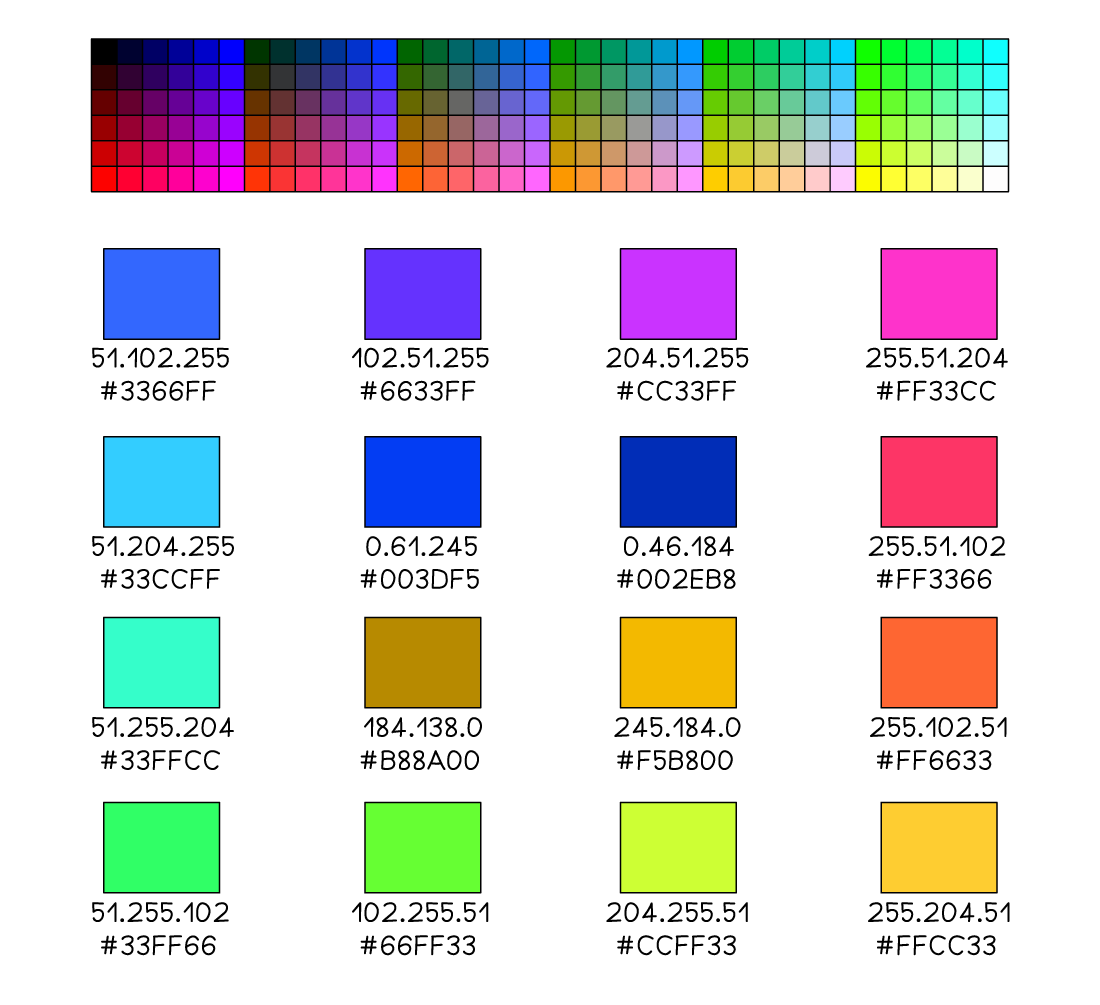
Colour codes
URLs
MAC addresses
MAC address are covered here in full
A typical MAC address consists of 12 hexadecimal digits, equivalent to 48 digits in in binary
AA:BB:CC:DD:EE:FF
10101010:10111011:11001100:11011101:11101110:11111111
Writing down or performing calculations with 48 binary digits makes it very easy to make a mistake
Colour codes
A typical hexadecimal colour code consists of 6 hexadecimal digits, equivalent to 24 digits in binary
#66FF33 (green)
01100110:11111111:00110011
URL's
A URL can only contain standard characters (a-z and A-Z), numbers (0-9) and some special symbols which is enough for basic web browsing
If a URL needs to include a character outside of this set, they are converted into a hexadecimal code
Hexadecimal codes included in a URL are prefixed with a % sign
Examiner Tips and Tricks
Hexadecimal does not save memory or storage space; the computer still stores the value in binary. The benefit is for humans: it is shorter than binary, so it is easier to read and there is less chance of an error when copying it.
Learn at least three uses with an example of each, such as MAC addresses, IPv6 addresses, HTML colour codes and error codes.

Unlock more, it's free!
Join the 100,000+ Students that ❤️ Save My Exams
the (exam) results speak for themselves:

Was this revision note helpful?
Build on this topic