Berkeley Free Speech & the Rise of the 'Hippies' (Edexcel IGCSE History: Paper 1: Depth Studies): Revision Note
Exam code: 4HI1

Summary
The Berkeley Free Speech Movement began in the autumn of 1964
It began when the University of California banned political protests on campus
Students ignored the ban
The Free Speech Movement (FSM) grew until it had nearly 14,000 students
This was around half of Berkeley's students
After a sit-in on 2 December 1964 led to 750 arrests, university staff voted strongly in favour of allowing protests
The FSM won its main aim, although the arrested students were convicted and fined
The leaders were sentenced to between one and four months in prison
Students for a Democratic Society (SDS) began as a small group in 1960 and grew to 100,000 members in 150 colleges
It dramatically increased after it opposed the Vietnam War in 1965
Hippies chose to drop out of society and created a counter-culture
Initially, many Americans disliked them
Their ideas of equality and tolerance eventually became more acceptable
Student protest won some success on student rights but never gained general support in the way that the civil rights movement did
The Berkeley Free Speech movement
The ban and the first protests
Some of the volunteers who took part in the Mississippi Freedom Summer were students at Berkeley, as well as being members of SDS
When they returned for the new semester in September 1964, they organised protests against racial discrimination on the university campus
The university administration responded by banning students from using university grounds to campaign or raise money for political causes off campus
Students defy the ban
The students ignored the ban and carried on protesting
The university began suspending students
The remaining students signed a petition
They filled the hall of the administration building, demanding that they too should be suspended
The university called the police
The police arrested one of the protestors, Jack Weinberg
Students blocked the police car for 32 hours
Students made speeches criticising the university
More police were brought in and threatened to arrest all the protestors
The students negotiated with the university's president and agreed to leave
The Free Speech Movement
The students created the Free Speech Movement (FSM)
They aimed to win the right to hold protests and speak about anything they wanted to on university grounds
Weinberg and Mario Savio were leading members of the movement
Savio compared the university to a machine
He said that when its operation became unbearable, students had to “put your bodies upon the gears and upon the wheels” and make it stop
Members of the FSM included those with conservative and moderate views as well as those with radical ideas
Methods of the FSM
The FSM:
produced thousands of leaflets
held many meetings and rallies to gain support
made badges and Christmas cards to fund the campaign
asked for donations
Impact of the FSM
At its peak, the FSM had nearly 14,000 members
This was around half of Berkeley's students
At the end of November, four of the students who had originally been suspended were charged with breaking university rules in leading the earlier protests
They had been told they would not be punished
In response, the FSM organised a rally and a sit-in in the administration building on 2 December 1964
This was supported by around 6,000 students
Police arrested the protestors
It took them 12 hours to make 750 arrests, as the students refused to leave
A few days later, university staff voted strongly in favour of there being no limits on the protests allowed on the campus
On the face of it, the FSM had won
Students were allowed to use university grounds for political protests and debates
However, there were very detailed rules about how, when and where protests could be carried out
The students who had been arrested were all convicted and fined
The leaders were sentenced to between one and four months in prison
Students for a Democratic Society and the 'Hippies'
The founding of SDS
One of the first protest organisations set up by students was Students for a Democratic Society (SDS)
Its first meeting was held in 1960 at the University of Michigan
After a meeting in 1962, it released the Port Huron Statement
This explained that it aimed to campaign against racial injustice, war and the violation of human rights
What SDS did
Its first focus was campaigning for better student rights within universities and colleges
It organised sit-ins and rallies
These aimed to give students more say in the policies and practices of the universities, such as the courses offered
It protested against the rules that allowed university officials to act like the students' parents
Officials could set strict rules, for example saying what time students had to return to their accommodation in the evening
Many members of SDS also took part in the civil rights sit-ins and freedom rides
The growth of SDS
SDS began as a small organisation, but it grew throughout the 1960s
By the end of the decade, 150 colleges or universities across the USA had SDS groups, with a total of 100,000 members
Membership increased dramatically after SDS publicly declared its opposition to the Vietnam War in April 1965
Examiner Tips and Tricks
Link SDS to the Berkeley protests and to Vietnam. It began with student rights, as the FSM did, but it grew most quickly once it became an anti-war organisation.
The 'hippies'
Some young people chose to reject society altogether by 'dropping out'
These people were known as hippies
They chose not to work or go to college
Many lived in communes in cities such as San Francisco
Others travelled around living out of buses or vans
Hippies tended to:
have long, un-styled hair
wear very colourful clothes and jewellery
hand flowers to people, including police and soldiers
This led to hippies being called 'flower children'
They created a counter-culture to traditional America
Their slogans included 'make love, not war' and 'if it feels good, do it'
They experimented with sex, drugs and various forms of art
Rock music was central to hippies' lives
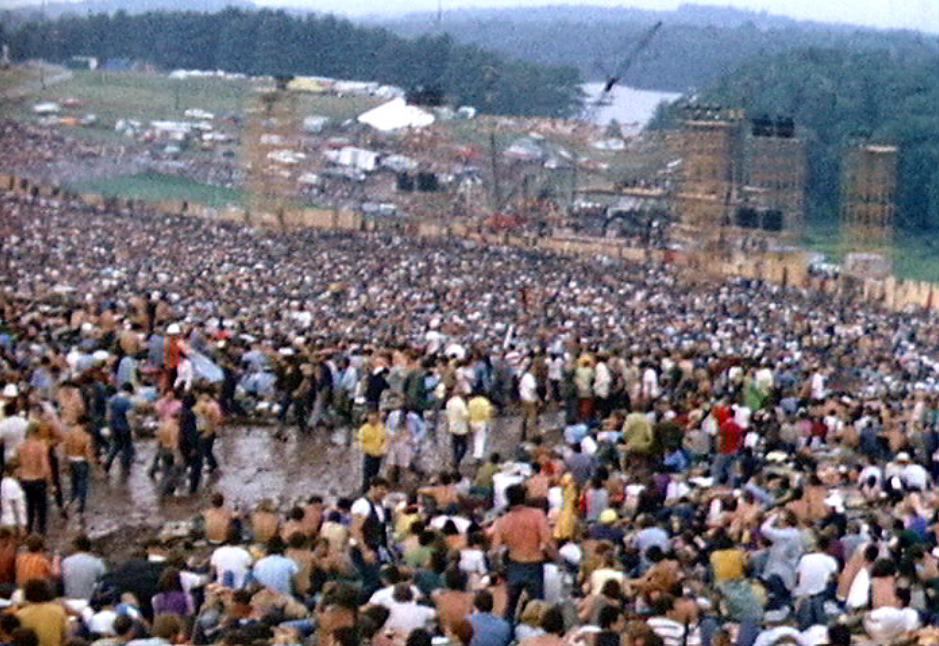
The peak of the hippy movement was the Woodstock music festival in August 1969, where up to half a million people gathered
Their emphasis on peace and love did not mean that hippies were passive
They were passionately involved in:
anti-Vietnam War protests
campaigning on environmental issues
The impact of the hippies
Many Americans were very shocked by the hippy movement
They viewed hippies as 'wasters'
They could not understand why their children wanted to behave in this way
Older generations considered them corrupting and harming their country
Hippies had little impact on government policies
However, hippies did have a lasting impact on society
Although few young people actually became hippies themselves, many adopted some aspects of the movement
Hippy ideas of equality, individuality and tolerance of everyone, no matter what their sexuality, race or gender, became more acceptable to wider US society
Examiner Tips and Tricks
In a question about the impact of the hippies, give one short-term effect and one long-term effect, and explain why they differ. For example, link the shock they caused in the 1960s to the wider acceptance of tolerance later.
How significant was the Berkeley Free Speech movement?
Evidence that it was significant
It won its main aim
University staff voted strongly in favour of there being no limits on the protests allowed on campus
Students were allowed to use university grounds for political protests and debates
It had great support amongst students
Nearly 14,000 students supported its campaign at its peak
It brought a lot of media attention
This made many Americans aware of the student movement
It forced the university to listen to their demands
It showed the wider student movement that organised protest could succeed on student rights
Student protests often achieved some of their aims with regard to students' rights at college
Evidence of limitations
There were very detailed rules about how, when and where protests could be carried out
The students who had been arrested were all convicted and fined
As the FSM became more confrontational, it lost the support of many moderate students
Many people were appalled at the students' behaviour
After a swear word was used on signs at a rally, the FSM was labelled the 'Filthy Speech Movement' by those who disapproved
Unlike the civil rights movement, the student movement never gained wider support in US society
Many older people regarded the protesting students as troublemakers who had nothing better to do
Few of the student movement's other aims were really met
There was a huge variety of issues they were protesting about
There were numerous differing views within the student movement
Conclusions
On its own aim, the FSM was significant
It won the right to hold political protests and debates on campus
On lasting support, it was much less significant
It lost moderate students as it became more confrontational
It never gained wider support in US society
Therefore, the FSM was significant for student rights and as an example to the wider student movement
Its significance was limited beyond the university
Worked Example
Explain two effects of the Berkeley Free Speech Movement on the student movement in the USA.
(8)
Partial answer:
One effect of the Berkeley Free Speech Movement was that students won the right to hold political protests on campus. A sit-in on 2 December 1964 led to 750 arrests, and a few days later university staff voted strongly in favour of there being no limits on the protests allowed. Students were therefore allowed to use university grounds for political protests and debates, which showed the wider student movement that organised protest could win on student rights.
Examiner Tips and Tricks
Ensure that you carefully select your own knowledge. The example above shows how the 2 December sit-in led to 750 arrests and to a vote by university staff for no limits on protests, which allowed students to use university grounds.

Unlock more, it's free!
Join the 100,000+ Students that ❤️ Save My Exams
the (exam) results speak for themselves:

Was this revision note helpful?