The Women's Liberation Movement (Edexcel IGCSE History: Paper 1: Depth Studies): Revision Note
Exam code: 4HI1

Summary
By 1960, most Americans still believed that a woman's primary role was to look after the home and raise children
Women were often paid less for doing the same job as a man
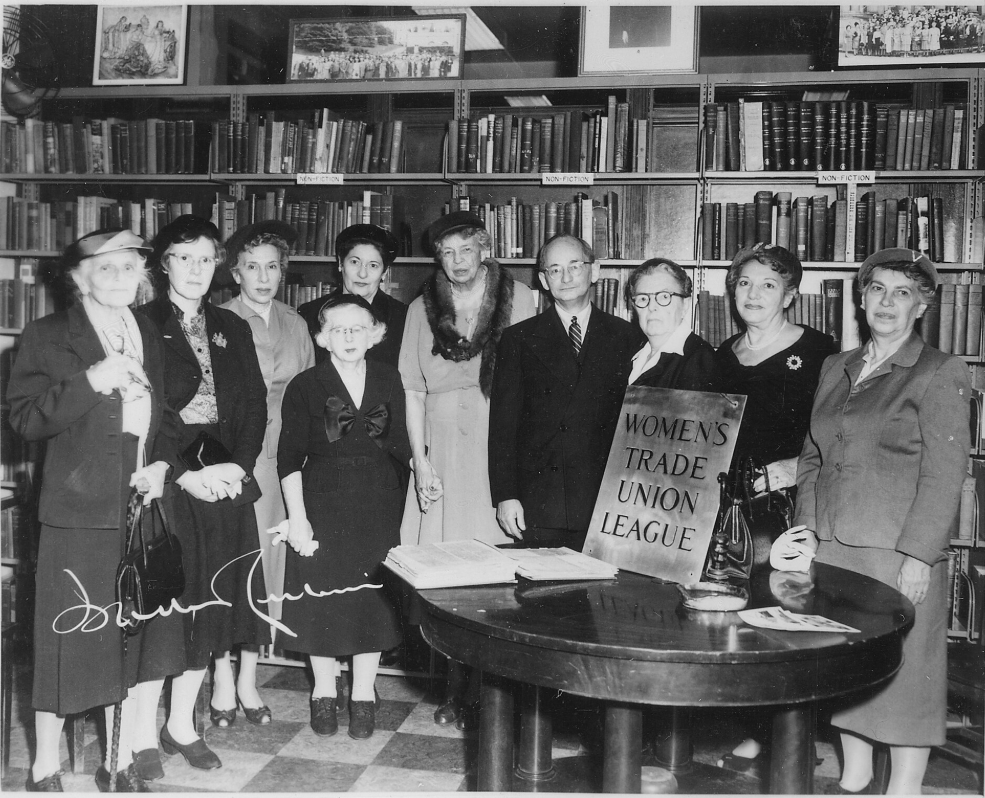
Eleanor Roosevelt campaigned for women's rights
The Commission on the Status of Women that she chaired exposed inequality at work and strengthened the case for laws such as the Equal Pay Act of 1963
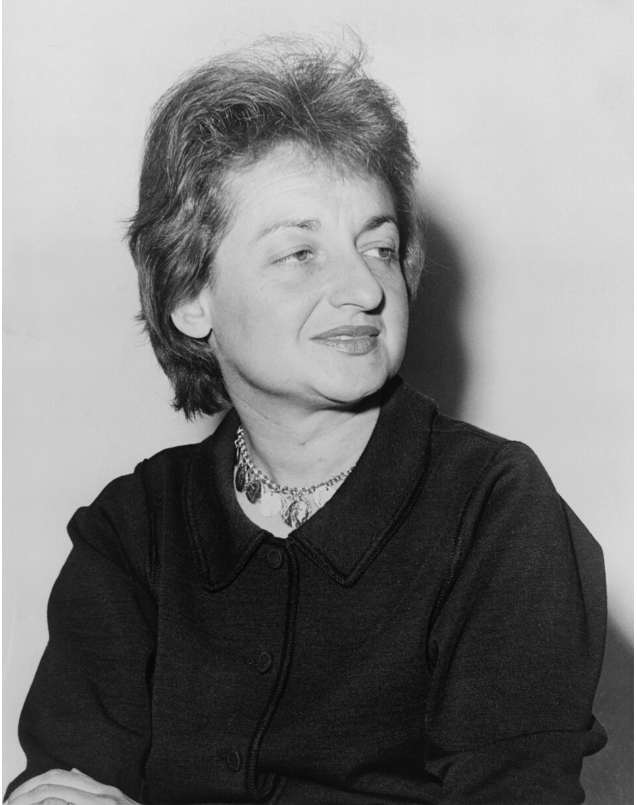
Betty Friedan's book, The Feminine Mystique (1963), is credited with starting the women's movement
In 1966, she helped to set up the National Organization for Women (NOW)
NOW was a moderate group that used marches, strikes, lobbying and legal action
The Women's Liberation Movement was more radical and wanted to change society completely
Abortion became a key issue
The Roe v. Wade decision of 1973 made abortion more available
The women's movement saw it as a huge victory
The movement changed the law and attitudes, but it did not achieve full equality for women
Examiner Tips and Tricks
Do not use the Women’s Liberation Movement as another name for the whole women’s movement.
The women’s movement includes moderate groups such as NOW and campaigners such as Eleanor Roosevelt, whereas the Women’s Liberation Movement was only the radical part of it.
Betty Friedan, Eleanor Roosevelt and NOW
The position of women in 1960
The two world wars had expanded female job opportunities and increased the number of women in the workforce
However, by 1960, most Americans still believed that a woman should look after the home and raise children
When women married, it was expected that they would give up their jobs and become housewives
Some companies even dismissed female employees once they got married
By 1960, many households had appliances such as washing machines
Affording these gadgets meant it became more necessary for households to have more than one wage earner
Household appliances saved considerable time
Women had more time for paid employment
The availability of the contraceptive pill from 1960 helped women to plan when to have a family
Women could focus on education and careers before having a family
However, access to the pill varied considerably across different states and for different women
It was not until 1965 that the Supreme Court ruled, in Griswold v. Connecticut, that all married women should be allowed to use birth control
In 1972, the Supreme Court extended the right to all women, whatever their marital status
Eleanor Roosevelt
What did Eleanor Roosevelt do to improve women's rights?
Eleanor Roosevelt was the wife of President Franklin D. Roosevelt
He was president from 1933 until his death in 1945
During his time in office, Eleanor Roosevelt:
held her own press conferences
She was the first First Lady to do her own press conferences
She allowed only women to attend, which meant that newspapers and radio stations had to employ female journalists
put pressure on her husband and later presidents to employ more women
made broadcasts on the radio and television
wrote many articles, including her own newspaper column, voicing her opinions on women's rights
The Presidential Commission on the Status of Women
Eleanor Roosevelt agreed to support John Kennedy if he agreed to establish a commission on the status of women
She was very influential in the Democratic Party
In December 1961, President John F. Kennedy created the Presidential Commission on the Status of Women
He appointed Eleanor Roosevelt as chair
However, she died before it reported its findings
This commission was created to report on women in the workplace
The report highlighted key inequalities including that women:
were paid less
often only worked part-time
were much less likely to have a professional career
had fewer rights in the workforce

Impacts of the Presidential Commission on the Status of Women
The Equal Pay Act was signed by President Kennedy in June 1963
This made it illegal to pay people different rates for doing the same job
It was followed by the Civil Rights Act of 1964
This made it illegal to discriminate against someone because of their gender
The Commission's report, American Women (October 1963), added weight to calls for equality at work
Betty Friedan
Betty Friedan was a journalist who gained attention after the publication of her book, The Feminine Mystique, in 1963
After interviewing a range of women, Friedan found that many well-educated and intelligent women were bored and unhappy with their role as housewives
She believed that women should:
have equal political, economic and social rights to men
not be considered as suitable for only low-paid jobs
The book became a bestseller and was very influential in changing thinking in America
The National Organization for Women (NOW)
The creation of NOW
In 1966 the National Organization for Women (NOW) was established by a group of 28 women, including Betty Friedan
At its first national conference in 1967, it created a Bill of Rights which stated:
Women were to have equal rights in US law
Women should have reproductive rights
Discrimination in employment towards women should end
There should be equality in pay
Women had the right to paid maternity leave
By the mid-1970s, NOW had approximately 40,000 members
Most of its members were middle-aged and middle-class women
NOW's tactics
NOW used a variety of tactics, such as:
protests
In February 1970, members of NOW disrupted the Senate during a debate
They displayed posters and boards calling for the Equal Rights Amendment to be discussed and passed
marches
strikes
On 26 August 1970, NOW organised the Women's Strike for Equality
Thousands of women across the USA went on strike to draw attention to unequal pay and discrimination in the workplace
The largest protest was in New York in which an estimated 50,000 people took part
petitions
lobbying politicians
taking legal action
Between 1966 and 1971, NOW helped in a series of disputes about unequal pay
It won $30 million in back pay for women
Reactions to NOW
NOW inspired many women to challenge the system, but it also had many critics
For some, it was too radical
This was particularly because of its support for the Equal Rights Amendment and abortion
For others, it was not radical enough
NOW's supporters were mostly middle or upper class and well educated
Some argued that it did little to improve the lives of poor women
The Women's Liberation Movement and abortion
What was the Women's Liberation Movement?
In 1967, the Women's Liberation Movement (WLM) emerged
The WLM was mainly made up of younger women
It was more radical than the National Organization for Women because it wanted to:
remove the patriarchy
free women from a male-dominated society
The WLM's tactics
The WLM tried to achieve its aims by:
criticising the content of traditional women’s magazines
protesting at the 1968 Miss America beauty pageant
They held boards and gave out leaflets
They threw products into a rubbish bin that they felt showed that society only valued women for their looks
They crowned a sheep Miss America
The protest attracted huge, mostly negative, media attention around the world, as well as within the USA
The negative publicity led many WLM groups to try a different approach
They set up small discussion groups to help women at a local level
Women explored their own experiences of things such as work, education, relationships and raising children
By 1974, these groups were also helping women to deal with issues such as rape and domestic violence
Examiner Tips and Tricks
Separate NOW from the Women's Liberation Movement when you answer. NOW was moderate and used marches, lobbying and legal action, whereas the WLM was radical and used protests that attracted negative publicity before it turned to discussion groups.
Abortion
Abortion rights were a heavily debated topic in the US
In 1960, abortion was illegal throughout the USA, unless the life of the mother was threatened by her pregnancy
Members of NOW and groups within the Women's Liberation Movement campaigned for abortion to be made legal
They argued that it is a woman's right to choose what happens to her body
As such, it is unfair to force any woman to have a child she does not want
They argued that women were having abortions anyway
Illegal abortions could be dangerous, as they were often performed by people without medical qualifications
At marches and rallies, some women spoke to the audiences about their reasons for, and experiences of, having illegal abortions
Before 1973, each state made its own decision on abortion rights
Some states changed their abortion laws to allow an abortion in some circumstances, such as rape
In 1970, New York State changed the law to allow abortion on demand until the 24th week of pregnancy
Three other states, Hawaii, Alaska and Washington passed similar laws
Roe v. Wade, 1973
In 1973, in a case known as Roe v. Wade, the Supreme Court ruled in favour of "Jane Roe"
The ruling in Roe v. Wade:
overturned most state laws banning abortion
stated that women had the constitutional right to a legal abortion
introduced some restrictions to abortions, such as states restricting abortion later in pregnancy, except to protect the woman’s life or health
The women's movement saw Roe v. Wade as a huge victory
The issue of abortion divided the women's movement more than any other and brought much opposition
How successful was the women's movement?
Evidence of success
It helped to bring about changes in the law
The Roe v. Wade decision of 1973 made abortion more available across the USA
The Educational Amendments Act of 1972 (Title IX) made sex discrimination illegal in education programmes that receive federal funding
It also stopped schools and colleges from excluding girls and women from courses or sports because of their sex
The Equal Credit Opportunity Act of 1974 made it illegal to refuse credit on the basis of gender
More women could borrow money to buy things like a house, pay for education or start a business
By 1974, more women went out to work and in a wider range of jobs than before
The percentage of workers who were women rose from 28% in 1950 to 38% in 1970
The women's movement caused more women than ever before to become politically engaged
This was either in support of or opposition to the movement
Gradually it became more acceptable for a woman to have a career as well as, or even instead of, a family
Evidence of limitations
The huge range of opinion within the women's movement meant that not everything it wanted would be achieved
More moderate feminists argued that the WLM damaged the movement by taking away the focus from discrimination at work and equal pay
Many women were unable to progress in their careers
In 1950, women were still only 14% of managerial workers
This had risen to only 17% by 1970
Many women were still paid less than men for the same work
The increase in women working may have been because most households needed two incomes, and not a result of the feminist movement
Many of NOW's aims in its Bill of Rights, such as the Equal Rights Amendment, had not been achieved
Conclusions
On the law, the women's movement was successful
Some notable examples are Roe v. Wade and the 1972 and 1974 Acts
On daily life and work, it was less successful
Few women reached management roles
Equal pay was not a reality to most women
On attitudes, it was successful
It changed how women and men felt about gender roles
It made it more acceptable for a woman to have a career
Worked Example
Study Extract G.
Extract G: From a history of women's rights in the USA.
"Before the 1960s, women had limited legal rights, couldn't make contracts without their husband's approval, and faced discrimination in jobs. Laws like the Equal Pay Act of 1963 and Title IX of 1972 helped women gain more rights and opportunities, but challenges like the wage gap and discrimination remained."
What impression does the author give about the progress made by women's rights in the USA?
You must use Extract G to explain your answer.
(6)
Partial answer:
The author gives the impression that women's rights improved because of new laws, but that equality had still not been achieved. Describing women as having "limited legal rights" before the 1960s suggests that they were treated unfairly under the law. The author then credits laws such as the Equal Pay Act and Title IX with giving women more rights and opportunities, which makes the change sound positive. However, the author adds that "the wage gap and discrimination remained", which suggests that the laws only partly solved the problem and that progress was not complete.
Examiner Tips and Tricks
To continue this answer, use your own knowledge to identify what the author leaves out. You could mention that the author does not mention the campaigns that pushed for these laws, such as NOW’s work to put pressure on the authorities to enforce equality. It also only focuses on legal progress for women, rather than progress in the workplace or in society.

Unlock more, it's free!
Join the 100,000+ Students that ❤️ Save My Exams
the (exam) results speak for themselves:

Was this revision note helpful?