The FBI, HUAC & the Hollywood Ten (Edexcel IGCSE History: Paper 1: Depth Studies): Revision Note
Exam code: 4HI1

Summary
The FBI, led by J. Edgar Hoover, investigated suspected Communists
It collected files on people it suspected of spying for the Soviet Union
Federal Loyalty Boards investigated about three million government workers between 1947 and 1951
Up to 3,000 people lost their jobs
No evidence of actual spying was found
HUAC was an abbreviation of the House Un-American Activities Committee
It held public hearings in which it questioned suspected Communists
The FBI secretly passed it intelligence
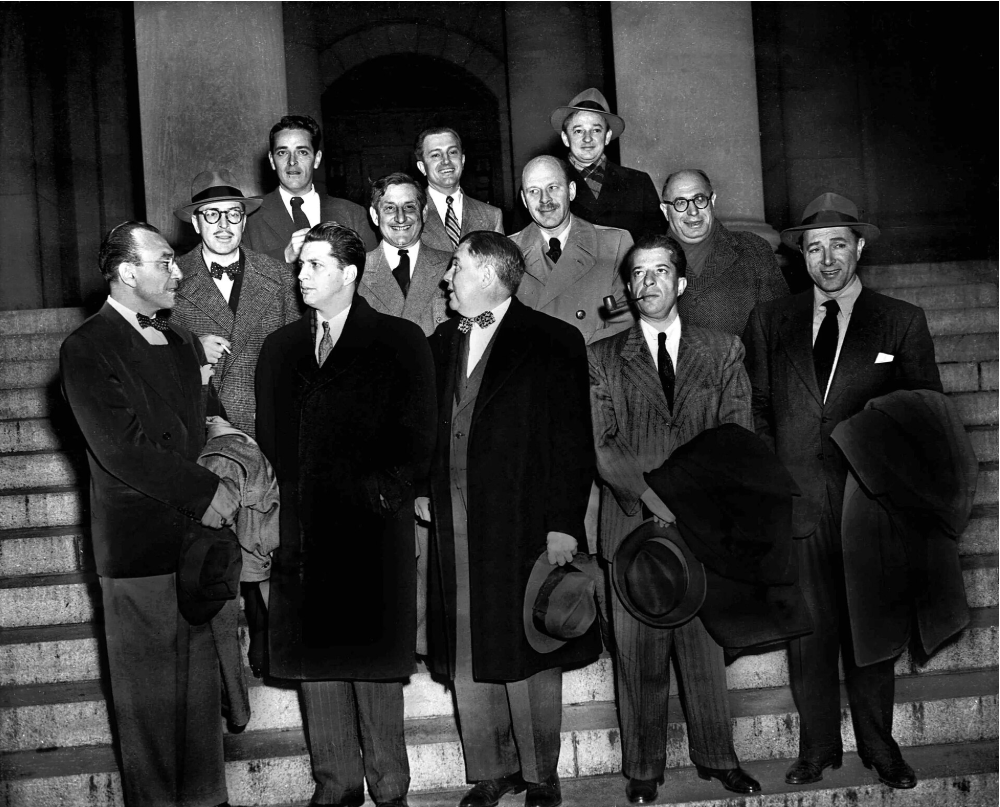
In 1947, ten people from the film industry, the Hollywood Ten, refused to answer HUAC's questions
They went to prison and were blacklisted from Hollywood
By 1950, Americans faced some real espionage
However, the government's response was far bigger than the threat
The Red Scare continued to grow
The role of the FBI
What was the FBI and who led it in the Cold War?
The Federal Bureau of Investigation (FBI) is the USA's domestic intelligence and security service
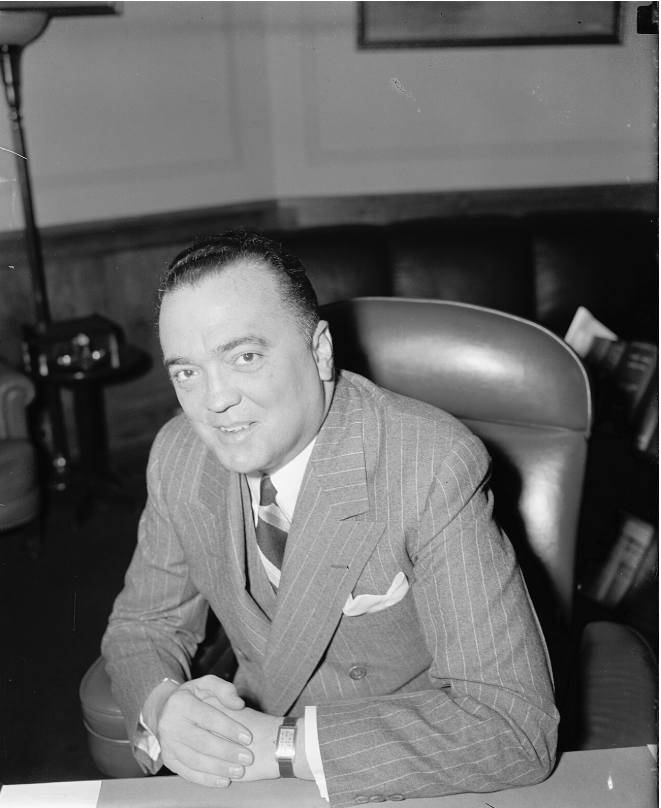
The director of the FBI was J. Edgar Hoover
He had very strong anti-Communist views
Hoover had played a major role in arresting suspected Communists during the first Red Scare of 1919–20
As the Cold War began, the FBI started creating files of evidence on people it suspected of spying for the Soviet Union
The Federal Loyalty Boards
Hoover was worried about Communist spies working in government departments
He wrote to President Truman to tell him this was a serious problem
In March 1947, Truman gave an order that allowed government employees to be removed from their jobs if there were reasonable grounds to believe they were disloyal to the United States
Federal Loyalty Boards were then set up to investigate government employees
Their task was to find out whether employees were Communists or had links to communism
The FBI carried out much of the investigation behind the scenes
Between 1947 and 1951, around three million government workers were investigated
Up to 3,000 people were fired or forced to resign because they were considered a security risk
No evidence of actual spying was found
The spread of investigations
As fear of communism grew, many states, cities and even private businesses investigated their workforces
Thousands of employees lost their jobs
Some of them were only suspected of being sympathetic to Communists
Ordinary workers therefore had a reason to be careful about what they said and who they knew
Examiner Tips and Tricks
Students often mix up the FBI and HUAC.
The FBI is a general law-enforcement and intelligence agency. It investigated many kinds of crime and threat, including suspected Communists. It worked mainly behind the scenes by collecting files and carrying out background checks.
HUAC, a committee of Congress, focused on communism from 1947 and held public hearings to question suspected Communists. It could send people for criminal trial but could not punish them itself.
The House Un-American Activities Committee (HUAC)
What was HUAC?
The House on Un-American Activities Committee (HUAC) was set up by the US government in 1938 to monitor extremist groups suspected of "Un-American activities"
Its members were members of Congress who had been selected to sit on the committee
In 1947, in the context of the Cold War, HUAC began public hearings on the threat posed by the Communist Party of the USA
How HUAC worked with the FBI
Hoover was the most important witness in 1947
He saw HUAC's potential for educating the public and exposing traitors
In his testimony of 26 March 1947, Hoover argued that the real danger from the Communist Party was not its size but its ability to infiltrate American life
He claimed that for every party member, there were ten others ready to help
After this, the FBI began secretly passing intelligence to HUAC
HUAC then called suspected Communists and witnesses to be questioned
The questions HUAC asked
"Are you now or have you ever been a member of the Communist Party?"
The question HUAC asked witnesses at its hearings
Depending on the answers they received to the question above, HUAC sent people for criminal trial
HUAC could not send anyone to prison itself
However, the publicity of a hearing could damage a person's reputation whatever the result
The Hollywood Ten
Why did HUAC investigate Hollywood?
Millions of people went to the cinema in this period
There was a concern that Communists would try to use the film industry to spread propaganda
The 1947 hearings
In October 1947, HUAC held public hearings into alleged Communist influence in Hollywood, calling dozens of writers, producers, directors and actors to testify
HUAC named 19 people as suspected Communists
Ten of them refused to answer any questions
These ten pleaded the First Amendment
They argued that HUAC had no right to question their beliefs
HUAC argued that refusing to answer was contempt
This means disrespect for the authority of Congress
The ten were jailed for contempt, for between six months and a year
They were also blacklisted
This means that they were marked as unacceptable
Film studios would not employ them
What happened to the Ten?
Most of the Ten struggled to work in Hollywood again
Dalton Trumbo, one of the Ten, kept writing in secret under false names
He won Oscars, which he could not collect in his own name
When the film Spartacus was released in 1960, Trumbo was openly named as its writer
This helped to break the blacklist
The impact on Hollywood and the USA
The investigation of Hollywood gave huge publicity to HUAC's work
It increased anti-Communist hysteria
It also affected the films themselves
Film makers increased their production of anti-Communist films, such as The Red Menace in 1949
The effects went beyond the Ten
The comic film actor Charlie Chaplin was investigated by the FBI
He had never applied for US citizenship
Officials thought they saw Communist propaganda in his films
When he visited Europe in 1952, he was not allowed back into the USA
Chaplin spent the rest of his life in Switzerland
Many people in Hollywood defended the Hollywood Ten
However, most Americans seemed to believe that their country was in the grip of a Communist conspiracy
How safe was postwar America by 1950?
Evidence that America faced a real threat
In 1950, Congress passed the McCarran Internal Security Act, which forced all Communist organisations to register with the government
The Act also banned Communists from:
US passports
Certain jobs
In an emergency, it allowed anyone suspected of subversion to be put in a detention camp without trial
President Truman tried to stop the Act, but few people in Congress agreed with him
This shows how strong the fear of communism had become by 1950
The government found real Soviet spies
Klaus Fuchs and the Rosenbergs passed atomic secrets to the Soviet Union
Alger Hiss was convicted of lying under oath about passing government documents to a Soviet agent
Evidence that the fear was exaggerated
The Federal Loyalty Boards investigated about three million people and found no evidence of actual spying
The Hollywood Ten went to prison for refusing to answer questions, not for spying
Thousands of people lost their jobs because they were only suspected of being sympathetic to Communists
Judgement
The best way to judge is to compare the size of the threat with the size of the response
The threat was real but small, as the arrests of a few spies who passed atomic secrets show
The response was very large, as shown by three million investigations, thousands of lost jobs and a law allowing detention without trial
Therefore, the US was somewhat less safe than it had been before 1945
However, the US was safer than the fear in the country suggested
Worked Example
'The main effect of the work of the FBI and HUAC was to damage the lives of innocent Americans.'
How far do you agree? Explain your answer.
You may use the following in your answer:
the Federal Loyalty Boards
the Hollywood Ten.
You must also use information of your own
(16)
Partial answer:
I largely agree that the main effect of the FBI and HUAC was to damage innocent lives. Although their work did uncover some real wrongdoing, their investigations harmed thousands of people. At the time, the cases seemed justified due to the threat of communism in the USA. However, in the long term, very few of them were necessary as no evidence was found of spying.
Examiner Tips and Tricks
The statement says damage to innocent lives was the main effect, so weigh it against the other effects of the FBI and HUAC, such as uncovering real spying, and reach a judgement. Only use evidence about the work of the FBI and HUAC, because McCarthy’s methods belong to a different question.
If you state a clear view, as this answer does, carry that line of judgement through your answer, and explain the criterion you used, for example how many lives were damaged compared with how many real spies were found. Examiners reward judgements based on explained criteria. This does not mean that you ignore the cases that did uncover real wrongdoing, such as Hiss and the Rosenbergs, but continue to argue why they were less significant than the harm to ordinary Americans.

Unlock more, it's free!
Join the 100,000+ Students that ❤️ Save My Exams
the (exam) results speak for themselves:

Was this revision note helpful?