The Mississippi Freedom Summer, 1964 (Edexcel IGCSE History: Paper 1: Depth Studies): Revision Note
Exam code: 4HI1

Summary
In 1964, civil rights groups ran the Freedom Summer in Mississippi
Fewer than 7% of Black Americans were registered to vote in Mississippi
The campaign set up:
The Mississippi Freedom Democratic Party (the MFDP)
30 Freedom Schools
It brought in about 1,000 mostly White student volunteers
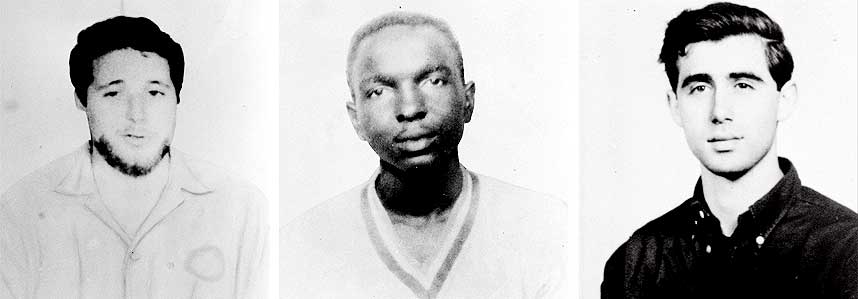
Three campaigners, Michael Schwerner, Andrew Goodman and James Chaney, were murdered
This brought huge publicity but also caused divisions within the campaign
Only about 1,600 more Black Americans registered
As a result, many people see the campaign as a failure
The Civil Rights Act of 1964 was passed with help from protest
Protest was only one of several factors in why legislation was passed
Causes and events of the Mississippi Freedom Summer
Why was Mississippi selected?
Since 1961, civil rights groups had campaigned to improve the number of Black Americans registered to vote throughout the South
A presidential election was due in November 1964
The NAACP, CORE and the SNCC stepped up the campaign with Freedom Summer during the summer months of that year
The campaign focused on Mississippi
The New York Times newspaper reported in 1964 that only 7% of Mississippi’s Black population were registered to vote
In order to register to vote in Mississippi, Black Americans had to pass an extremely difficult literacy test
The few who passed were then often beaten or threatened with violence to prevent them from registering
Examiner Tips and Tricks
At this stage of the course, you may be overwhelmed by the amount of abbreviations and civil rights groups. You could create flashcards, testing your knowledge of what each abbreviation stands for. You could also make a revision poster of each civil rights group, their aims and their tactics.
What was achieved in the Freedom Summer?
The campaign involved setting up a new political party, the Mississippi Freedom Democratic Party (the MFDP)
It had more than 80,000 members
The campaign created 30 Freedom Schools to teach the Black people of Mississippi how to pass the literacy tests
Many of the volunteers at the Freedom Schools were White college students
They received training on how to cope with harassment, abuse and arrest
The volunteers were chosen because:
they could afford to support themselves
the SNCC knew that any violence against young White people would generate big headlines
The Freedom Summer murders
In response to the Freedom Summer, more than 30 Black Mississippi churches were firebombed
The Freedom Schools and volunteers were also attacked
On 21 June 1964, three volunteers named James Chaney, Michael Schwerner and Andrew Goodman were arrested for traffic offences by a police officer who belonged to the KKK
Although they were released hours later, they were never seen alive again
After six weeks of searching, the bodies of the three men were eventually discovered
The police officer had organised their murders with his fellow Klan members
The investigation led to 18 people being arrested; seven were found guilty of conspiracy
The longest sentence served by the killers was six years
The murders caused division within the campaign
Some Black members suspected that the publicity was so huge because Schwerner and Goodman were White
Some Black activists began to look for more radical solutions
Success or failure?
Many people see the Freedom Summer as a failure
Of the 17,000 Black Americans of Mississippi who applied to register to vote, only 1,600 were successful
Most failed to register even though the teaching they had received enabled them to pass the literacy tests
Many Black Americans were frightened into not registering, because they were:
threatened with violence
physically attacked or had their property attacked
threatened with dismissal from work
However, the 30 Freedom Schools improved literacy rates, and the MFDP gave Black Mississippians a political voice
The publicity generated by the murders also increased support for civil rights
It brought the problems of voter registration to national attention
The impact of protest on civil rights legislation of the 1960s
The Civil Rights Act of 1964
On 2 July 1964, President Lyndon B. Johnson signed the Civil Rights Act on live television
Johnson was able to push the Civil Rights Bill through the Senate and the House of Representatives despite opposition because he:
was an experienced politician
gained support from Congress as he was a Southerner, from Texas
used the memory of the assassinated President John F. Kennedy who introduced the bill
Terms of the Act
Segregation and discrimination in public places, education and businesses were banned
Voter registration tests had to be fair and the same for Black and White Americans
Discrimination in employment was banned
The Equal Employment Opportunity Commission (EEOC) was established to investigate discrimination in employment
The federal government could remove funding from state projects that discriminated
Impact of the Act
The passing of the Act was very significant and a huge achievement
It ended legal segregation
However, the Act did not mean the end of discrimination
It was very difficult to enforce the laws, especially in the Deep South
Many Southerners were angered by the extent of the Act
Many Black Americans felt that it did not go far enough
Later legislation
Protest at Selma led directly to the Voting Rights Act (1965)
The Civil Rights Act (1968) banned discrimination in housing
What factors helped pass the Civil Rights Act of 1964?
Non-violent protest
The protests of the civil rights movement were essential
They were well organised, highly visible and often attracted large numbers
They were non-violent: protestors did not attack people or property, even when they broke segregation laws
They were targeted in areas that were likely to get an extreme reaction
The effect was increased publicity and therefore further support for civil rights
All of this put pressure on the federal government to act
Violent protest
The emergence of more radical activists put pressure on the government
Some activists warned that the protest would become violent if the legislation was not passed
Attitudes of presidents
Both Kennedy and Johnson wanted to improve civil rights
The political skill and hard work of President Johnson was key in getting legislation passed
He persuaded more members of Congress to vote for the Act
Examiner Tips and Tricks
In a 16-mark question about why civil rights laws were passed, protest is only one of several factors. Name it alongside presidents, Johnson's skill, Congress and radical pressure, and then say which mattered most.
How significant was the Mississippi Freedom Summer for civil rights legislation?
Evidence that it was significant
The events of the Freedom Summer highlighted the many issues that prevented Black Americans from voting
It showed that the law needed to change
The murders attracted huge publicity and support for civil rights
It brought the problems of voter registration to national attention
The campaign showed that even Black Americans who had been taught to pass the literacy tests were being stopped by violence and threats
This showed that stronger federal protection was needed
Evidence of its limitations
The Freedom Summer could not have been a main reason for the Civil Rights Act of 1964
Johnson signed the Act on 2 July, only a few weeks after the summer had begun and before the bodies of the three men were found
Only about 1,600 more Black Americans were registered to vote, so the campaign did not itself solve the problem
The voting sections of the 1964 Act were weak
As a result, the problem of voting was left unresolved
Voting rights only changed after the events in Selma and Johnson's decision to act in 1965
Presidential attitudes and the attitudes of Congress were all other factors in the passing of legislation
Conclusions
To judge the significance of the Freedom Summer, you should consider whether:
the Freedom Summer directly caused a law to be passed
it helped to create the conditions in which a law could be passed
For direct cause, the Freedom Summer's significance was small
The 1964 Act was passed before its results were known
The 1965 Act had Selma as its trigger
For creating the conditions, its significance was greater
It exposed the barriers to voting and the violence used to protect them
Worked Example
'The Mississippi Freedom Summer (1964) was a failure.'
How far do you agree? Explain your answer.
You may use the following in your answer:
voter registration
the Civil Rights Act of 1964.
You must also use information of your own.
(16)
Partial answer:
Some historians argue that the campaign failed in its main aim. It focused on Mississippi because fewer than 7% of Black Americans in Mississippi were registered. Even though the Freedom Schools taught people to pass the literacy test, many were frightened into not registering because they were threatened with violence, attacked or threatened with dismissal from work. As a result, only 1,600 of the 17,000 Black Americans who attempted to register were successful. Whilst this shows that the immediate impact of the Freedom Summer was a failure, it highlighted the unfairness of the voting system. It showed that the law needed to change to ensure more Black people could register to vote.
Examiner Tips and Tricks
Great 16-mark answers try to have balance in their argument. Whilst you may agree that the Freedom Summer was a failure, you must also examine how it had some successes. You could include the Freedom Schools, which improved literacy rates, and the publicity from the Freedom Summer murders, which brought the problems of voter registration to national attention.

Unlock more, it's free!
Join the 100,000+ Students that ❤️ Save My Exams
the (exam) results speak for themselves:

Was this revision note helpful?