Institutions of the Constitution (Edexcel GCSE Citizenship Studies): Revision Note
Exam code: 1CS0
The power of government, Prime Minister and cabinet
The UK government has significant power to make decisions and introduce laws
However, this power is not unlimited and is checked by other institutions
Parliament may need to agree to government proposals
MPs can debate, amend, or reject laws
The courts can intervene if the government acts unlawfully
The UK Supreme Court can rule that government actions or laws are unlawful
The public and the media can challenge the government
Protests, petitions, and media scrutiny can pressure the government to change course
Case Study
The prorogation of Parliament in 2019
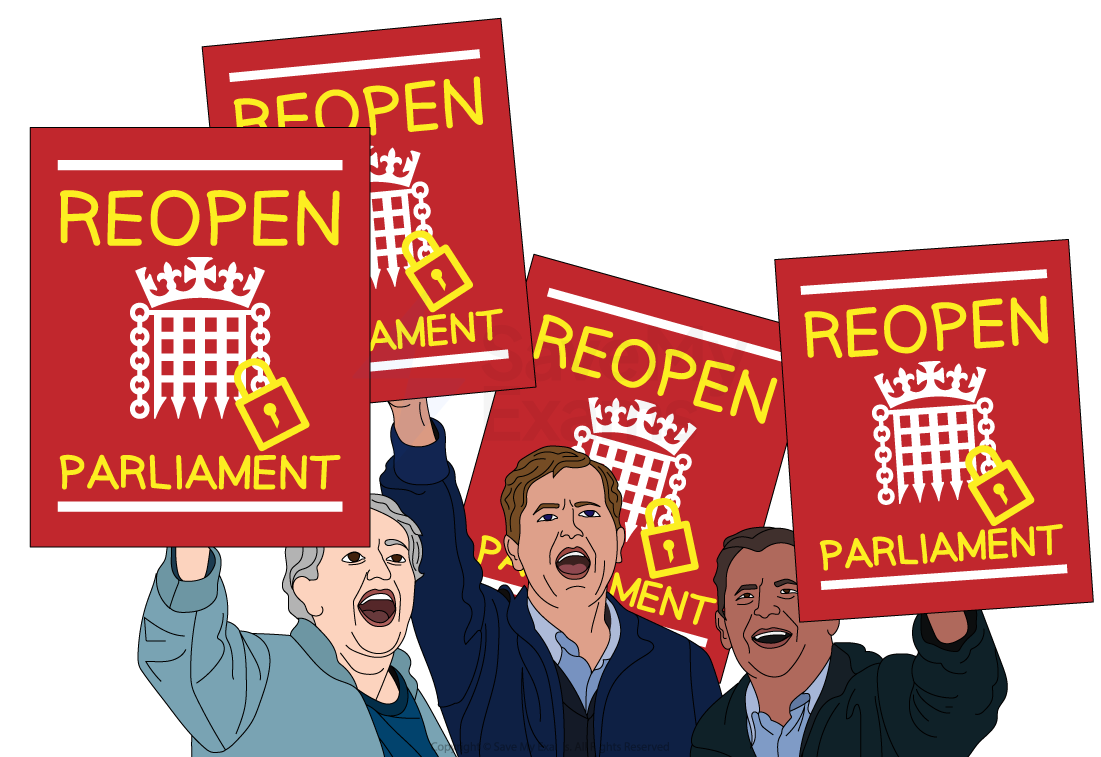
In 2019, Prime Minister Boris Johnson advised the Queen to prorogue Parliament for five weeks
The Supreme Court ruled that the prorogation was unlawful, and Parliament was reopened
This showed that government power is limited by the rule of law
Examiner Tips and Tricks
To score well on questions about government power, use a clear structure: power, check, example
Explain what the government tried to do, who limited it, and how
Using a named case like the 2019 prorogation shows you understand how power is checked in practice, not just in theory.
Prime Ministerial and Cabinet power
The Prime Minister is the head of the government, but the monarch is the Head of State
The Prime Minister is appointed by the Monarch
This usually happens after a general election or if a Prime Minister resigns
Traditionally, the Prime Minister has been described as first amongst equals
This means the Prime Minister is the most senior member of the Cabinet but is expected to work collectively with other ministers
Decisions are meant to be discussed and agreed through Cabinet government
The Cabinet is made up of the most senior government ministers
Cabinet members are appointed, promoted or dismissed by the Prime Minister
The Prime Minister is often described as first amongst equals
This means they lead the Cabinet but are still part of a team
Collective responsibility means all Cabinet members must publicly support government decisions
If a minister disagrees, they are expected to resign
This principle helps ensure unity and stability in government
The Prime Minister is accountable to Parliament
They must answer questions and justify government actions
The Prime Minister is also accountable to their political party
Party members can remove a leader through a leadership challenge
Examples include Margaret Thatcher (1990) and Boris Johnson (2023)
Presidential government
In recent years, it has been argued that the UK is moving towards presidential government
This term suggests the Prime Minister has become too powerful, similar to the President of the United States
Prime Ministers now have greater control over:
Media appearances
Policy announcements
Cabinet appointments and dismissals
Sofa government
Sofa government refers to decision-making that happens informally
Instead of full Cabinet discussions, decisions are made through private conversations with a small group of advisers or ministers
This style of leadership has been criticised because:
It reduces transparency
It weakens collective responsibility
Other Cabinet ministers may feel excluded or undermined
Limits on Prime Ministerial power
Although the Prime Minister appoints the Cabinet, they do not have unlimited power
Cabinet ministers can:
Leak disagreements to the media to weaken the Prime Minister’s authority
Threaten to resign, which can damage public confidence
If enough senior ministers resign, the Prime Minister may be forced to step down
Case Study
Boris Johnson
Leadership style
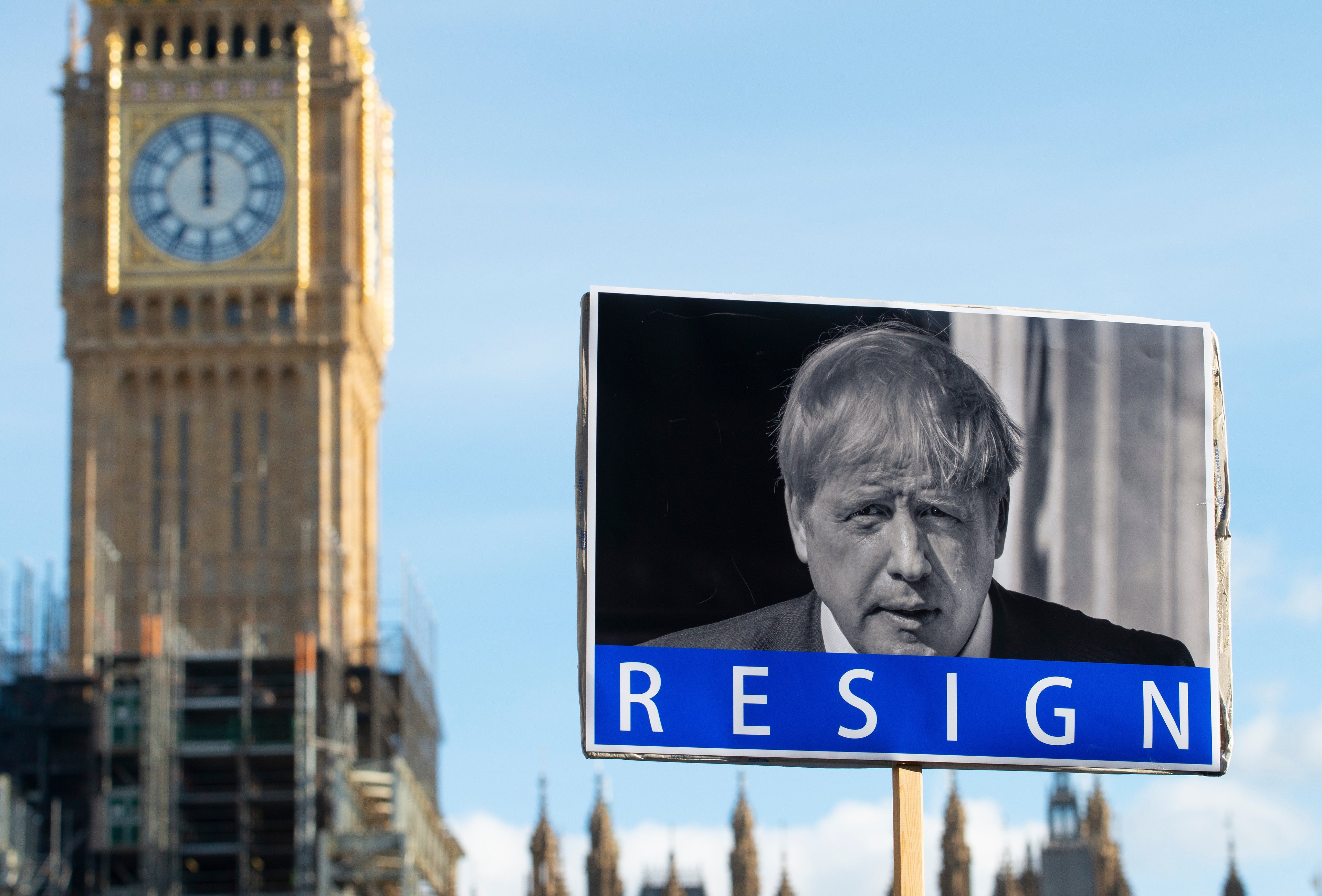
Boris Johnson, Prime Minister from 2019 to 2022, was often described as using a presidential style of leadership
Critics argued he relied heavily on advisers and informal decision-making
In 2022, Johnson faced growing criticism over:
Leadership style
Trust and standards in public office
The outcome
A wave of ministerial resignations followed
Over 60 government ministers resigned, including senior Cabinet members such as the Chancellor of the Exchequer and the Health Secretary
These resignations made it clear that Johnson had lost the confidence of his Cabinet
As a result, Boris Johnson was forced to resign as Prime Minister
Parliamentary sovereignty
Parliamentary sovereignty means that Parliament is the highest legal authority in the UK
Parliament can make or change any law
The government proposes laws, but Parliament decides whether they become law
Even governments with large majorities can face resistance
In 2025, Labour plans to cut welfare spending were withdrawn after 108 Labour MPs opposed them
This shows that Parliament can limit government power, even when the government is strong
The roles of the legislature, opposition, political parties and monarch
Legislature
The legislature refers to the bodies that make laws
In the UK, this is Parliament, made up of the House of Commons and House of Lords
Key roles of the legislature
Lawmaking | Holding government to account | Platform for debate |
|---|---|---|
|
|
|
The opposition
The Shadow Cabinet offers alternative ministers and policy ideas to those of the government
They can also use the media to campaign, set the public agenda and critique the government
PMQs and Ministers' Question Time allows the opposition to put ministers on record and highlight their failures
Select committees and opposition day debates can necessitate a government response, even if it is not binding
They develop their own policy alternatives through manifestos and consultation papers
They can use of parliamentary procedures such as urgent questions to scrutinise the government
The influence of the opposition
The opposition is vital for democratic accountability
It concentrates scrutiny and provides policy alternatives
However, its effectiveness depends on resources, unity and media access
A strong opposition can shape policy debates but their influence can be limited by large government majorities
The monarch
The UK is a constitutional monarchy with the King as the Head of State
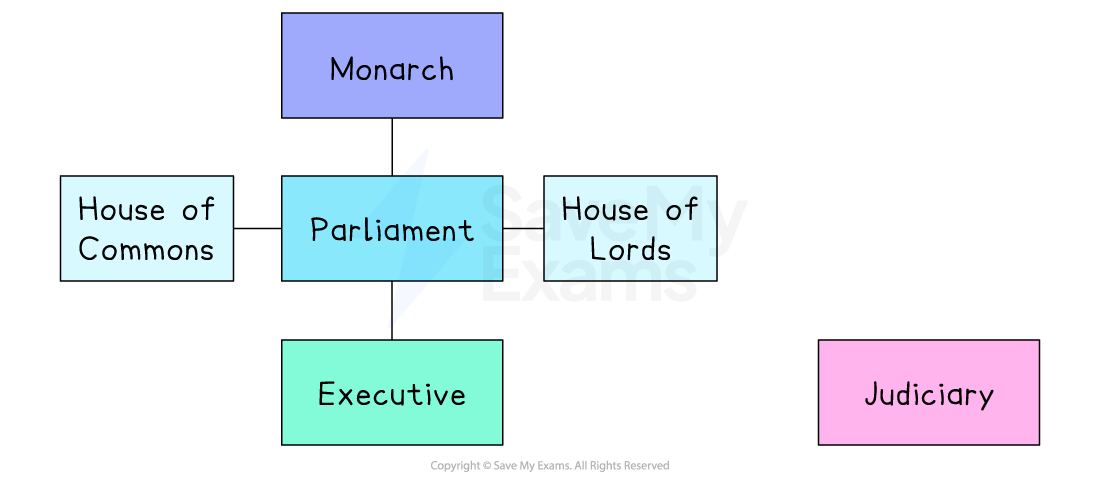
Laws are made by Parliament in the monarch’s name, and the monarch carries out key constitutional roles
Example include opening Parliament, appointing the Prime Minister and giving Royal Assent to laws
The Monarch is considered to be neutral and carries out their role on the advice of the government, ensuring democracy is respected
Other roles of the monarch
He agrees to the calling of a general election
He delivers the King's Speech to Parliament
He is also Head of State of 15 other Commonwealth countries
He agrees to the appointment of members of the House of Lords
He awards honours to citizens on the advice of the government
Citizens, the judiciary, police and civil service
Citizen roles
Citizens are the foundation of the nation state
A nation state exists because citizens belong to it and recognise its authority
In a democracy, citizens have the power to hold elected representatives to account
This is mainly done through the electoral process, such as voting in elections
Referendums give citizens a direct say in major political decisions
Every citizen’s vote carries equal weight, regardless of background
They play an important part in the justice system
They can serve as jurors, witnesses or magistrates
Citizens help maintain the social fabric of society
This includes involvement in community groups and volunteering
Voter apathy is a concern for politicians
Some citizens choose not to vote or take part in politics
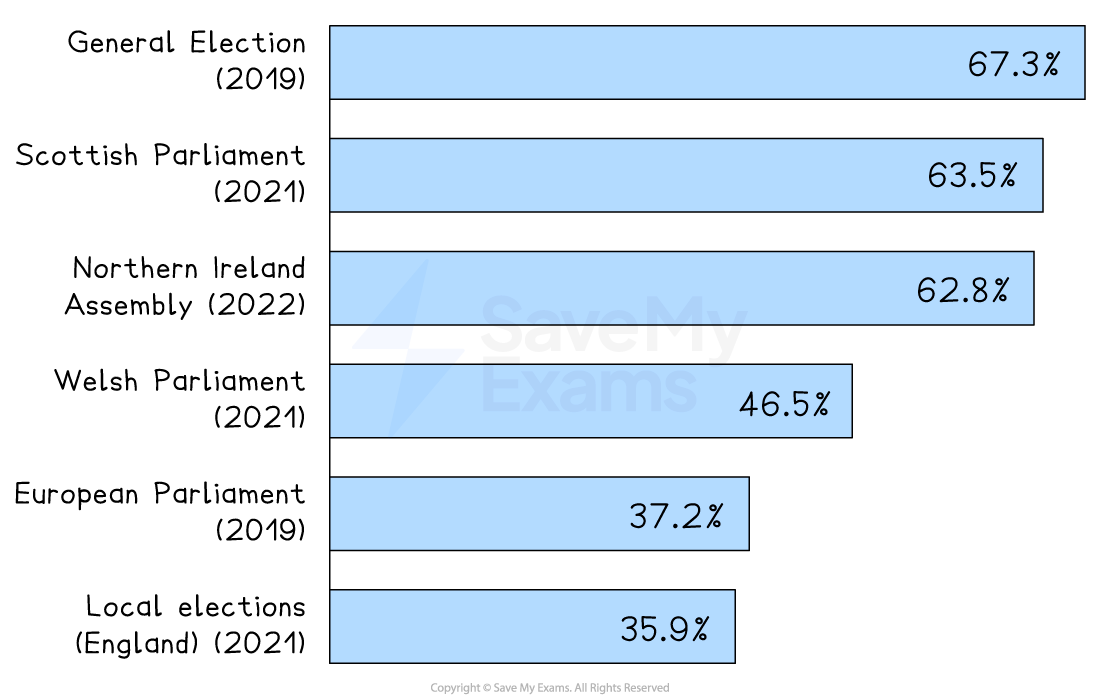
Turnout has been especially low in Police and Crime Commissioner (PCC) elections
As a result, in 2025 the government announced their abolition
In some countries, voting is compulsory
Citizens can be fined for not voting, which increases turnout
The police
The police are responsible for upholding the law, preventing crime and protecting the public
The UK has a number of regional police forces
Over time, smaller forces have been merged into larger ones for efficiency
Case Study
Police forces merge in the Midlands
In 1974, several small police forces, including Birmingham City Police, Coventry Police, and parts of Staffordshire, Worcestershire and Warwickshire Constabularies, were merged following local government reorganisation
The merger was intended to improve efficiency, coordination and consistency in policing a large urban area
West Midlands Police is now one of the largest police forces in the UK
Since 2012, police forces in England and Wales have been overseen by elected Police and Crime Commissioners (PCCs)
PCCs were designed to improve public accountability.
This role is now being abolished, and police forces will instead be overseen by directly elected mayors
The Metropolitan Police in London is different
It is partly under the authority of the Home Secretary
It is also overseen by the Mayor of London
The civil service
The civil service is made up of people who work for and advise the government
They help implement government policies and run public services
The UK civil service is based on three key principles:
Impartiality
Civil servants serve the government of the day, regardless of political party
They are not allowed to take part in political campaigning.
Anonymity
Civil servants work behind the scenes
They are not publicly identified with specific decisions or policies.
Permanence
Civil servants are part of a long-term career structure
They usually remain in their roles when governments change
Case Study
The role of a senior civil servant
Sir Simon Case is the Cabinet Secretary and Head of the Civil Service
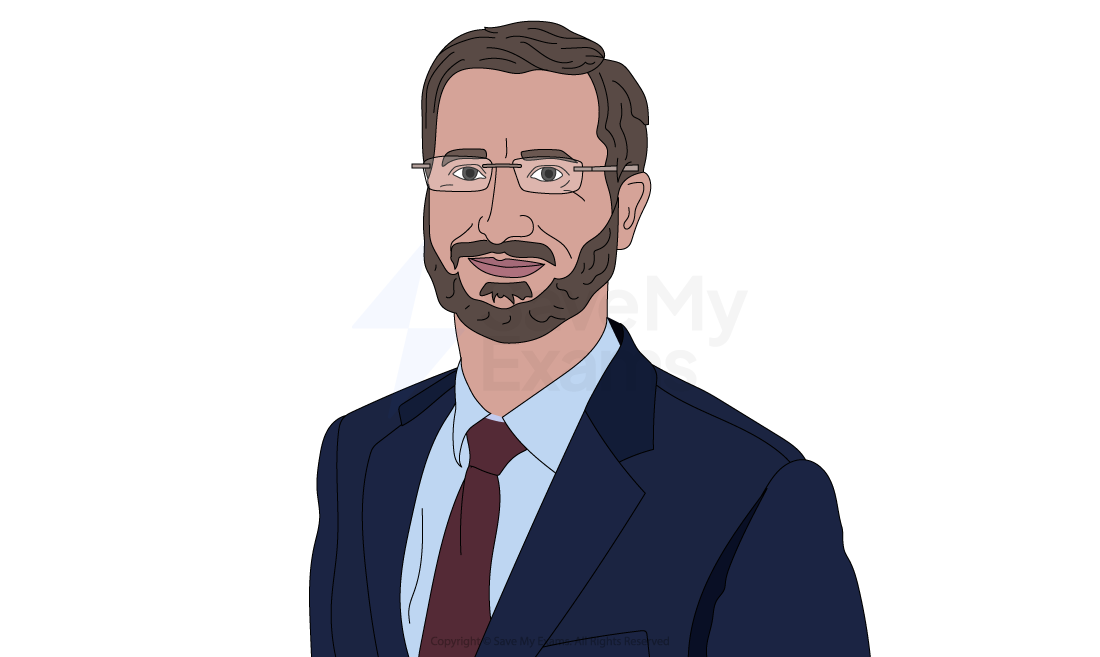
He was appointed in 2020 under a Conservative government and continued in his role when the Labour government took office in 2024
This demonstrates the key civil service principle of impartiality
He remained in post to advise and support the government of the day, regardless of which political party was in power
In recent years, more temporary adviser roles have been created
These advisers are political appointments and usually leave when the government changes
Senior civil servants are publicly accountable
They regularly appear before parliamentary select committees, where their work is questioned in public

Unlock more, it's free!
Join the 100,000+ Students that ❤️ Save My Exams
the (exam) results speak for themselves:

Was this revision note helpful?