The Nature of the British Constitution (Edexcel GCSE Citizenship Studies): Revision Note
Exam code: 1CS0

Introduction to the British constitution
A constitution is a set of rules that state how a state is managed and organised
Many countries have a written constitution
It is set out in a formal document which explains how it can be changed or amended
E.g. The USA has a written constitution dating from 1789 that has been subsequently amended 27 times
Some countries, including the UK, have an unwritten, uncodified constitution
There is no single set document, but there are laws, procedures and conventions
Examiner Tips and Tricks
A common misconception is that the UK’s uncodified constitution means there are no rules
That’s wrong - the rules exist in laws, conventions and court decisions, just not in one document
Explain that flexibility is a strength, allowing the constitution to change through Acts of Parliament and court rulings
The changing British constitution
An uncodified constitution is flexible, so it can be adjusted or adapted from time to time without a complex process
Changes to the UK's constitution in recent years
Devolution
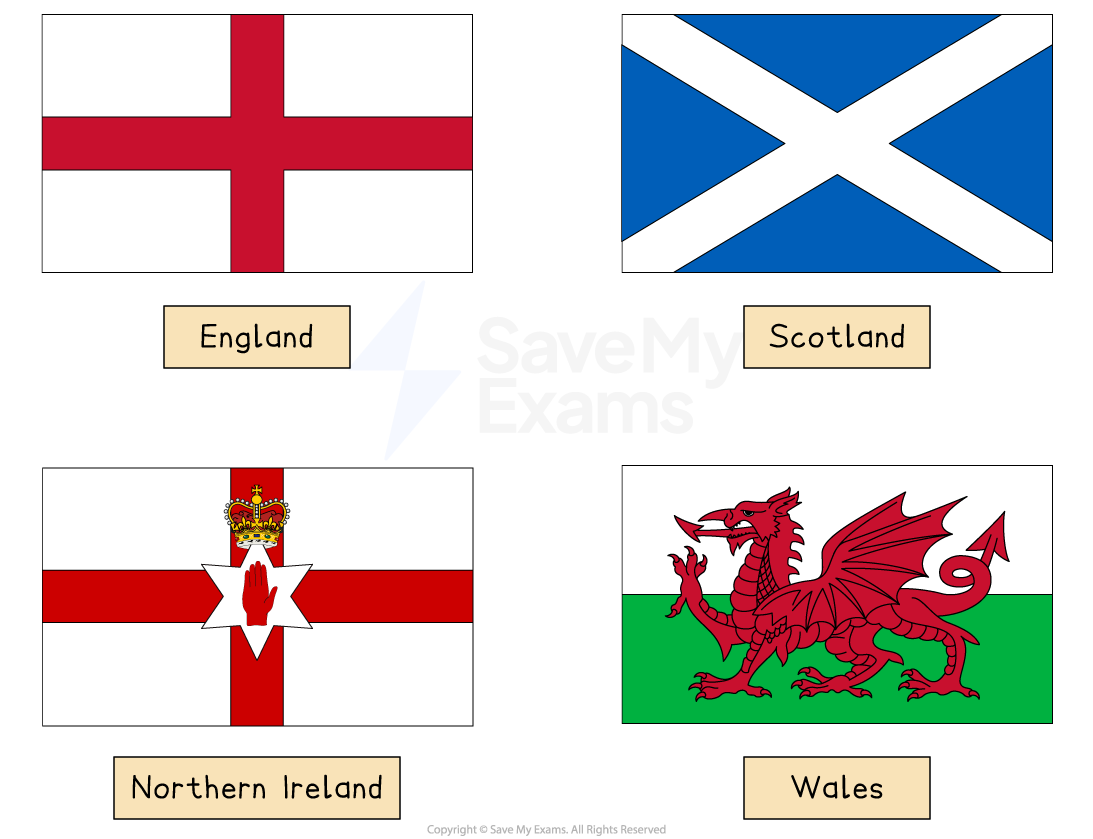
Constitutional changes were made to recognise the creation of devolved governments in Scotland, Wales and Northern Ireland
These bodies were given powers over areas such as education, health and transport
The UK Parliament kept control of national issues like defence and foreign policy
Leaving the EU
Leaving the EU has changed how the UK constitution operates
Brexit reduced the influence of EU institutions on UK law and politics
Parliament can now make, change or repeal laws without EU constraints
Before Brexit, EU law took priority over UK law in areas of conflict
After Brexit, UK courts follow UK law as the highest legal authority
The role of the courts has changed
UK courts are no longer bound by new rulings from the European Court of Justice
Courts can still consider past EU case law unless Parliament decides otherwise
Powers have returned to the UK
Some powers previously shared with the EU, such as trade and immigration, are now controlled by the UK government
Returning powers created debates about whether they should go to Westminster or devolved governments
This has caused tension with Scotland, Wales and Northern Ireland
The constitution has continued to evolve
Brexit highlighted that the UK constitution is uncodified and flexible
Major constitutional changes were made through Acts of Parliament rather than a single written constitution

Unlock more, it's free!
Join the 100,000+ Students that ❤️ Save My Exams
the (exam) results speak for themselves:

Was this revision note helpful?