Forming & Organising the Work of Government (Edexcel GCSE Citizenship Studies): Revision Note
Exam code: 1CS0

How a government is formed
In the UK, governments are usually formed as a result of a general election, which determines which political party has the majority of MPs in the House of Commons
Dissolution of Parliament and the election period
When a general election is called, Parliament is dissolved
This means that all MPs stop being MPs
Former MPs then either stand down (retire) or stand as candidates in the election
The caretaker government
Government ministers remain in post during the election campaign
They continue to run their departments to ensure continuity of government
However, they avoid making major new decisions or policy changes
Although they are no longer MPs, they remain ministers until a new government is formed
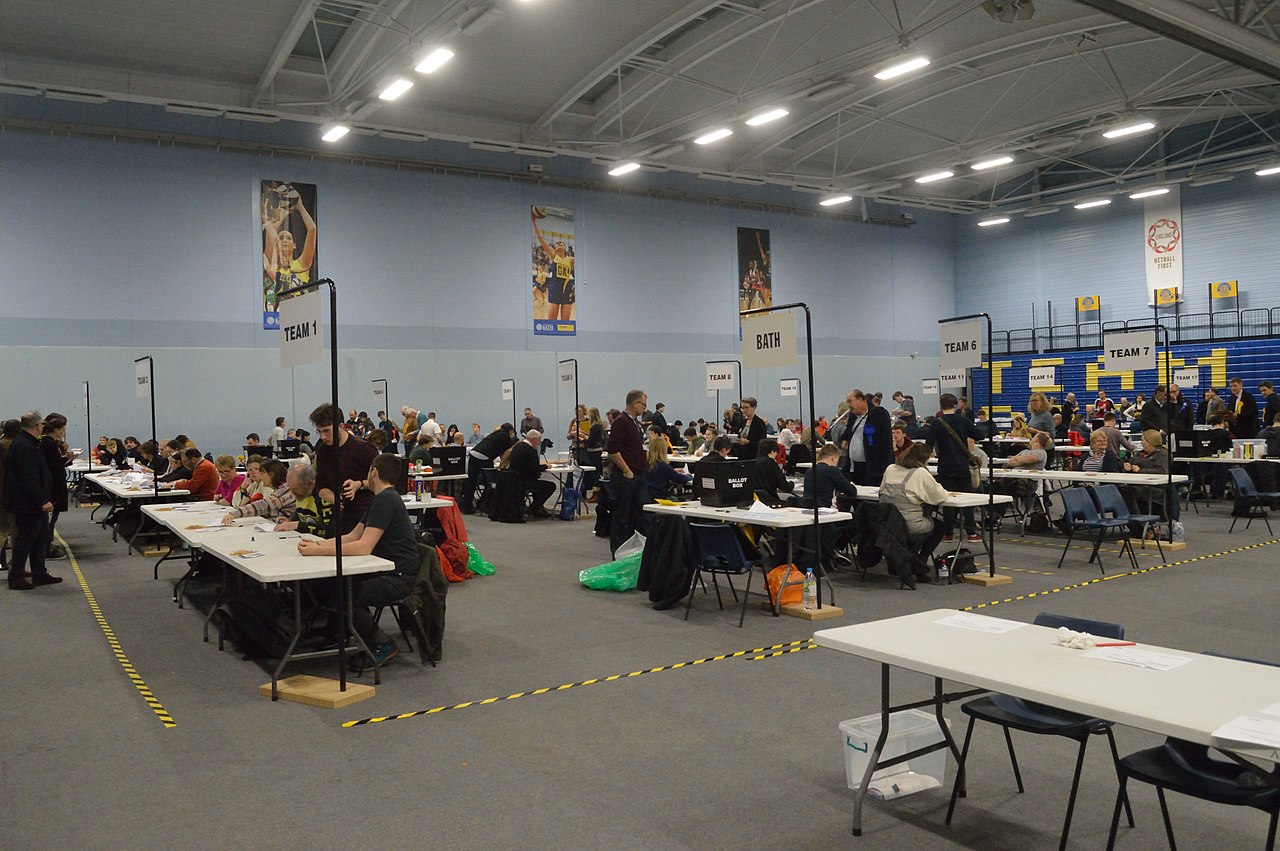
Counting votes and declaring the result
Votes are counted overnight, and the result of the general election is usually known within 24 hours of polling stations closing
Results are announced constituency by constituency across the country
As soon as one party achieves a majority, the result is confirmed
The role of the monarch after an election
The monarch’s role is politically neutral and follows constitutional convention
After the election, the current Prime Minister visits the King
If the Prime Minister has won the election, the monarch asks them to form the next government
If the Prime Minister has lost the election, they advise the King on who is most likely to command the confidence of the House of Commons
This is normally the Leader of the Opposition, who is then invited to see the King
They formally accept the seals of office, which symbolise their authority.
They then return to 10 Downing Street, after the outgoing Prime Minister has already left
Examiner Tips and Tricks
To score well, describe the process in order: election → dissolution → caretaker government → monarch’s role → appointment of Prime Minister
Students often miss the caretaker stage or get the monarch’s role wrong
Coalition and minority governments
If no single party wins a majority, the situation is known as a hung parliament
The existing Prime Minister may ask the King for time to negotiate with other parties
This can result in
A coalition government, where two or more parties share power
E.g. In 2010, no party won a majority, so the Conservative Party and Liberal Democrats formed a coalition government that lasted until 2015
A confidence and supply agreement, where smaller parties support the government on key votes
E.g. In 2017, the Democratic Unionist Party (DUP) agreed to support the Conservative government in return for additional funding for Northern Ireland
A minority government, when the governing party does not have a majority of seats in the House of Commons
The party in power has fewer than half of all MPs
It must rely on support from other parties to pass laws and budgets
Case Study
Labour minority government (1974–1979)
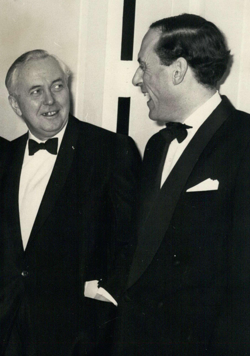
After the February 1974 general election, no party won a clear majority
The Labour Party, led by Harold Wilson, formed a minority government
How it operated
Labour relied on support from smaller parties, including the Liberals and nationalist parties
Agreements were made to gain enough support to pass laws and remain in power
How government is organised
Once appointed, the new Prime Minister begins forming a government
This involves appointing:
Cabinet ministers
Junior ministers
Whips
This can involve over 100 ministerial and other parliamentary appointments
These appointments usually take place within the first few days of the new government
Departments and ministries
The UK government is divided into departments, each responsible for a policy area
Departments help plan, develop and deliver government policies
A ministry is a type of government department led by a senior minister
Ministers are usually MPs and are politically appointed
They set policy direction and make key decisions
They are accountable to Parliament for how their department operates
Examples include the Home Office and the Department for Education
Agencies
Agencies carry out specific tasks on behalf of departments
They focus on delivery rather than policy-making
Specialist organisations to focus on particular services
Examples of agencies
HM Revenue and Customs collects taxes
The Driver and Vehicle Licensing Agency (DVLA) manages driving licences and vehicle records
Civil servants
Civil servants are paid officials who work in departments and agencies
They are not elected and are politically neutral
They serve the government of the day, regardless of party
This ensures continuity when governments change
They advise ministers and provide expert information and put government policies into practice
They manage day-to-day administration and public services

Unlock more, it's free!
Join the 100,000+ Students that ❤️ Save My Exams
the (exam) results speak for themselves:

Was this revision note helpful?