Rights, Duties & Values: Current Debates (Edexcel GCSE Citizenship Studies): Revision Note
Exam code: 1CS0

Do we all have a right to privacy?
The right to privacy is the expectation that personal life, information and communications are protected
This includes home life, family relationships, medical information and online data
The right to privacy in the UK
Privacy is generally expected, but not absolute
Most people expect privacy in their home and personal communications
However, privacy can be limited in certain situations
Public interest can justify limits on privacy
Privacy may be reduced to protect others or society as a whole
For example, police may monitor suspects to prevent serious crime
Privacy differs between individuals
Public figures often have less privacy than private individuals
This is because their actions may affect the public
Technology has increased privacy concerns
Social media and smartphones collect large amounts of personal data
For example, apps tracking location raise questions about consent and surveillance
The media plays a key role in privacy debates
Journalists must balance informing the public with respecting private life
Publishing private details without strong justification can cause harm
Reasons we DO have a right to privacy | Reasons privacy can be limited |
|---|---|
|
|
Does freedom of speech have limits?
Freedom of speech is the right to express opinions, ideas and beliefs without unfair punishment
This includes spoken words, writing, protest, art and online expression
It is a key democratic value
It allows debate, criticism of those in power and the sharing of different viewpoints
Freedom of speech in the UK
Freedom of speech is protected but not absolute
People are generally free to express views, including criticism of the government
However, speech can be limited where it causes harm to others
Harmful speech is restricted
Hate speech, threats and incitement to violence are not protected
For example, racist or religious hatred is illegal
Public order and safety can limit speech
Speech that risks serious disorder or violence may be restricted
For example, police may place conditions on protests to prevent disruption
The media has freedom but also responsibilities
Journalists can report on matters of public interest
They must avoid defamation and respect privacy
Online speech raises new challenges
Social media allows speech to spread quickly and widely
Platforms and laws aim to limit harmful or misleading content
Reasons freedom of speech SHOULD be protected | Reasons freedom of speech SHOULD have limits |
|---|---|
|
|
Case Study
Tommy Robinson and limits on freedom of speech
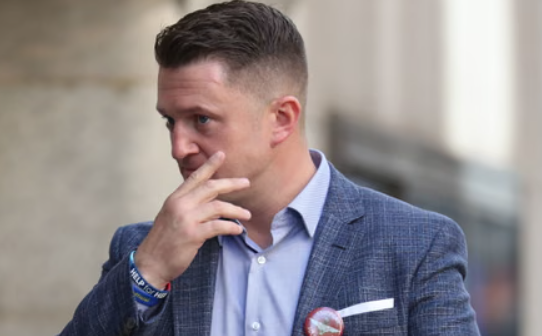
In 2018, Tommy Robinson filmed and live-streamed outside Leeds Crown Court
The trial involved grooming gang defendants and had reporting restrictions in place
The restrictions aimed to protect the fairness of the trial
Especially to prevent jurors being influenced by media coverage
Robinson claimed he was exercising freedom of speech and press freedom
He argued the public had a right to know about the case
Supporters said filming outside a court was a form of journalism
They believed restrictions limited free expression
Why freedom of speech was limited
Courts ruled the broadcast risked seriously prejudicing the trial
Jurors could have seen the video online
Protecting the right to a fair trial was prioritised
This is essential to justice and the rule of law
Outcome
Robinson was found in contempt of court
He received a prison sentence, later subject to appeal and retrial
Judges stressed the case was not about opinions, but about protecting justice
Freedoms and the terrorism threat
Terrorism involves the use of violence or threats to create fear and influence society or government
In the UK, terrorism is linked to threats from extremist groups and lone actors
Terrorism aims to damage democratic freedoms
By creating fear, it can change how people live and behave
How terrorism affects freedoms in the UK
Limits on freedom of movement
Police can stop and search individuals to prevent attacks
Increased security at airports, events and public spaces
For example, bag checks at concerts and transport hubs
Limits on privacy
Surveillance powers allow authorities to monitor suspected extremists
Online activity and communications may be monitored
Aimed at preventing attacks before they happen
Limits on freedom of speech
It is illegal to support or encourage terrorism
Online extremist content can be removed
Prevents radicalisation and recruitment
Limits on freedom of association
Terrorist organisations are banned in the UK
Joining or supporting them is a criminal offence
Why freedoms may be limited due to terrorism
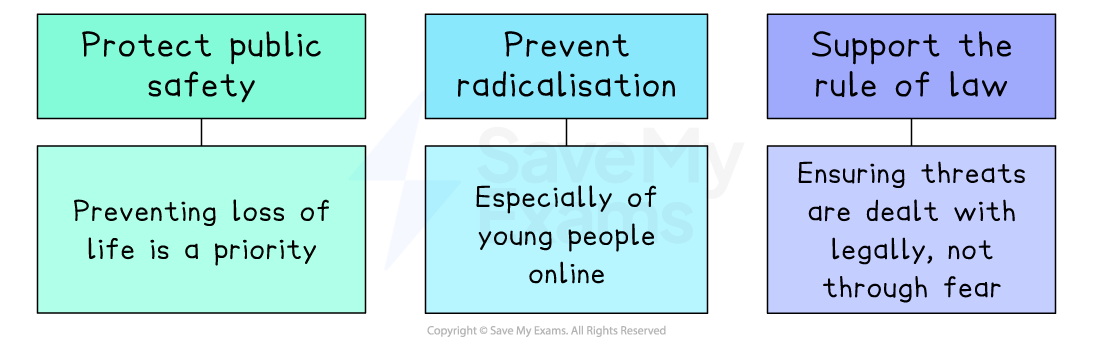
Concerns about limiting freedoms
Restrictions may affect innocent people
For example, stop and search can feel unfair or discriminatory
Surveillance raises privacy concerns
Some argue it goes too far
There is ongoing debate about balance
How much freedom should be limited to stay safe

Unlock more, it's free!
Join the 100,000+ Students that ❤️ Save My Exams
the (exam) results speak for themselves:

Was this revision note helpful?