Rights, Duties & Values: Rights & Responsibilities (Edexcel GCSE Citizenship Studies): Revision Note
Exam code: 1CS0

Freedom of speech and privacy
What is freedom of speech?
Freedom of speech is the ability to express opinions, ideas and beliefs without fear of punishment
It includes spoken words, writing, art, protest and online communication
In the UK people can criticise the government, public bodies and those in power
Newspapers and journalists regularly criticise government policy
Citizens can take part in protests and campaigns
For example, climate change protests and cost-of-living demonstrations
However, speech is restricted where it causes harm to others
Hate speech and threats of violence are not protected
Restrictions aim to protect public safety and the rights of others
What is the right to privacy?
The right to privacy is the expectation that personal life, information and communications are protected
It is based on dignity, respect and personal autonomy
In the UK, individuals expect privacy in their home, family life and personal data
For example, medical records and personal messages should remain confidential
Organisations must handle personal data responsibly
Companies must not share customer data without permission
However, privacy may be reduced where there is strong public interest
For example, exposing serious crime or corruption
How freedom of speech and privacy may conflict
The media may want to publish information to inform the public
This supports freedom of speech and press freedom
Individuals may argue that publication intrudes into their private life
This can cause emotional distress or reputational harm
In the UK, decisions focus on balancing public interest against personal privacy
Case Study
Phone hacking and press freedom

Journalists at the News of the World hacked phone messages to obtain stories
Victims included celebrities, politicians and the family of a murdered schoolgirl
Conflict between rights
Journalists claimed they were acting in the public interest
They argued freedom of speech allowed them to investigate and publish stories
Victims argued their right to privacy had been seriously violated
Private messages were accessed without consent
Outcome
The News of the World closed in 2011
Journalists were prosecuted and new press regulation was introduced
The Leveson Inquiry examined press ethics and standards
Activism and obeying the law
Activism involves taking action to bring about social, political or environmental change
It can be carried out by individuals or groups who want to challenge injustice
Forms of activism
Type of activism | Purpose | Example |
|---|---|---|
Protests |
|
|
Marches |
|
|
Petitions |
|
|
Campaigns |
|
|
Civil disobedience |
|
|
Boycotts |
|
|
Obeying the law
Laws help keep order and protect the rights of others
Obeying the law supports safety, stability and trust in society
The rule of law in the UK means that everyone is expected to follow the law, including protesters
No one is above the law, even if their cause is popular
The police and courts enforce laws fairly and consistently
Citizens have a responsibility to protest peacefully and lawfully
Actions should not cause serious harm or danger to others
How activism and obeying the law can come into conflict
Activists may believe breaking the law is morally justified
Especially if laws are seen as unfair or slow to change
Governments argue laws must be enforced to protect the public
Disruption to transport, emergency services or daily life is often used to justify limits
This creates a tension between moral action and legal responsibility
Case Study
Just Stop Oil protests
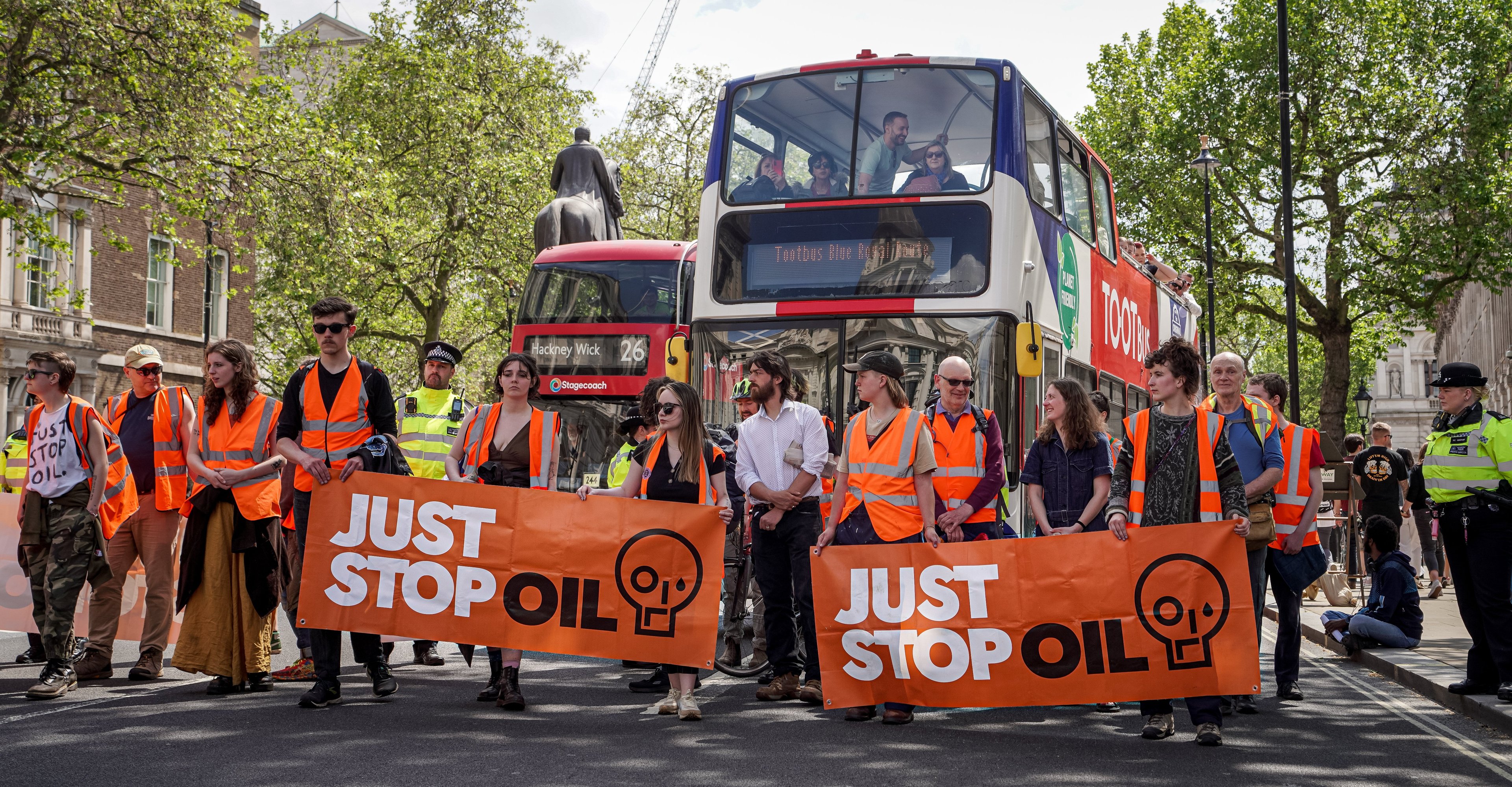
Just Stop Oil is a climate activist group calling for an end to new oil and gas projects
Since 2022, the group has carried out high-profile protests across the UK
Activism
Protesters blocked roads, motorways and public spaces
For example, sitting on the M25 caused major travel disruption
Activists argued urgent action was needed to prevent climate damage
Conflict with the law
Protests broke laws related to public order and safety
Police arrested protesters and courts issued fines and prison sentences
New laws increased police powers to limit disruptive protests

Unlock more, it's free!
Join the 100,000+ Students that ❤️ Save My Exams
the (exam) results speak for themselves:

Was this revision note helpful?