UK Identity (Edexcel GCSE Citizenship Studies): Revision Note
Exam code: 1CS0

English identity
English identity is linked to shared history, culture and institutions in England
Symbols include the St George’s Cross and landmarks such as Parliament, Blackpool Tower and the White Cliffs of Dover
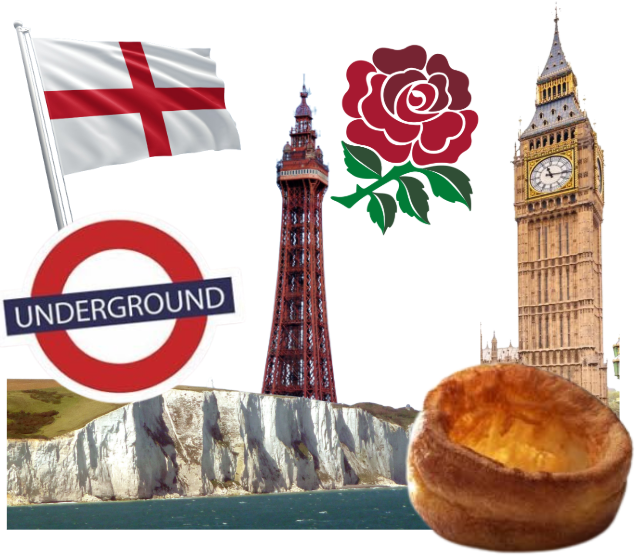
Cultural elements include major historical periods
For example, the Tudor period and the Industrial Revolution shaped England’s global role
Sport plays an important role in identity
Support for the England football and cricket teams can create pride, but also rivalry with other UK nations
English identity often overlaps with British identity
Many English people prioritise British identity due to shared UK institutions
Identity debates can arise due to the lack of an English parliament
Some feel English identity is politically less visible than others
Scottish identity
Scottish identity is shaped by history, culture and political autonomy
Symbols include the Saltire, Edinburgh Castle and Nessie
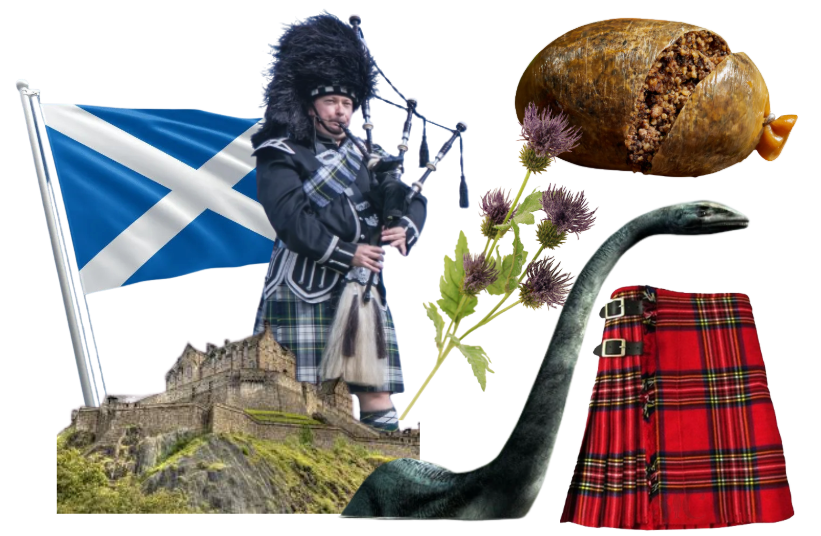
Historical figures and events are important
For example, figures like Robert Burns and events such as the Acts of Union
Sport is a strong expression of identity
Support for Scottish national teams often strengthens distinct Scottish identity and rivalry with England
Scottish identity can sit alongside British identity
Shared UK elements include the monarchy, defence and currency
Identity debates often focus on independence
Some see Scottish and British identities as conflicting, others as compatible
Welsh identity
Welsh identity is closely linked to language, culture and heritage
Symbols include the Red Dragon, rugby and artefacts such as love spoons and the Celtic Cross
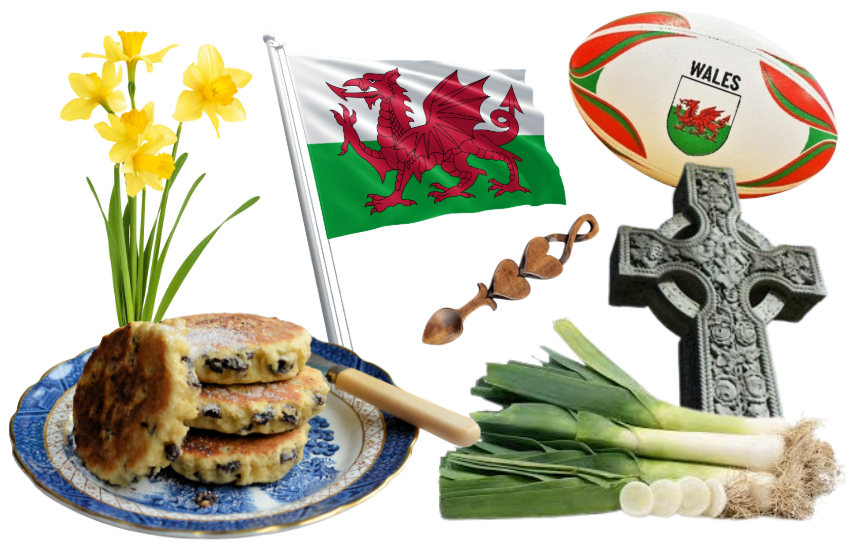
Cultural traditions are strongly protected
Events like the National Eisteddfod celebrate Welsh language, music and poetry
Sport is a key part of identity
Support for the Welsh rugby team is a strong source of national pride and rivalry
Welsh identity usually fits within UK identity
Shared citizenship and economic ties link Wales to the UK
Identity debates focus on cultural preservation
Some feel Welsh identity needs protection within a UK-wide system
Northern Irish identity
Northern Irish identity is complex due to history and political division
Important places include Stormont and historical sites linked to the Troubles
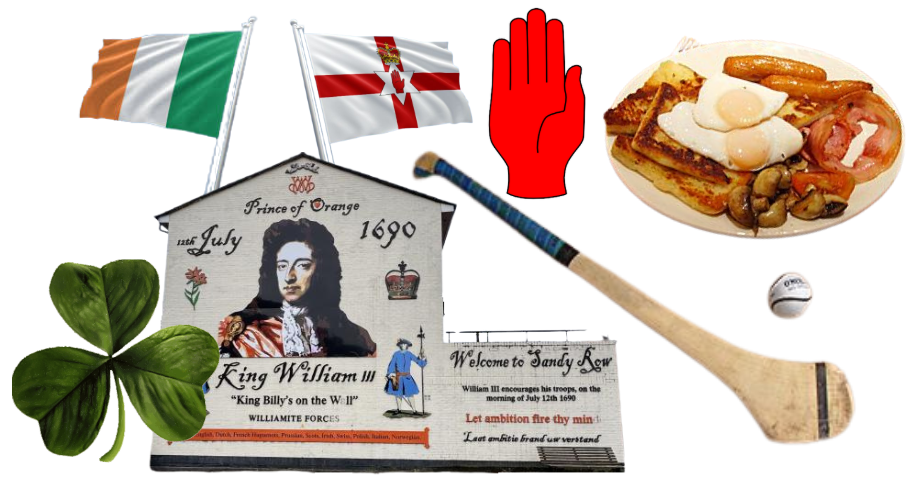
Historical events strongly shape identity
For example, the partition of Ireland and the Good Friday Agreement
Sport reflects different identities
Some support Northern Ireland teams, others support Irish teams, showing divided identities
Symbols and traditions vary by community
These include flags, parades and commemorations
Identity debates are ongoing
Some people feel British, some Irish, and some both, which can cause tension

Unlock more, it's free!
Join the 100,000+ Students that ❤️ Save My Exams
the (exam) results speak for themselves:

Was this revision note helpful?