Human Rights Governance (Edexcel A Level Politics): Revision Note
Exam code: 9PL0

Optional unit
Examiner Tips and Tricks
For Component 3, students only study ONE route: USA Politics (3A) or Global Politics (3B)
The International Court of Justice
The United Nations Universal Declaration of Human Rights is an aspirational document, meaning it is not enforceable by law
The United Nations and regional intergovernmental organisations have since worked to formally introduce human rights into international law, thereby making them more enforceable and holding states accountable
The purpose of the International Court of Justice
The International Court of Justice (ICJ) is the principal judicial organ of the United Nations and is an instrument of mediation and justice
It was set up to provide an opportunity for states to resolve issues and thus prevent conflict
A respect for human rights is seen as the foundation to prevent conflict between states and within states
It does not create laws but it clarifies and offers judgement using existing international laws
Human rights laws and the United Nations
All international human rights laws created by the United Nations are presented to nation states
State have the power to reject them or ratify them, meaning the states are legally bound to uphold them
Although states have the power to reject such laws, they generally do agree to them
Even if a state has ratified a human rights law, it is difficult for global governance institutions to enforce them due to state sovereignty
The ICJ can be approached by states if they are concerned about another state violating ratified human rights international laws
The ICJ can make decisions which are binding but not enforceable so it relies on the goodwill of the states involved
Case Study
The International Convention on the Elimination of All forms of Racial Discrimination is a human rights international law established in 1969 by the United Nations

Armenia and Azerbaijan have both ratified this law
Following a war over the region of Nagorno-Karabakh in 2020, the two sides filed lawsuits against each other at the ICJ in September 2021
The two countries accuse each other of ethnic cleansing
The case is ongoing and ICJ will make a decision by as to whether The International Convention on the Elimination of All forms of Racial Discrimination was violated by either or both states
The International Criminal Court
Atrocities which took place in Rwanda and Kosovo in the 1990s highlighted the limitations of the United Nations in providing justice to victims of severe human rights abuses and action was taken to address this
In 2002 the ICC came into being specifically to put on trial individuals, rather than states, who are responsible for crimes such as genocide, war crimes and other crimes against humanity
States had the option to accept the jurisdiction of the court, and most did
The notable exceptions were two Security Council members: China and the USA
Citizens of a state that has not accepted the ICC jurisdiction cannot be prosecuted
Crimes committed in a state that has not accepted ICC jurisdiction cannot be prosecuted
The ICC works together with the justice systems of states or independently if the state is unwilling or unable to prosecute
How cases are brought to the ICC
States themselves can ask that an individual be put on trial
E.g. In 2004 Uganda asked that leaders of the Lord’s Resistance Army, a violent terrorist group, be prosecuted for horrific crimes against its citizens
The UN security Council can request an ICC investigation
Other individuals and civil society can request an ICC investigation
Special human rights tribunals
Some cases brought to the United Nations are so complex that special tribunals are set up to investigate and later prosecute the cases
Such tribunals are temporary rather than permanent like the ICC
Case Study
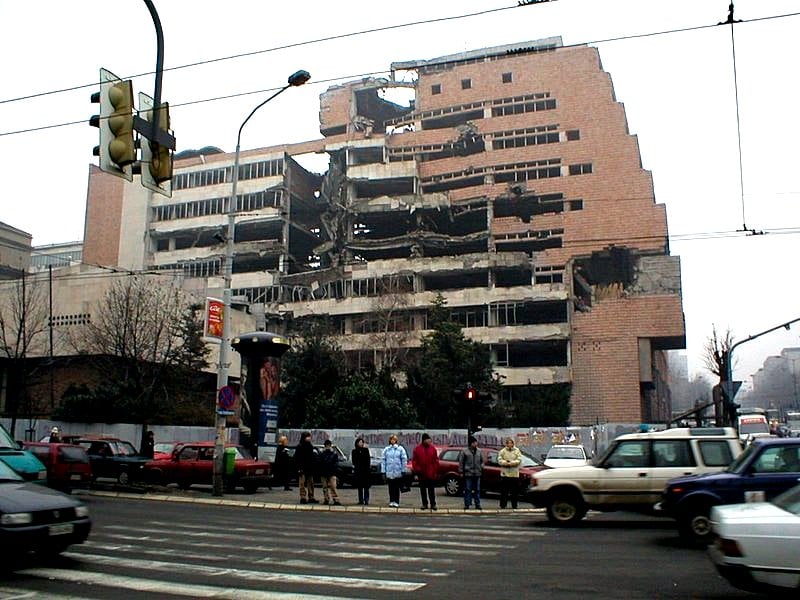
International Criminal Tribunal for the former Yugoslavia (ICTY), 1993–2017
The violent breakup of Yugoslavia in the 1990s led to widespread war crimes, including genocide, ethnic cleansing, and crimes against humanity
National courts were unwilling or unable to prosecute those responsible, creating a need for international justice
The Tribunal
The ICTY was established by the UN Security Council in 1993 as an ad hoc international tribunal based in The Hague
It had jurisdiction over serious violations of international humanitarian law committed in the former Yugoslavia since 1991
The tribunal prosecuted political and military leaders, including Slobodan Milošević and Radovan Karadžić
The outcome
The ICTY indicted 161 individuals and secured over 90 convictions
It strengthened international criminal law but was criticised for high costs, long trials, and limited deterrence
Case Study
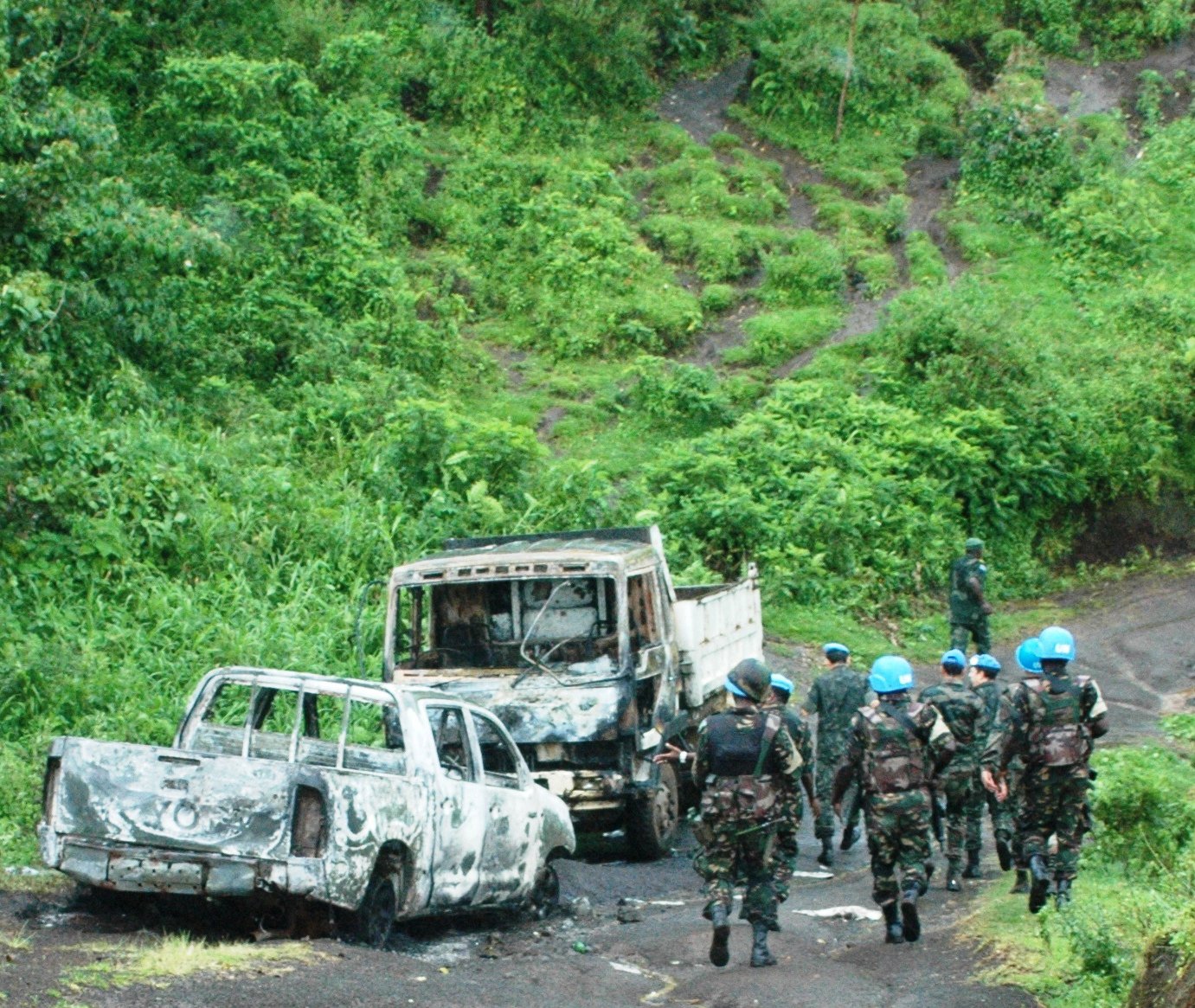
International Criminal Tribunal for Rwanda (ICTR), 1994–2015
In 1994, Rwanda experienced a genocide in which around 800,000 Tutsi and moderate Hutu were killed in just 100 days
The scale and speed of the violence overwhelmed Rwanda’s domestic justice system
The Tribunal
The ICTR was established by the UN Security Council in 1994 and was based in Arusha, Tanzania
It was mandated to prosecute those most responsible for genocide, crimes against humanity, and war crimes
The tribunal focused on senior political, military, and media figures who incited or organised the genocide
The outcome
The ICTR indicted 93 individuals and secured 62 convictions
It set important legal precedents on genocide but faced criticism for slow proceedings and high costs
The European Court of Human Rights
Human rights laws and courts are created at the regional level of global politics as well as the international level
The Convention on Human Rights was legally agreed upon by 12 members of the Council of Europe in 1953
This document gave legal force to many of the human rights outlined in the UN’s Universal Declaration of Human Rights.
The Council of Europe (later evolved into the European Union) established the European Court of Human Rights which would investigate and prosecute violations of the Convention in 1959
States within the EU must fully accept decisions of this court, as it has a higher power than individual state judicial decisions
Citizens and states may bring cases to the court

Unlock more, it's free!
Join the 100,000+ Students that ❤️ Save My Exams
the (exam) results speak for themselves:

Was this revision note helpful?
