Types of Anarchism (Edexcel A Level Politics): Revision Note
Exam code: 9PL0

Types of anarchism
Anarchism is not a single, unified ideology
Different strands of anarchism disagree over human nature, economic organisation and how society should be structured once the state is abolished
Collectivist anarchism
Collectivist anarchists believe that humans have a natural tendency to cooperate and that society should be organised around communal ownership and collective decision-making rather than individual competition
Collectivist anarchism includes anarcho-communism, mutualism, and anarcho-syndicalism.
Anarcho-communism
Anarcho-communists believe in:
The abolition of private property
Distribution of goods based on need
Self-organised communes without a centralised state
Mutualism
Mutualists believe in:
Use-ownership
Individuals only own what they personally use, including private property
Markets without capitalism
Markets exist, but profit, wage labour and monopolies are rejected
Anarcho-syndicalism
Anarcho-syndicalists believe in:
Trade unions as the basis of a post-capitalist society
Unions acting as the key structure of social organisation
Direct action as the method of change
Including strikes and boycotts
Key thinkers (collectivist anarchism)
Kropotkin | Bakunin | Goldman |
|---|---|---|
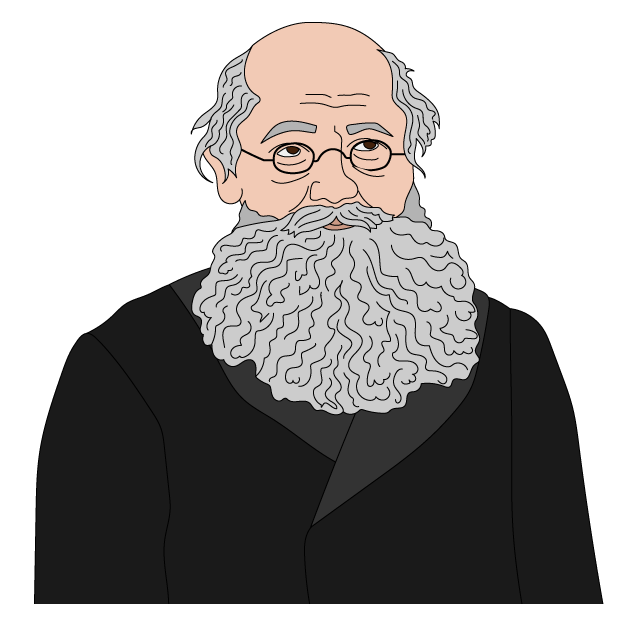 | 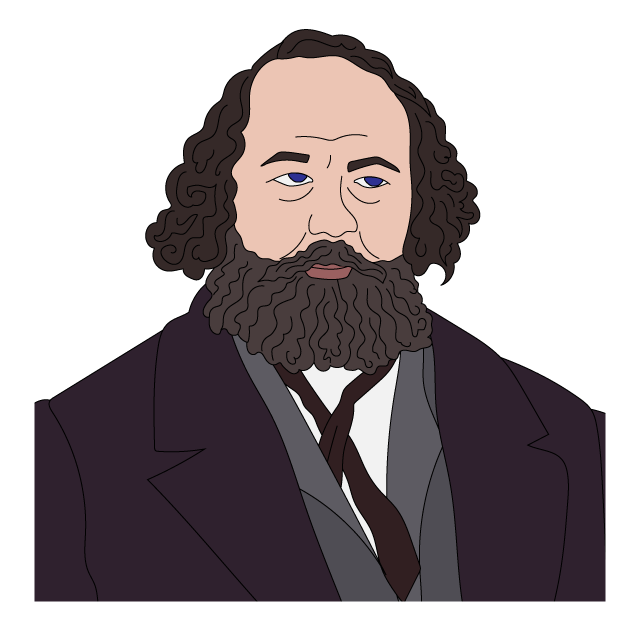 | 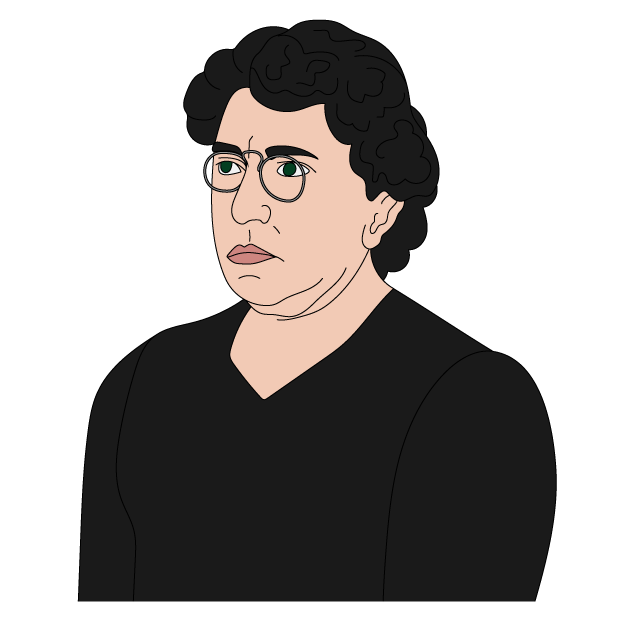 |
|
|
|
Individualist anarchism
Individualist anarchists believe that humans are primarily motivated by personal freedom and self-interest and that society should be organised through voluntary agreements rather than collective authority
Individualist anarchism includes anarcho-capitalism and egoism
Anarcho-capitalism
Anarcho-capitalists believe in:
The abolition of the state
Replacement of the state with private enterprise or competing organisations
Private property operating within a free market
Laissez-faire economic conditions
Order arising through voluntary contracts rather than state authority
Egoism
Egoists believe in:
No moral obligations to natural rights beyond individual freedom and choice
Cooperation occurs through self-interest rather than collective idealism
Rejection of all political authority as a limit on individual freedom
A natural order of egoists emerges from these principles
Key thinkers (individualist anarchism)
Stirner
Prioritised egoism and personal freedom
Argued there is no individual freedom under the state
Advocated the union of egoists
Anarchism and the four themes
What do anarchists think about the four themes?
Theme | Agreement within anarchism | Disagreement within anarchism |
|---|---|---|
Human nature |
|
|
Society |
|
|
State |
|
|
Economy |
|
|

Unlock more, it's free!
Join the 100,000+ Students that ❤️ Save My Exams
the (exam) results speak for themselves:

Was this revision note helpful?
