The Interactions of Multiple Actors to Address Political Issues (DP IB Global Politics): Revision Note
Interactions at the international level
Political issues involve any situation that deals with how power is distributed, who has the ability to make change and who resists it
The interaction of multiple actors is at the centre of all global political issues
Many claim that the state is the primary actor in global politics and many political issues involve states in one way or another
Actors that interact in political issues
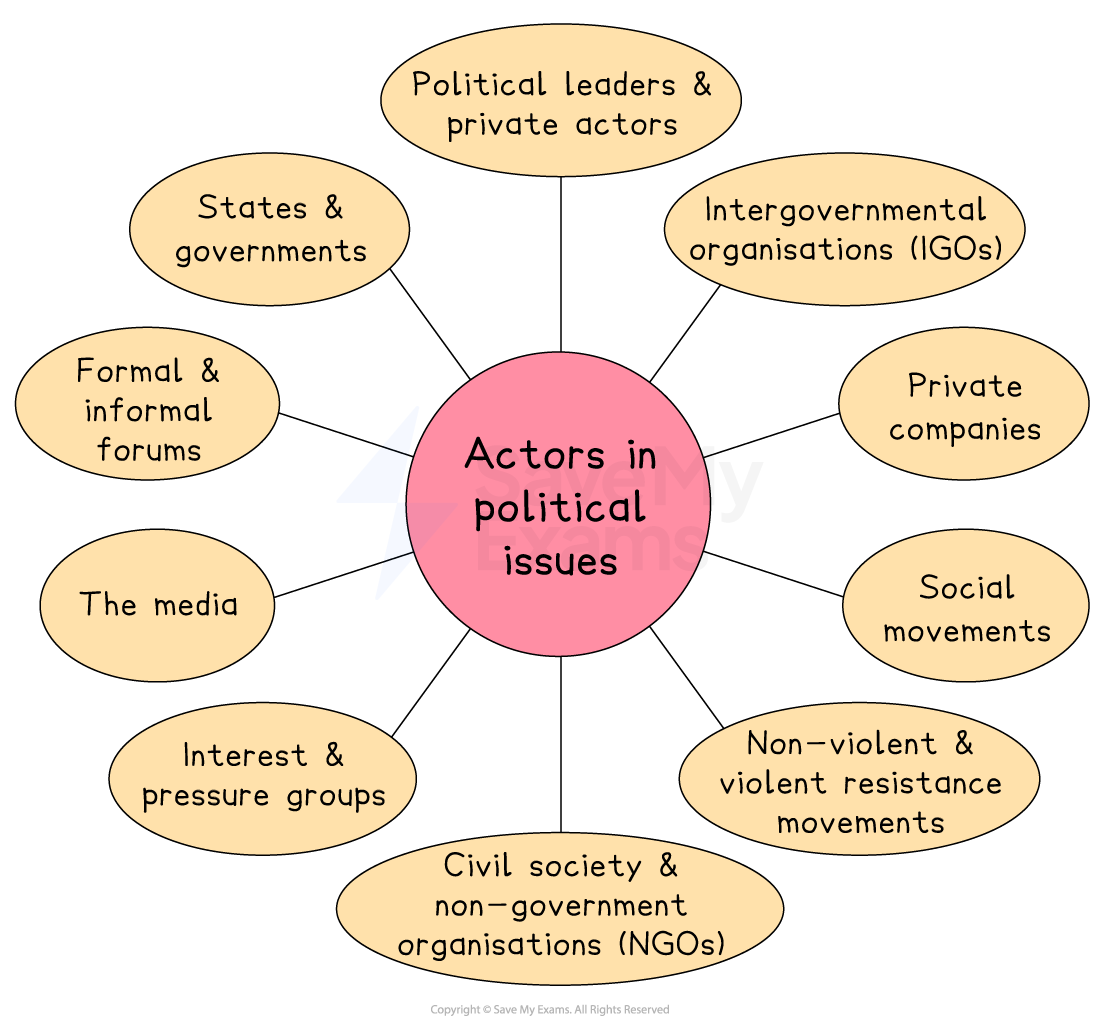
At the international level many actors are actively involved in political issues
The issues tend to be complex and multidimensional
Climate change is a political issue that impacts every person on earth
There are many actors attempting to lessen the impact of climate change while others resist
Sometimes a single actor can appear to do both
Case Study
Global Action on Climate Change
Intergovernmental organisations (IGOs) such as the United Nations have called on states to reduce carbon emissions through international agreements
Many governments have formally agreed to climate targets, such as those set out in the Paris Agreement (2015)
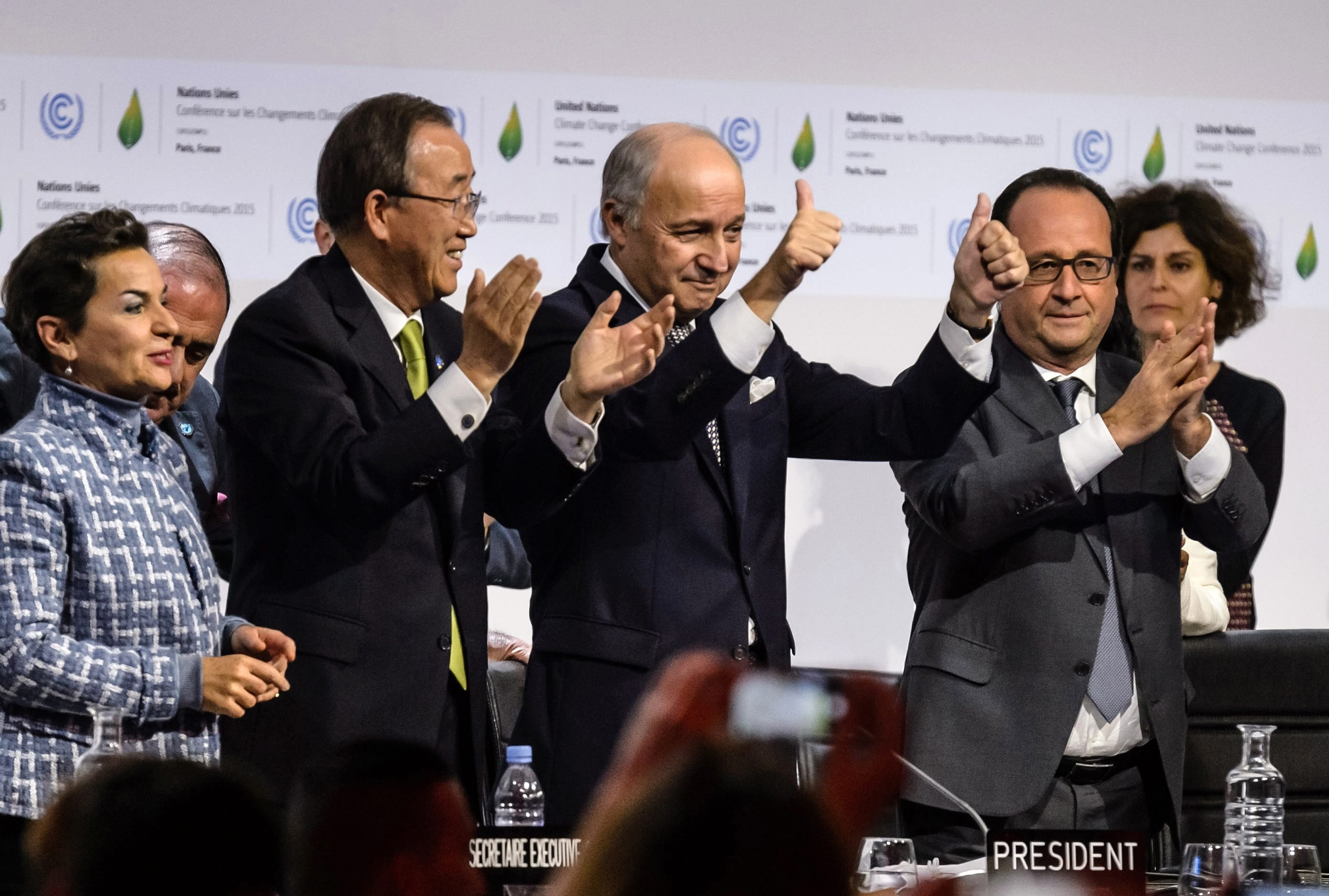
However, many states have fallen short of their emissions reduction goals, leading other political actors to try to hold governments accountable
Environmental NGOs, including Greenpeace, have attempted to “name and shame” governments that fail to meet climate commitments. They do this through reports, protests and media campaigns, although this pressure has often had limited success in forcing major policy change.
At the same time, some private companies have supported environmental action, while others have lobbied governments to weaken or delay costly environmental regulations, particularly in less economically developed states.
Social media has also become an important arena. Some actors use it to campaign for stronger climate action, while others spread climate change denial, influencing public debate and government responses.
Interactions at the regional level
Individuals or organisations often try to shape political decisions within a specific geographic region rather than globally or within a single country
At this level, political actors aim to influence regional institutions, agreements or cooperation between neighbouring states
The European Union (EU) creates regional environmental regulations that influence member states
NGOs and lobby groups may campaign to influence policies made by regional organisations such as the African Union or ASEAN
Businesses or pressure groups may lobby regional institutions to shape trade rules or economic policies
Climate change is also being considered at the regional level
Regional IGOs such as the European Union (EU) have also encouraged their member states to address climate change
Regionally based NGOs and private actors, such as Greta Thunberg, hold states accountable for taking action
Companies may oppose or comply with environmental policies depending on the will of the state
Some actors have taken to social media to deny climate change or attempt to pressure regional organisations to take action
Case Study
Greta Thunberg and the European Union
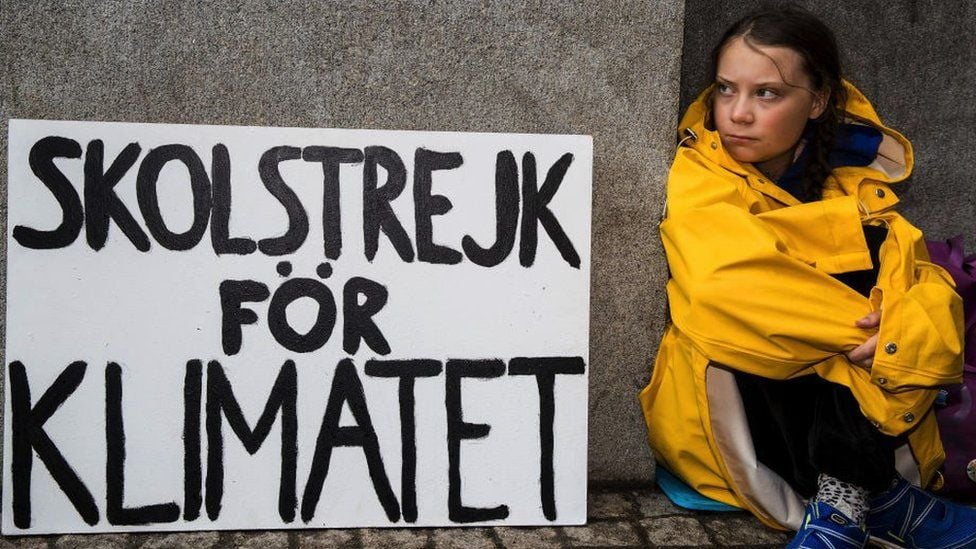
Climate activist Greta Thunberg has attempted to influence climate policy at a regional level by campaigning to the European Union (EU)
Beginning in 2018, Thunberg’s school strike movement spread across Europe and encouraged many young people to demand stronger climate action from European leaders
Thunberg has spoken directly to EU institutions, including the European Parliament, urging politicians to adopt more ambitious targets to reduce carbon emissions
She has argued that EU policies should align more closely with scientific advice on limiting global warming
Her activism helped increase public pressure on EU leaders and contributed to greater political attention on climate change within Europe
Although the EU has introduced policies such as the European Green Deal, critics argue that current measures still fall short of the emissions reductions scientists recommend.
Interactions within the state
Within the state, the government of the state has more control over the actors and determines their power to interact with the political issue
The system of government impacts the agency of non-state actors
States can decide what happens within their own borders and can decide to enforce environmental regulations or ignore them.
NGOs can only operate within a state if legally allowed to do so
Many single-party states restrict or prohibit NGOs
Climate change is a widely discussed within individual states
Private actors and members of civil society who are citizens and living within a democracy may encourage the state to address climate change.
Protest and resistance groups may protest and attempt to force the government to take action but only in a state that allows freedom of speech and assembly
Companies may oppose or comply with environmental policies depending on the will of the state
Some actors may take to social media to deny climate change or attempt to pressure states to take action in states where free speech is permitted
Case Study
Makoko Evictions in Lagos, Nigeria
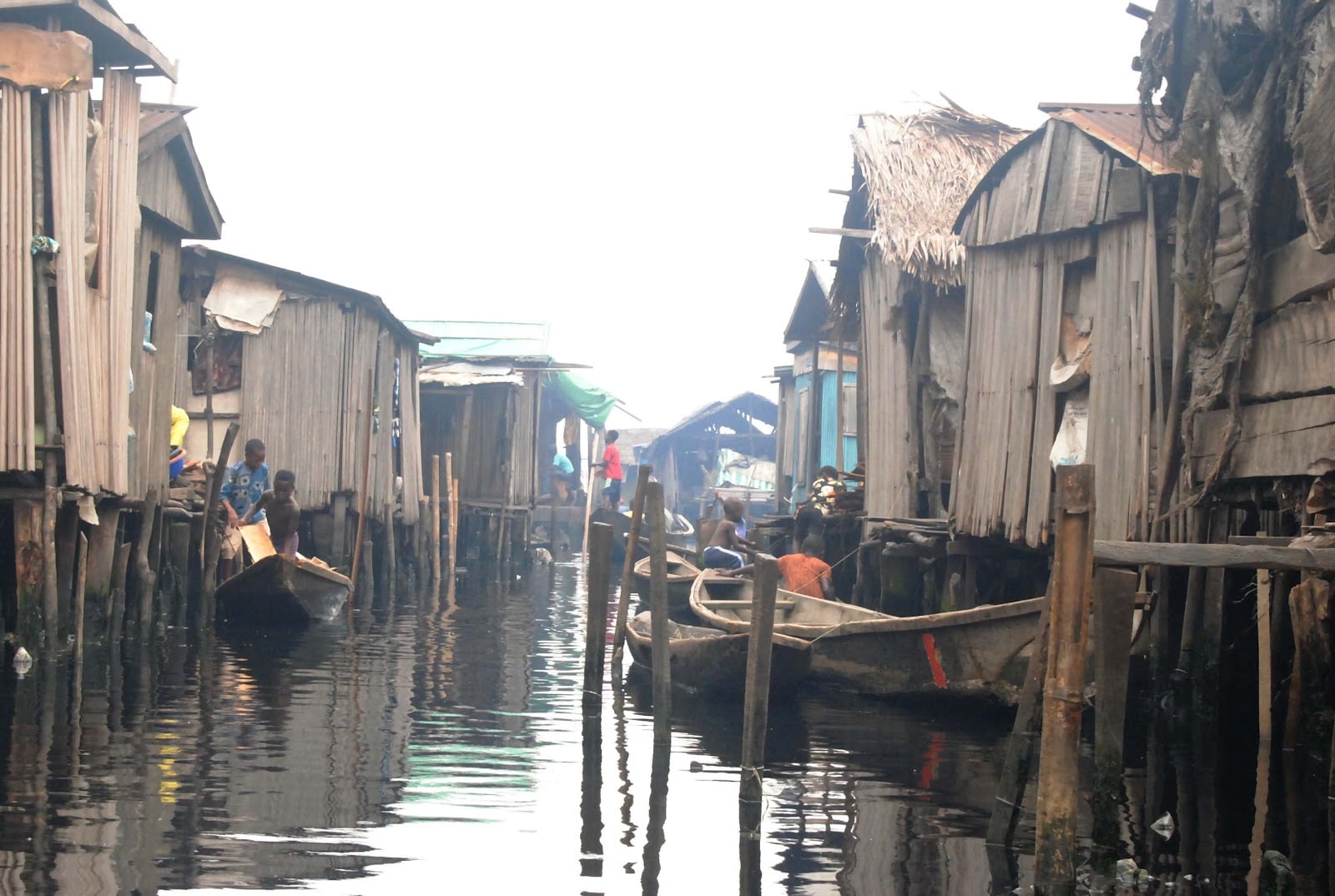
Makoko is a large informal settlement in Lagos, Nigeria, often called a floating city, where around 300,000 people live
Some government officials argue the area is unsafe due to poor sanitation and power lines over water
The government has proposed demolishing homes and relocating residents, claiming they will be supported to find affordable housing elsewhere
However, many residents and activists are sceptical.
Property developers are interested in redeveloping the valuable waterfront land into luxury housing
Some Lagos residents support redevelopment because they view Makoko as damaging the city’s modern image.
At the same time, NGOs, community groups and international media have criticised the evictions
They argue that demolitions could leave thousands of vulnerable residents homeless and have organised protests and media campaigns to defend the community.
As of 2026, evictions and political disputes over the future of Makoko continue.

Unlock more, it's free!
Join the 100,000+ Students that ❤️ Save My Exams
the (exam) results speak for themselves:

Was this revision note helpful?