Individual & Group Identities (AQA GCSE Citizenship Studies): Revision Note
Exam code: 8100
Individual identities
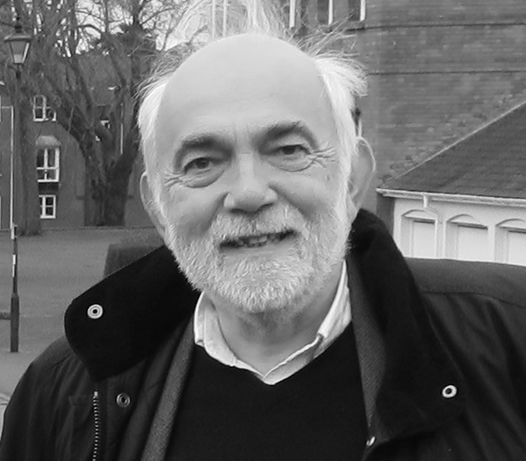
People have different identities that shape who they are and how they see the world
Identity can come from personal experiences, the groups we belong to, our nationality and even global issues that affect us all
Your individual identity is what makes you, you
It is shaped by a mix of factors that affects people differently
Examples of factors that shape individual identity include:
gender
family background
education
peer groups
ethnicity or race
religion or beliefs
where you were born and where you live
culture and traditions
social class
The idea of nature vs nurture is often used to explain identity
Nature = characteristics you inherit at birth
Nurture = how you are raised and the environment around you
Most people’s identity is a combination of both nature and nurture
Group identities
People also form identities through the groups they join or feel connected to
These groups can affect our beliefs, attitudes and behaviour
Examples include:
friendship groups (peer groups)
school or workplace communities
sports teams (e.g. being a strong supporter of a football club)
political, social or cultural groups
hobby or interest communities
Belonging to a group can give people confidence, influence their choices and shape how they behave in certain situations
National identities
A national identity comes from feeling you belong to a country
This identity can be held by
people born and raised in the country
people who move to the country and become citizens
National identity is not the same as stereotypes
It is about a sense of belonging, shared values and connection to national traditions
Examples include:
feeling patriotic during national events
celebrating national holidays
showing support for national sports teams
recognising shared history, culture or symbols (e.g. flags, monarchy)
Case Study
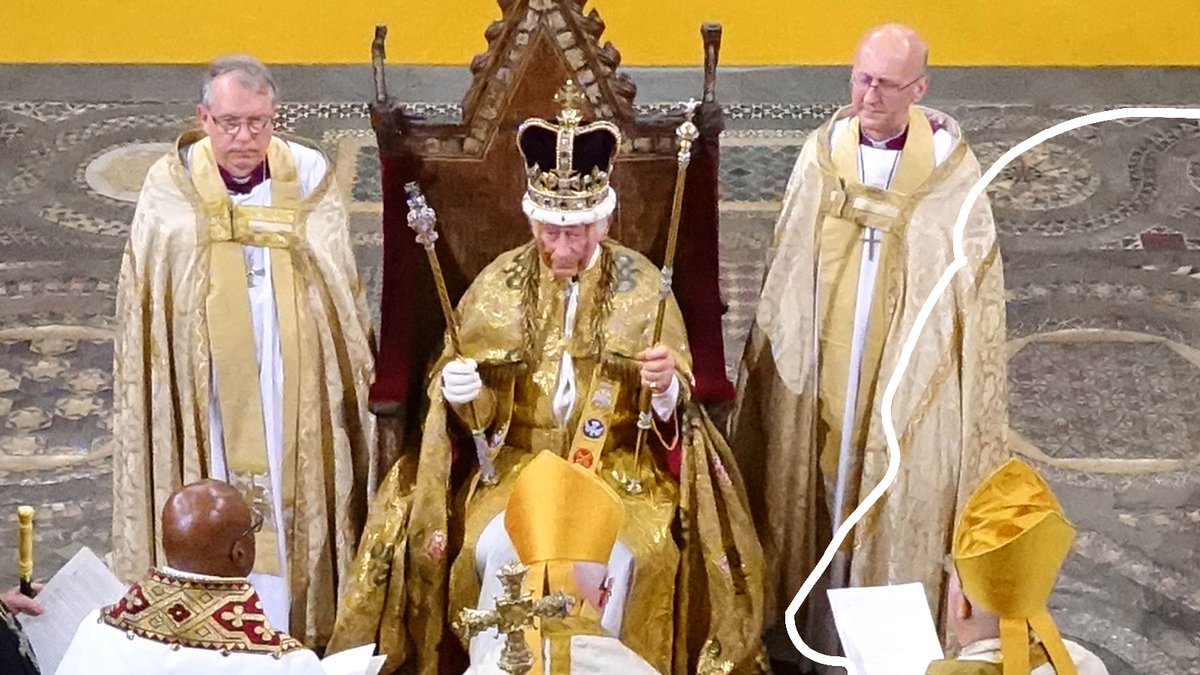
In May 2023, the UK held the Coronation of King Charles III, the first coronation in 70 years
It combined long-standing traditions with modern elements, making it a powerful moment for many people to reflect on what it means to be British today
Shared traditions
The coronation followed centuries-old customs, including the ceremony at Westminster Abbey
These traditions are part of the UK’s national story and often strengthen a sense of continuity and shared heritage
National symbols
The event featured well-known national symbols such as:
the Union Flag
the Crown Jewels
the national anthem
ceremonial roles like the Archbishop of Canterbury and the Household Division
These symbols are widely recognised and often linked with national identity
Collective participation
Millions of people took part in different ways:
watching the ceremony live on TV
attending local street parties
taking part in The Big Help Out, a nationwide volunteering event
These shared activities encouraged feelings of unity and belonging.
Diversity and modern Britain
The coronation also reflected today’s multicultural UK
Representatives from different faiths, regions and communities were involved in the ceremony
Music, readings and contributions from diverse groups showcased the idea that modern British identity includes people from many backgrounds
Public debate and different viewpoints
Not everyone felt the same way about the coronation
Some celebrated it as a symbol of stability and shared culture, while others questioned the cost, relevance or role of the monarchy
These debates also form part of national identity, showing that democracy and freedom of expression are key British values
Global identities
Because we live in a highly connected world, with 24-hour news, social media and worldwide communication, many people also feel a sense of global identity
This develops when individuals care about or identify with global issues, such as
climate change
environmental protection
global inequality
international human rights
worldwide social movements
Someone with a strong global identity may feel connected not just to their own country, but to people and issues around the world
Examiner Tips and Tricks
Remember: people have multiple identities at the same time – individual, group, national and global

Unlock more, it's free!
Join the 100,000+ Students that ❤️ Save My Exams
the (exam) results speak for themselves:

Was this revision note helpful?