NGO's & Humanitarian Crises (AQA GCSE Citizenship Studies): Revision Note
Exam code: 8100

The role of NGO's
Non-governmental organisations (NGOs) are independent bodies that are not controlled by governments
They play an important part in responding to conflicts, disasters and human rights issues around the world
What are NGOs?
Many NGOs are registered charities and may operate nationally (within one country) or internationally (across many countries)
Although independent, many NGOs receive government funding and often work alongside governments, the EU, the UN, or other international organisations
What NGOs do in international disputes
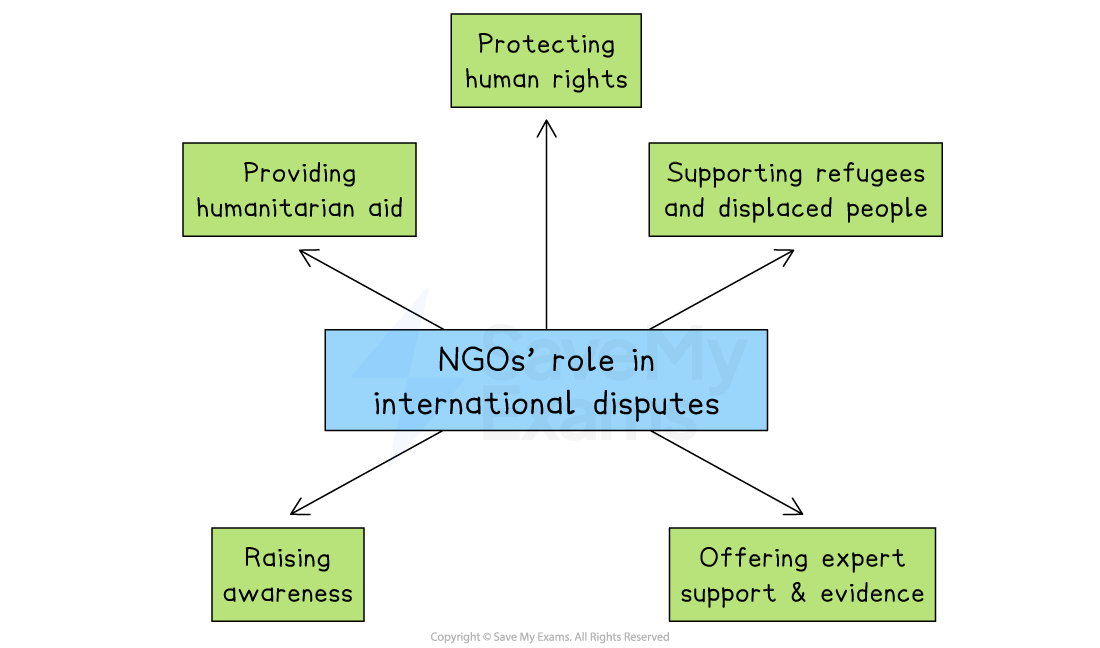
Providing humanitarian aid
NGOs often provide basics, such as food, shelter and medical support, during conflicts
E.g. The Red Cross provided emergency medical care and shelters for civilians during the Syrian civil war
Protecting human rights
NGOs report abuses and put pressure on governments to intervene
E.g. Amnesty International published reports on the treatment of political prisoners in Myanmar and pressured the government to release them
Supporting refugees and displaced people
NGOs provide advice and resources for those fleeing violence or persecution
E.g. The Refugee Council helps refugees arriving in the UK by providing housing and legal advice as well as language support
Raising awareness
NGOs launch campaigns and engage in global activism
E.g. Oxfam campaigns to highlight global poverty and inequalities through its Make Poverty History campaign
Offering expert support and evidence
NGOSs provide their expertise to international bodies such as the UN
E.g. Médecins Sans Frontières (Doctors Without Borders) giving medical evidence to the UN about health crises in conflict zones such as Yemen
The work of NGO's
The following case studies highlight the work of two international NGOs in providing humanitarian relief and supporting displaced persons
Case Study
Save The Children in Yemen
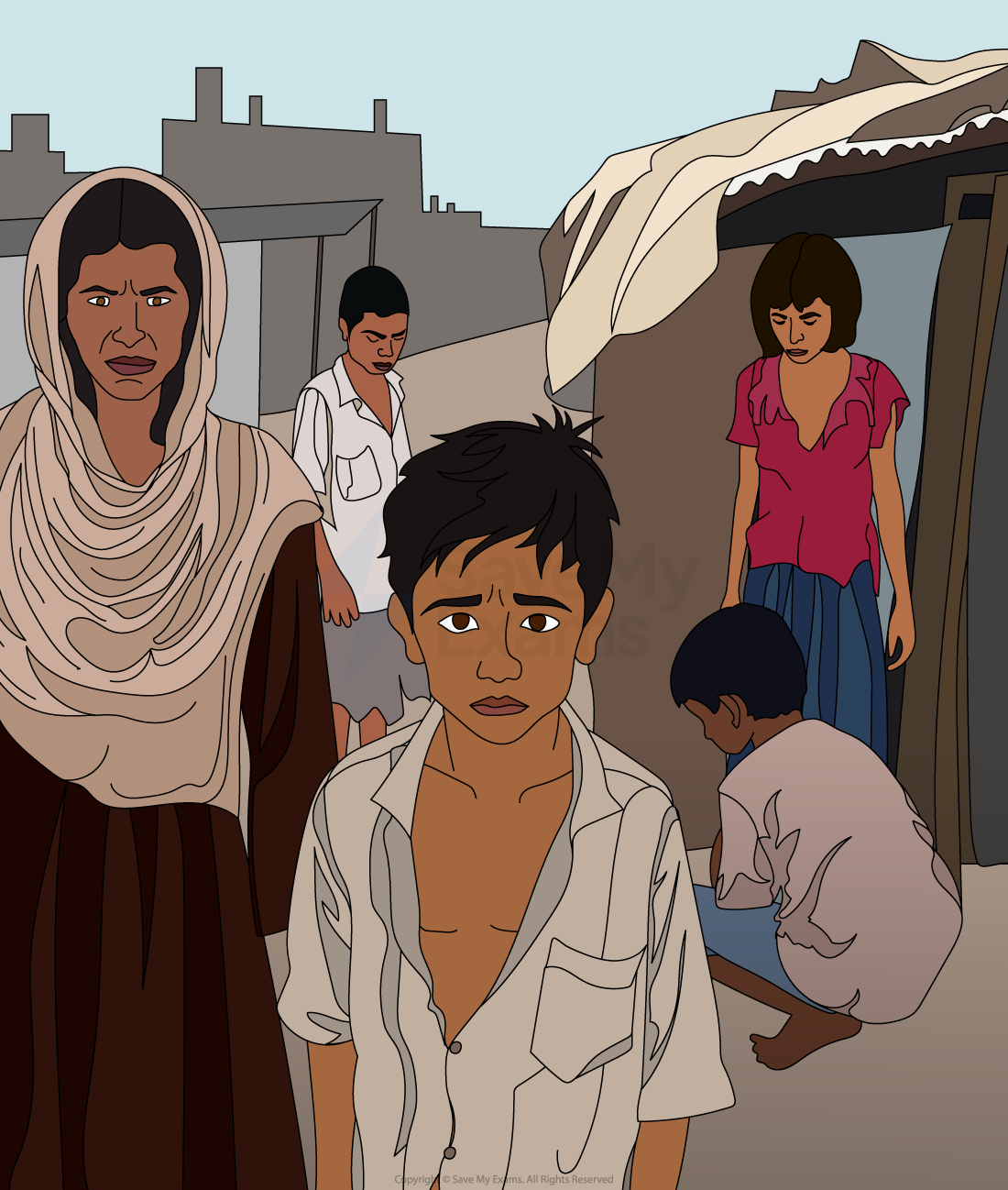
The long-running conflict in Yemen created severe shortages of food, clean water and medical care, especially for children
Many communities were cut off from hospitals and basic supplies due to ongoing fighting
How did Save The Children help?
Save the Children delivered essential food packages to families at risk of famine
It deployed mobile health clinics to treat sick and injured children in areas without functioning hospitals
The organisation provided clean water and sanitation equipment to reduce the spread of disease in conflict-affected regions
Case Study
WaterAid in South Sudan
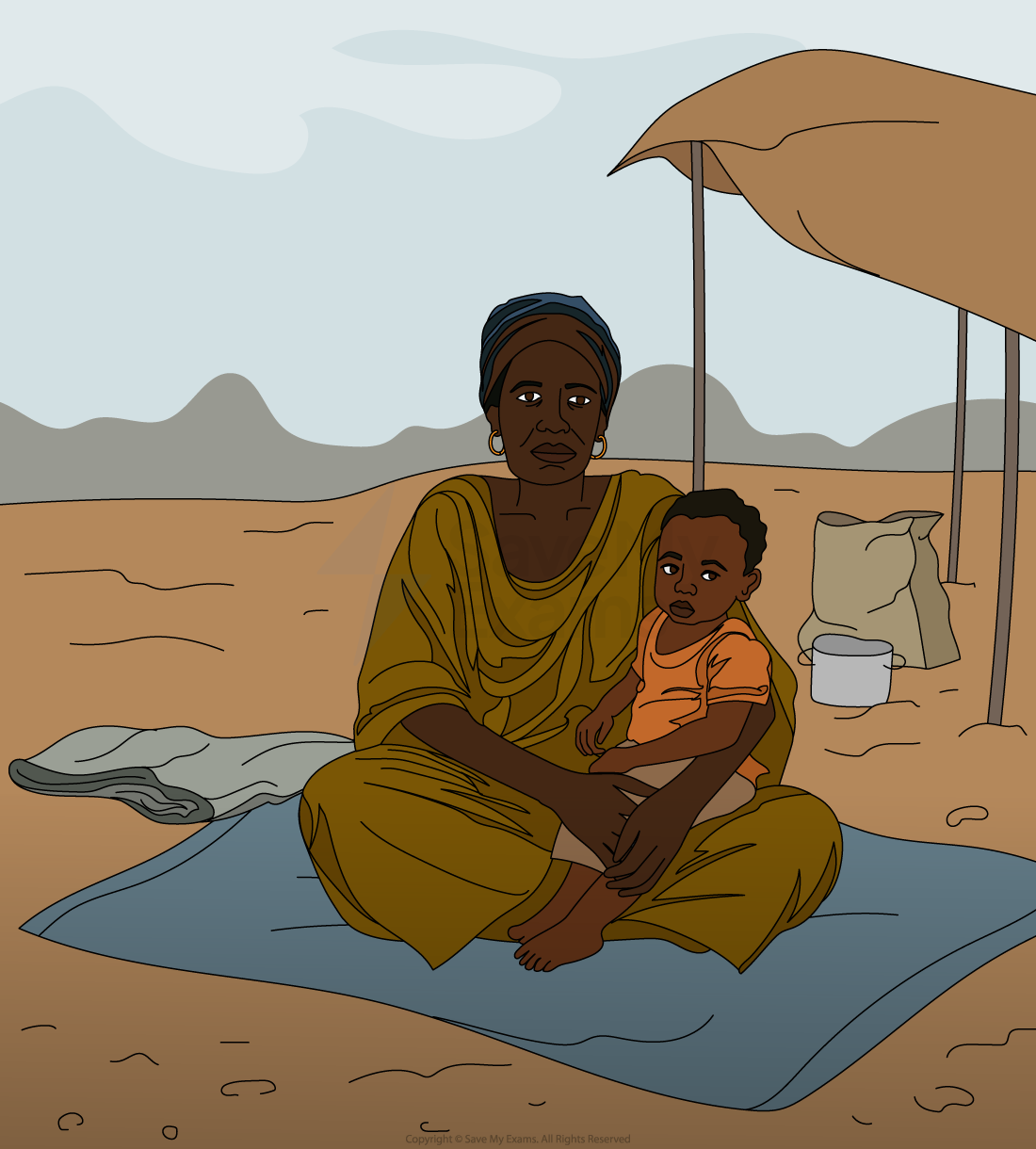
Violence in South Sudan forced thousands of families to flee their homes and live in temporary camps with poor facilities
Many camps lacked safe drinking water, increasing the risk of illness and infection
How did Water Aid help?
WaterAid installed emergency water pumps and tanks to give displaced people access to safe, clean water
It built toilets and washing facilities to improve sanitation and prevent outbreaks of disease
WaterAid distributed hygiene kits, including soap and water containers, to help families stay healthy in overcrowded conditions
Examiner Tips and Tricks
A common mistake is saying NGOs are part of governments or the UN. They are, in fact, independent
To gain marks, explain that NGOs work alongside governments and international organisations but are not controlled by them

Unlock more, it's free!
Join the 100,000+ Students that ❤️ Save My Exams
the (exam) results speak for themselves:

Was this revision note helpful?
