Rules & laws (AQA GCSE Citizenship Studies): Revision Note
Exam code: 8100

Nature of rules
Rules are ways to organise and control events within an organisation
Joining a group or organisation means you agree to abide by the rules of the organisation
Sanctions for breaking rules usually exist, and if you think you have been unfairly treated, you can use internal procedures and legal system to challenge the rules
Rules can usually be changed or amended by the members of the group or representatives of various groups coming together
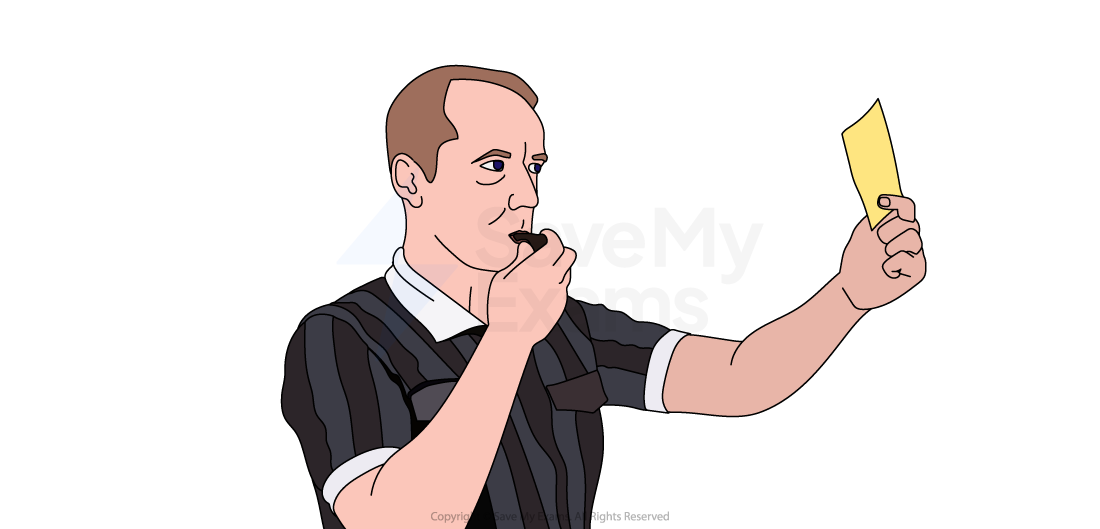
When playing football, you have to follow 'the rules of the game'
If you break the rules there are sanctions - two yellow cards and you are sent off
However, a football referee cannot walk down the street and give out red cards and expect the police to remove people
Schools have rules which relate to behaviour and a dress code
When you're at school, you are expected to wear the school uniform at all times
However, you couldn’t be challenged for not wearing the uniform when on holiday
Nature of laws
Laws are universal
They apply equally to everyone within a country
They have passed through a lengthy legal process within the parliamentary system to become Acts of Parliament
Courts have a duty to apply the law
Case law further defines and clarifies Acts of Parliament and is used in future cases to help juries and judges make consistent decisions
Trial by jury is a historic principle of English justice
People accused of a crime should be ‘judged’ by other citizens
The role of the judge in a jury trial is to explain key points of law to the jury and determine the sentence if the person is found guilty by the jury
Fairness, justice and discrimination
The legal system in the UK has been built around three core principles
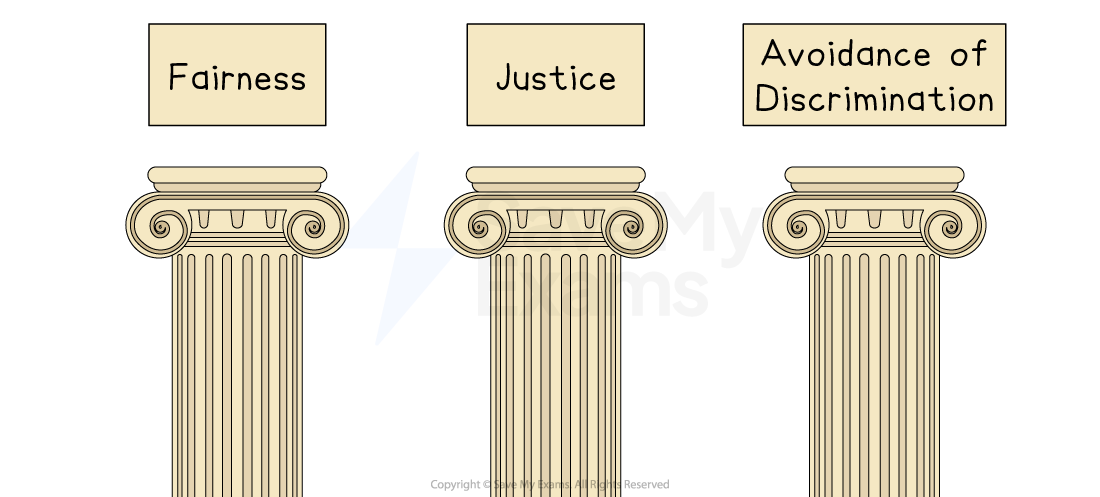
Justice relates to a legal system in which every person is treated equally and has full access to their legal rights
Fairness means that people are treated equally by the law and have the opportunity to present their case
Procedural fairness relates to the legal process - what happens during a criminal investigation and court case
Substantive fairness relates to the outcomes of a case
Avoidance of discrimination means treating everyone fairly and equally by not acting in a way that disadvantages people because of who they are
This element has evolved over time and continues to be developed
Some changes have occurred by changing attitudes in society, other changes by legislation
Examples include the role of women and their rights in society changing dramatically in the last two hundred years, recognition of the rights of children and the passing of laws regarding race relations
Examiner Tips and Tricks
A common mistake is mixing up rules and laws
Remember: rules apply only within organisations, but laws apply to everyone in the country and are enforced by courts
To gain marks, clearly explain this difference and use a simple example, like school rules versus criminal law, to show you understand the distinction

Unlock more, it's free!
Join the 100,000+ Students that ❤️ Save My Exams
the (exam) results speak for themselves:

Was this revision note helpful?
