How Citizens' Rights have Changed (AQA GCSE Citizenship Studies): Revision Note
Exam code: 8100

From Magna Carta to today
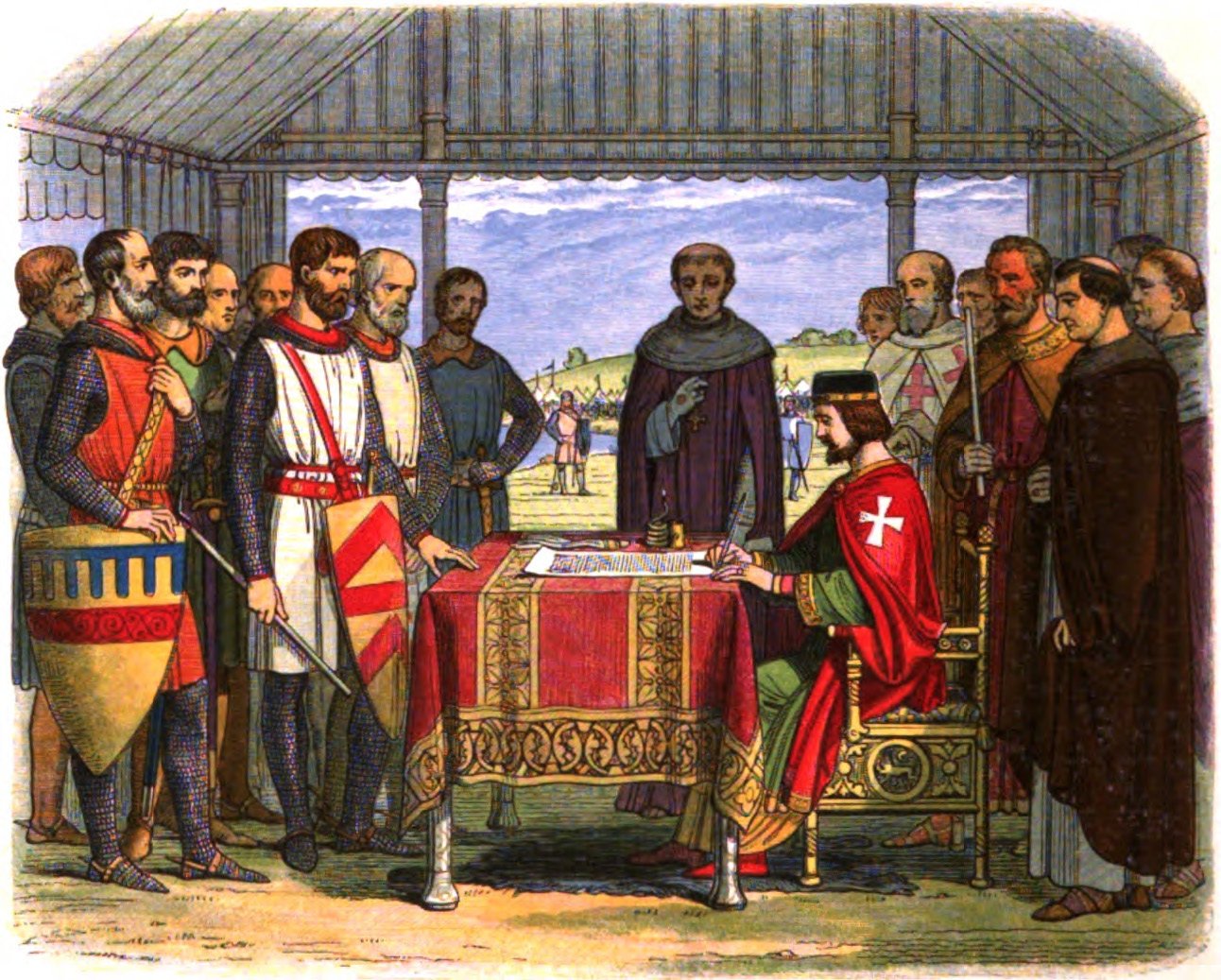
In 1215 the Magna Carta laid the foundations of basic legal rights, including
The right to a fair trial
The right to a trial by jury
Protection from unlawful arrest
After the establishment of Parliament, voting rights were extremely restricted for centuries
Only wealthy, male property owners could vote, meaning most men, all women, and the poor had no political voice
In the early 19th century religious, political and economic rights expanded
Roman Catholic men gained the vote in 1829, and there were major reforms to who could vote and how Parliament was represented
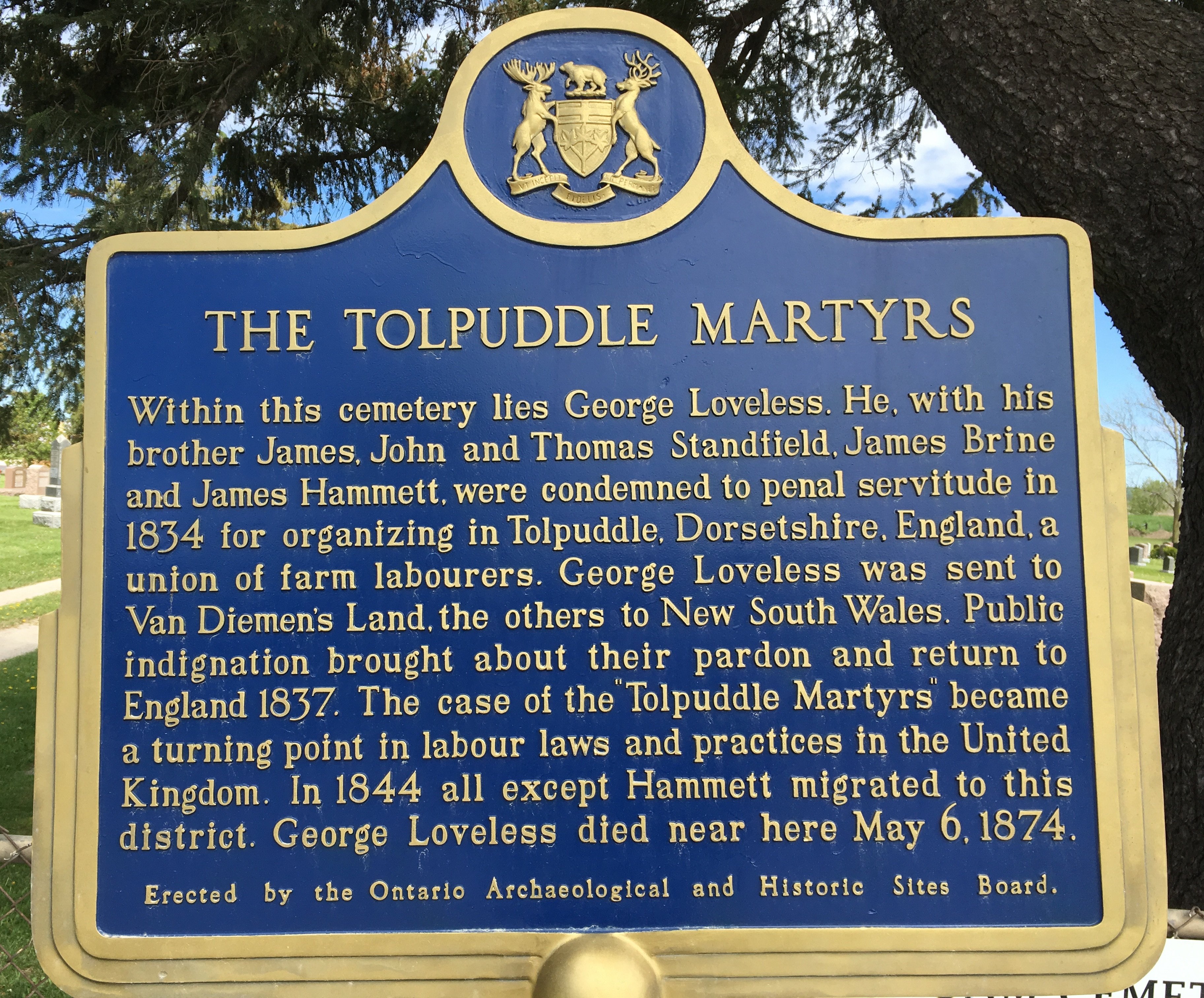
Workers gained the right to form and join trade unions, highlighted by the Tolpuddle Martyrs case
Case Study
The Tolpuddle Martyrs
The issue
The Tolpuddle Martyrs were six farm labourers from Dorset who formed a trade union to protest against low wages
In 1834, they were arrested and sentenced to transportation to Australia for taking an oath when joining the union, which was illegal at the time
The response
Their harsh punishment caused public outrage and led to large protests across the country
As a result, they were pardoned and allowed to return home, helping to strengthen support for trade union rights and the development of workers’ economic rights in the UK
In the 20th century political and welfare rights developed
In 1918 women aged 28 and over gained the right to votes for women
Equal voting rights for men and women at 21 came in 1928
The voting age was lowered to 18 in 1971
Citizens expected the state to provide services like education, healthcare, pensions and unemployment benefits
In the late 20th–21st century personal and equality rights expanded, including
Equal pay
Equal opportunities
LGBTQ+ rights
Civil partnerships and same-sex marriage
The Human Rights Act (1988) (HRA) outlined the relationship of the state to the individual and the rights of the individual in law
These rights were further developed through the Equality Act (2010)
In the present day there are growing demands for
Rights linked to global and environmental issues, reflecting modern challenges such as climate change
Lowering the voting age to 16
Improved human rights
Examiner Tips and Tricks
When using historical examples, don’t just retell the story - explain the impact
For example, show how the Tolpuddle Martyrs helped strengthen trade union rights, or how voting reforms widened democracy
Linking events to lasting change is what earns marks

Unlock more, it's free!
Join the 100,000+ Students that ❤️ Save My Exams
the (exam) results speak for themselves:

Was this revision note helpful?
