Institutions of the British Constitution: Monarchy and the Judiciary (AQA GCSE Citizenship Studies): Revision Note
Exam code: 8100
The monarchy
The UK is a constitutional monarchy, which means the monarch is Head of State, but their powers are limited by law
Day-to-day political power is exercised by Parliament and the government, not the monarch
Over time, many of the monarch’s powers have been transferred to elected bodies
This helps ensure democracy and accountability
The monarch still carries out important ceremonial and constitutional roles
The King gives Royal Assent to all new laws
By constitutional convention, Royal Assent is always granted
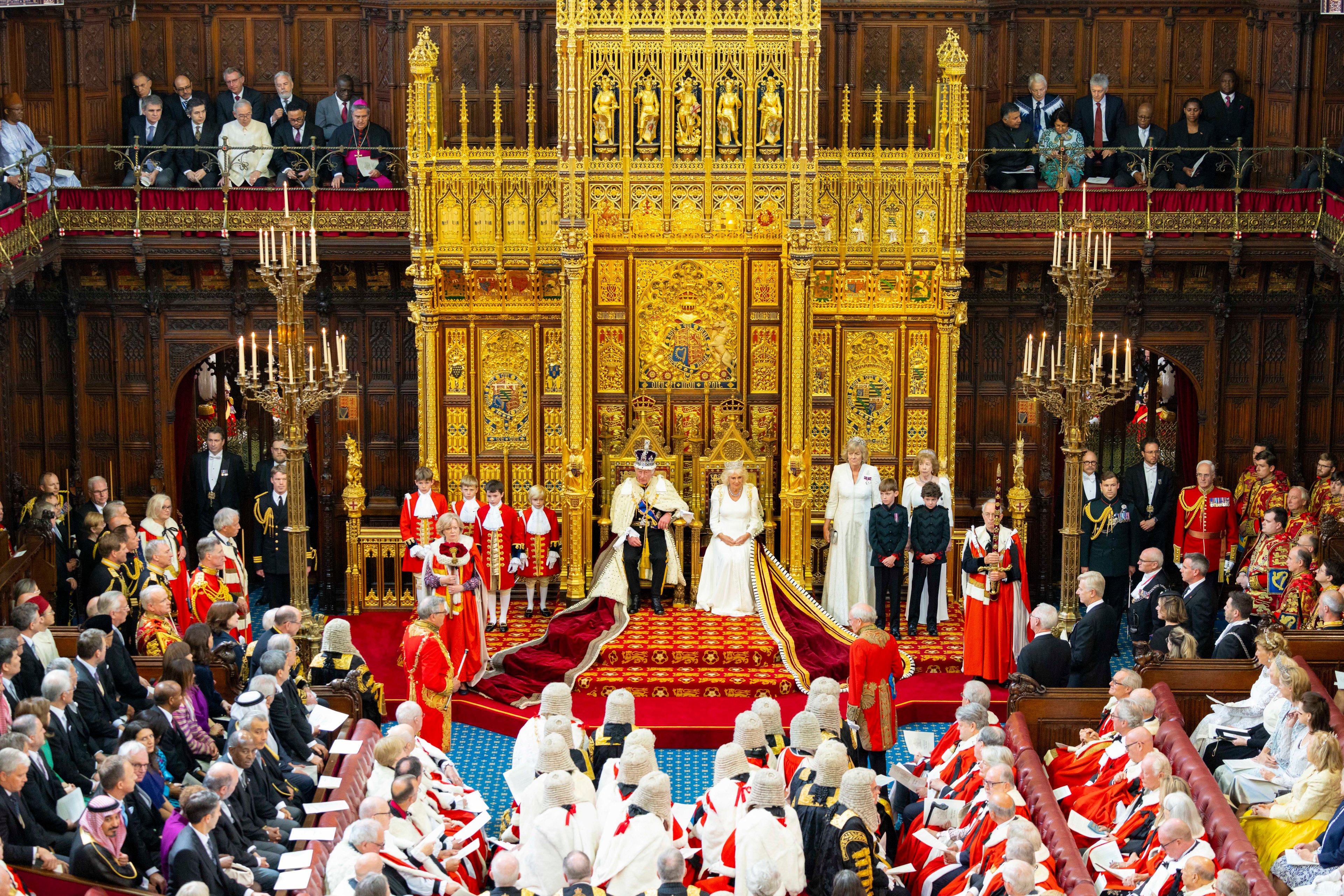
The King opens Parliament each year and delivers the King’s Speech
This speech is written by the government and outlines its plans for the year
The monarchy is often seen as a symbol of national identity, tradition and stability
Supporters argue it provides continuity and unity
Critics question whether having an unelected, hereditary Head of State is appropriate in a modern democracy
The judiciary
The judiciary refers to the system of judges and courts in the UK
Judges interpret and apply the law and ensure justice is delivered fairly
The UK judiciary is independent from the government
This independence is essential for the rule of law
Judges in the UK are appointed, not elected
They are chosen based on experience and qualifications, not political views
Judges usually serve until retirement, making it difficult for politicians to remove them
This system contrasts with countries such as the United States
In the USA, many judges are elected or appointed for fixed terms.
This can make judicial roles more political
The UK system aims to ensure judges remain neutral, independent and impartial
Further information on the courts system in the UK can be found here
Examiner Tips and Tricks
A common mistake is saying the monarch or judges “rule” the country - they do not
Explain that the monarch’s role is mainly ceremonial and that judges interpret the law independently, while real political power sits with Parliament and the government

Unlock more, it's free!
Join the 100,000+ Students that ❤️ Save My Exams
the (exam) results speak for themselves:

Was this revision note helpful?