The British Constitution & Change (AQA GCSE Citizenship Studies): Revision Note
Exam code: 8100

The nature of the uncodified British constitution
A constitution is a set of rules that state how a state is managed and organised
Many countries have a written constitution
It is set out in a formal document which explains how it can be changed or amended
E.g. The USA has a written constitution dating from 1789 that has been subsequently amended 27 times
Some countries, including the UK, have an unwritten, uncodified constitution
There is no single set document, but there are laws, procedures and conventions
Examiner Tips and Tricks
A common misconception is that the UK’s uncodified constitution means there are no rules
That’s wrong - the rules exist in laws, conventions and court decisions, just not in one document
Explain that flexibility is a strength, allowing the constitution to change through Acts of Parliament and court rulings
How the constitution copes with change
An uncodified constitution is flexible, so it can be adjusted or adapted from time to time without a complex process
Several changes to the UK's constitution in recent years
Recent constitutional change in the UK
These changes have come about through the introduction or amendment of legislation, and are integrated into what is considered the British constitution
Constitutional issue | Changes made |
|---|---|
Role of the judiciary |
|
Devolution |
|
Referendums |
|
Case Study
Reducing the voting age to 16
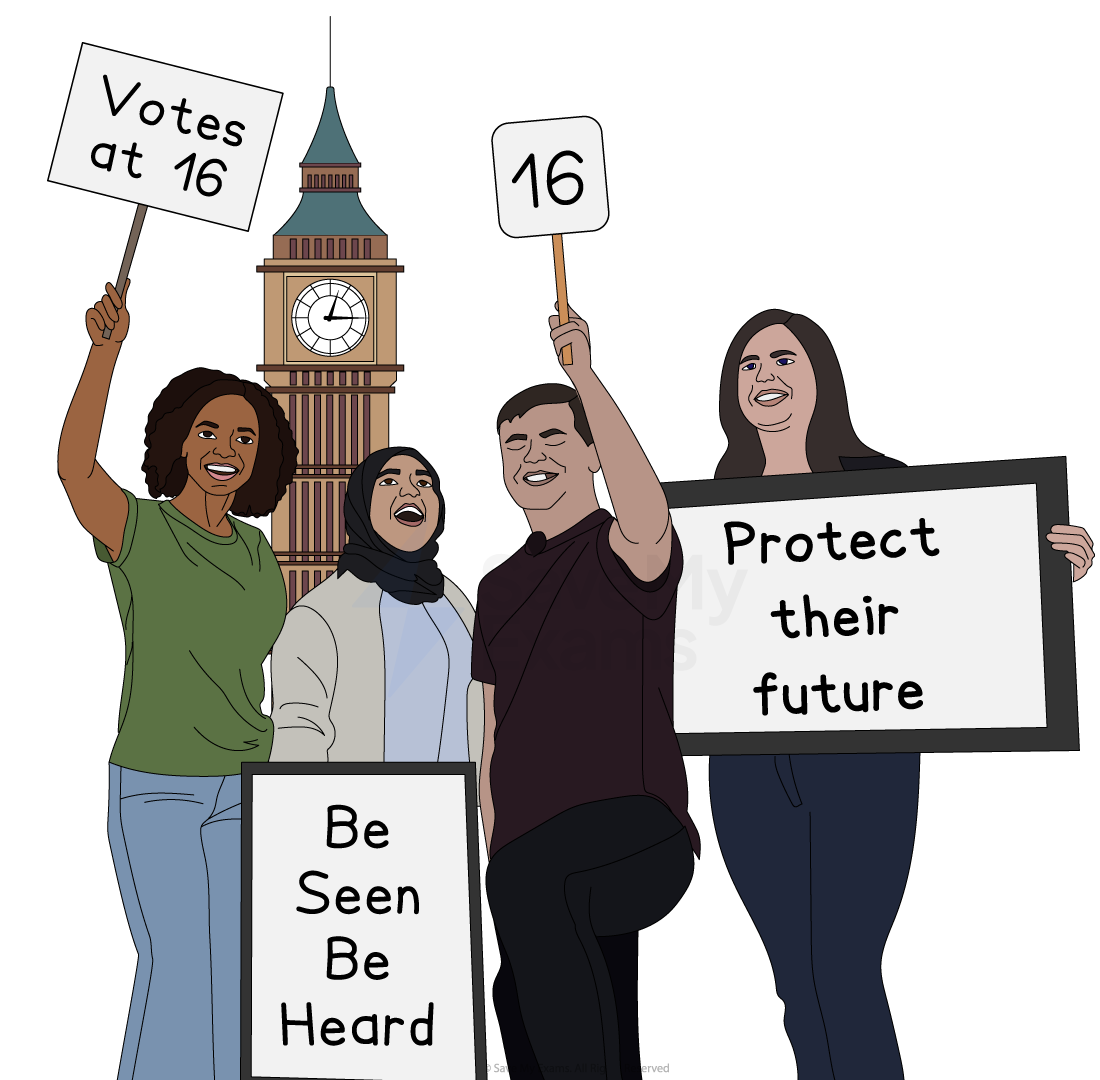
The debate
In the UK, the voting age for UK general elections is currently 18
However, 16- and 17-year-olds can already vote in Scottish Parliament and local elections, Senedd and local elections in Wales
This has led to debate about lowering the voting age to 16 across the whole UK
Legal changes required
To allow 16-year-olds to vote in UK general elections, Parliament would need to change election law, especially the Representation of the People Act
This would involve redefining who is legally eligible to vote and updating electoral registration systems to include younger voters
Impact on democracy
Supporters argue that votes at 16 would increase participation, help young people develop lifelong voting habits, and ensure that decisions affecting young people reflect their views
Critics argue that some 16-year-olds may lack political knowledge
However, evidence from Scotland shows that young voters can engage responsibly, suggesting the change could strengthen democracy by making it more inclusive

Unlock more, it's free!
Join the 100,000+ Students that ❤️ Save My Exams
the (exam) results speak for themselves:

Was this revision note helpful?