Values & Democracy (AQA GCSE Citizenship Studies): Revision Note
Exam code: 8100

Democratic rights
Democratic rights are the legal, political and social entitlements that allow citizens to take part in democracy and influence how they are governed
They ensure that power comes from the people, not from force or dictatorship
They help prevent abuse of power by making leaders answerable to citizens
Key terms
Vote: The right to choose representatives or decide an issue in an election or referendum
Accountability: The requirement for those in power to explain and justify their actions
Participation: Taking part in political activities, such as voting or campaigning
Examples in the UK
Citizens aged 18 and over can vote in general elections
People can stand for election to become MPs or councillors
Citizens can hold the government to account through petitions, peaceful protest, the media, and courts
Democratic responsibilities
Democratic responsibilities are the duties and expectations placed on citizens to help democracy work effectively
Without responsible citizens, democracy would not function properly
Jury service and paying taxes help maintain justice and public services
Key terms
Duty: Something citizens are expected or required to do
Civic responsibility: Acting in a way that supports society and democracy
Examples in the UK
Citizens are expected to obey the law
Adults must pay taxes, which fund public services such as schools, healthcare and policing
Citizens may be required to serve on a jury, helping ensure fair trials
Voting is not compulsory in the UK, but it is seen as an important responsibility
Freedoms
Freedoms are the rights to think, speak and act freely, as long as actions stay within the law
Freedoms are not absolute
Laws exist to protect others, such as laws against hate speech or violent protest
Key terms
Freedom of expression: The right to express opinions and ideas
Freedom of assembly: The right to gather and protest peacefully
Freedom of movement: The right to travel and live within the country
Examples in the UK
Freedom of the press allows journalists to report on government actions
Citizens can protest peacefully, such as at marches or demonstrations
People can move freely within the UK without restrictions
Equality
Equality means that every individual should be treated fairly and equally, regardless of personal characteristics
Key terms
Discrimination: Treating someone unfairly because of who they are
Protected characteristics: Features such as sex, race, disability, religion or sexuality
Development of equality in the UK
Women’s rights expanded with equal voting rights in 1928 and laws such as the Sex Discrimination Act
Racial equality developed through Race Relations Acts from 1965 onwards
Children’s rights were recognised when the UK accepted the UN Convention on the Rights of the Child in 1992
Sexual equality progressed with the Marriage (Same Sex Couples) Act 2013
Disability rights were strengthened by laws such as the Special Educational Needs and Disability Act 2001
Case Study
Equality Act 2010
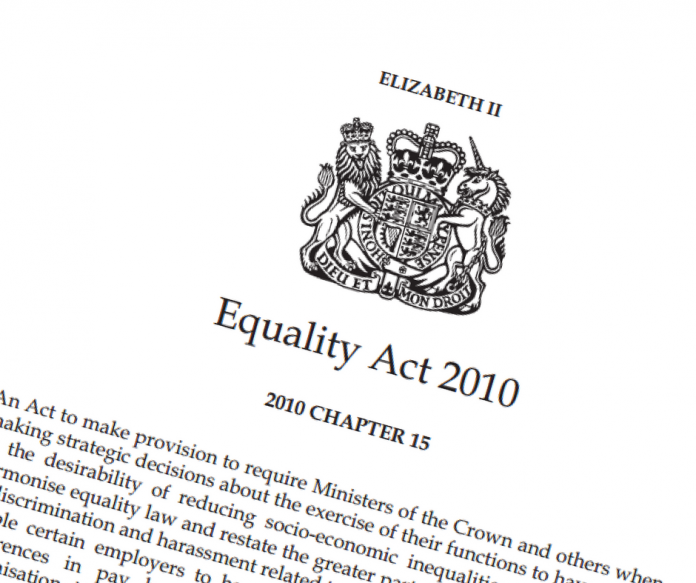
Why it was needed
Before 2010, equality law in the UK was spread across many different Acts, which made it confusing to understand and apply
Different groups were protected in different ways, leading to inconsistent levels of protection
The government wanted a single, clear law to make rights easier to enforce and understand
This helped ensure fair treatment across workplaces, schools and public services
What the Equality Act 2010 includes
The Act brought earlier equality laws together into one piece of legislation
This made discrimination law clearer and more consistent
It protects people with nine protected characteristics
These include age, disability, race, sex, religion or belief, and sexual orientation
The Act makes discrimination illegal in key areas of life.
These include employment, education, housing and access to goods and services
Organisations must make reasonable adjustments for disabled people.
This ensures disabled people are not put at a disadvantage
How it is applied
In the workplace, an employer cannot refuse to hire or promote someone because of a protected characteristic
For example, refusing a job because of a disability would be unlawful
If discrimination occurs, individuals can take legal action through a tribunal or court
Rule of law
The rule of law means that everyone is equal before the law, including the government and those in power
The rule of law prevents abuse of power
It protects citizens’ rights and ensures fairness and justice in society
Key terms
Judiciary: Judges and courts that interpret and apply the law
Independent judiciary: Judges are free from government control
Due process: Fair and open legal procedures
Key principles
The law applies to everyone, regardless of wealth or status
Courts must be independent so judges can make fair decisions
Citizens must have equal access to justice, such as the right to a fair trial
Examiner Tips and Tricks
In exam answers, don’t list democratic rights, responsibilities and freedoms separately without linking them
Examiners reward answers that show balance
For example explaining that freedoms exist alongside responsibilities, and are limited by the rule of law to protect others
Making these links helps you move beyond description and gain higher marks

Unlock more, it's free!
Join the 100,000+ Students that ❤️ Save My Exams
the (exam) results speak for themselves:

Was this revision note helpful?