Devolved Power in the UK (AQA GCSE Citizenship Studies): Revision Note
Exam code: 8100

An introduction to devolution in the UK
Devolution involves the transfer of power and decision-making from central government to regional and local bodies
This process has aimed to make government more responsive to local needs
Greater powers have been given to devolved administrations in Scotland, Wales and Northern Ireland
English regions have also gained more power through directly elected mayors and combined authorities
Devolved power in Scotland
Scotland has a Scottish Parliament with extensive law-making powers
It also has limited tax-raising powers, making it one of the most devolved parts of the UK
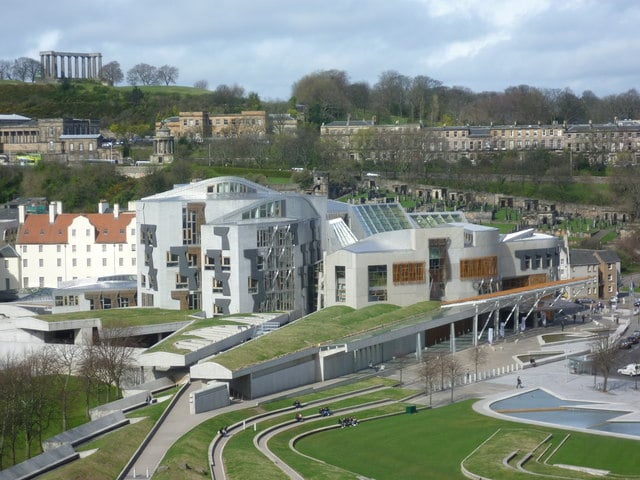
The Scottish Parliament sits in Edinburgh, in the Scottish Parliament Building at Holyrood
It is made up of 129 Members of the Scottish Parliament (MSPs), who are elected to represent people across Scotland
Devolved powers
The Scottish Parliament controls:
Justice and policing
Social security
Health and education
Local and national elections
Equal opportunities
Abortion law
It also has powers over certain taxes and economic issues, including:
Stamp Duty
Landfill tax
Air Passenger Duty
Onshore oil and gas extraction
Local government
Scotland has 32 single-tier councils
These organisations, such as Glasgow City Council, provide all local services
Scotland also has community councils.
These are similar to parish councils but are mainly advisory with limited legal powers
Devolved power in Wales
Wales has a devolved parliament called the Senedd
It can legislate on any issue not specifically reserved to the UK Parliament
This brought Wales in line with Scotland and Northern Ireland
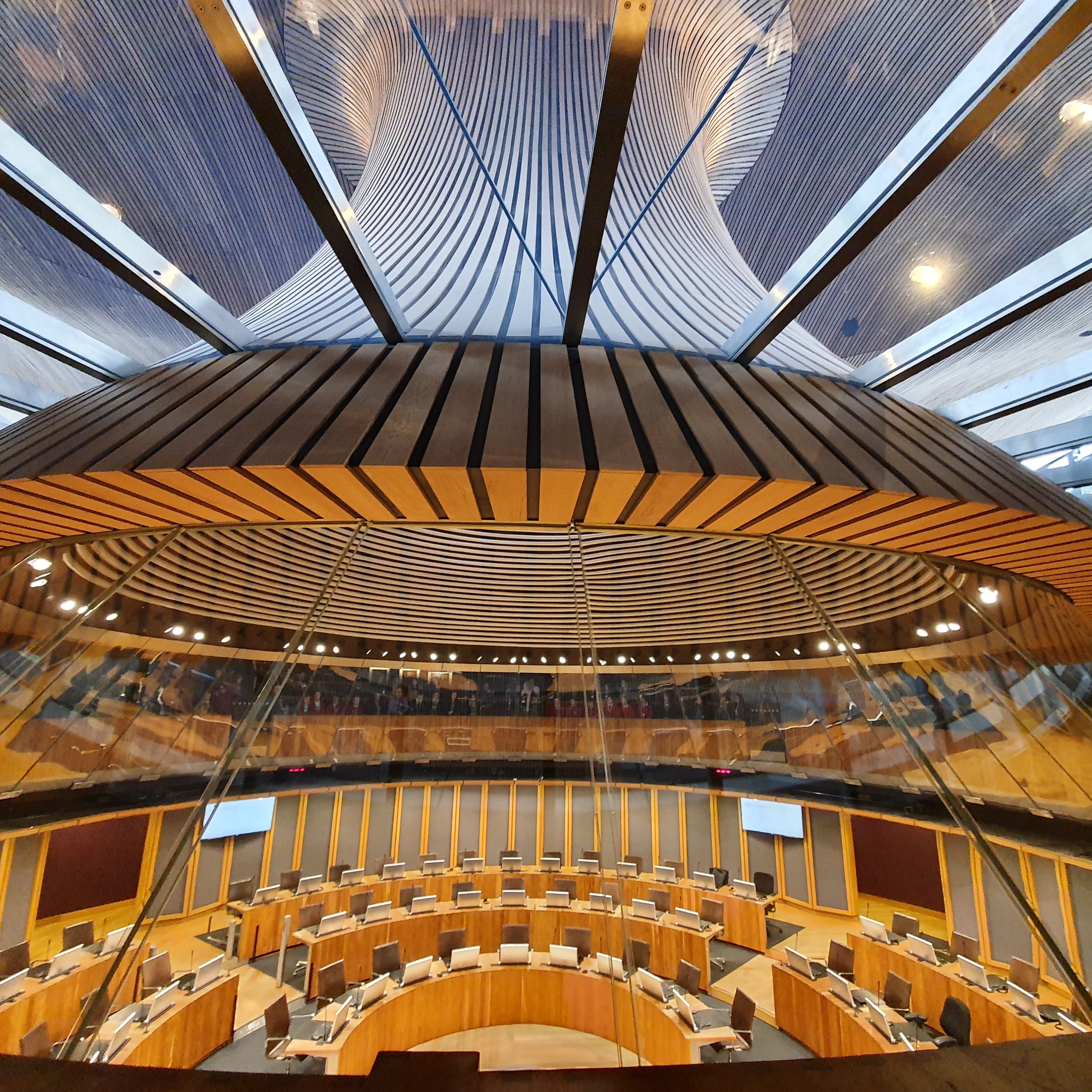
The Welsh Parliament sits in Cardiff
It is made up of 60 Members of the Senedd (MSs), who are elected to represent people across Wales
Devolved powers
The Senedd has powers over:
Health, education and transport
Welsh language policy
Road signs and speed limits
Welsh elections
Equal opportunities
It also has powers over:
Onshore oil and gas
Landfill tax
Stamp Duty
Local government
Wales has 22 unitary authorities, such as Cardiff City Council
Below this are around 730 community and town councils
These have a similar role to parish councils in England
Devolved power in Northern Ireland
Northern Ireland has a high level of devolution, including areas not devolved elsewhere
It has a devolved Assembly with law-making powers
The Assembly must operate as a multi-party power-sharing government
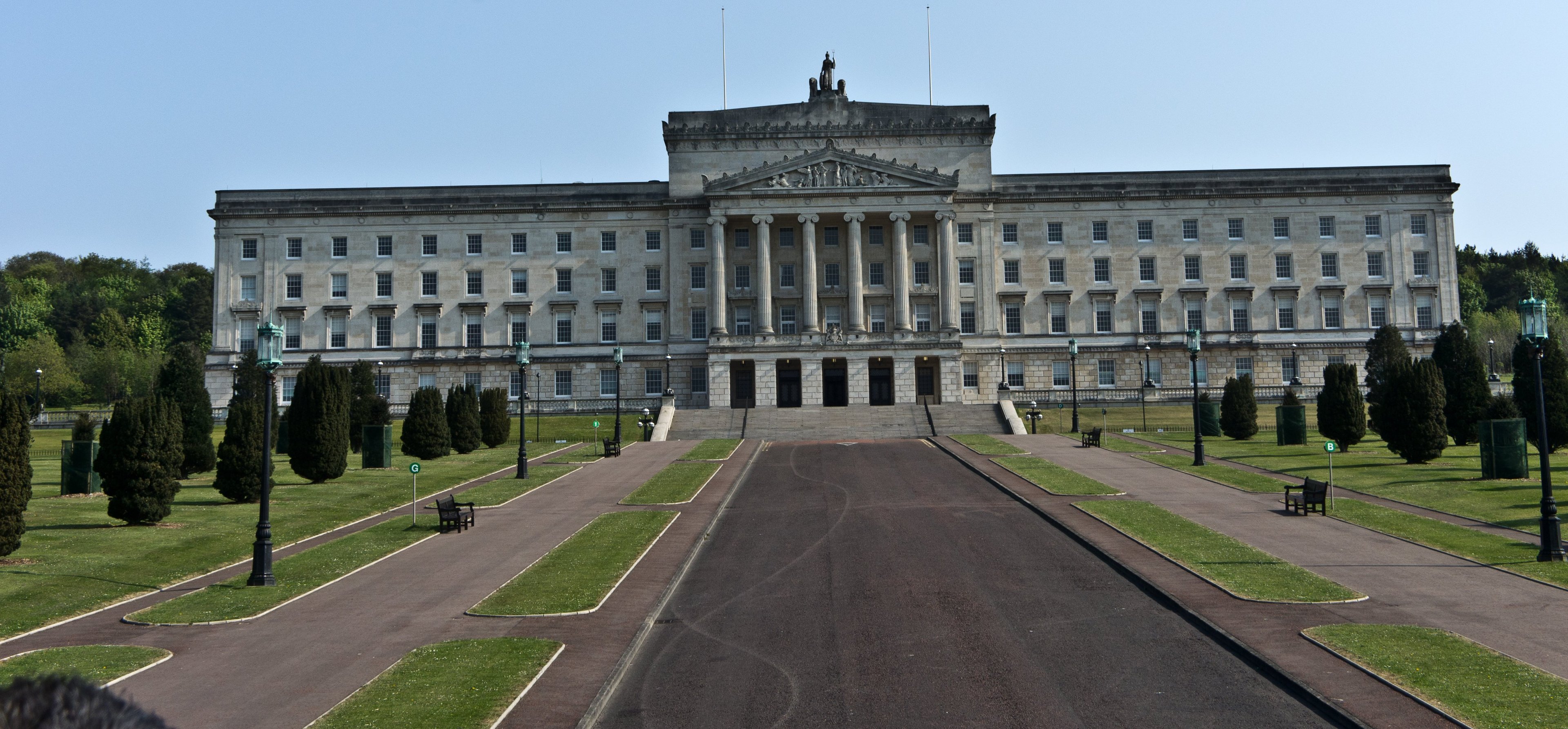
The Northern Ireland Assembly sits at Stormont in Belfast
It is made up of 90 Members of the Legislative Assembly (MLAs), who are elected to represent people across Northern Ireland
Devolved powers
The Assembly has powers over:
Justice and policing
Employment law
Social security and child support
Energy policy
Charity law
Equal opportunities
Air Passenger Duty
Local government
There are 11 unitary district councils
These councils, such as Belfast City Council, provide local services such as planning, waste and leisure
Devolved power in England
England does not have its own devolved parliament or assembly
The UK Parliament at Westminster makes laws for England as well as the whole UK
Regional and local powers
Strategic Mayoral Authorities (Combined Authorities) operate in some English regions
They have powers over transport, housing, economic development and skills
Police and emergency services
Police forces operate regionally and are now increasingly overseen by directly elected mayors
Health
The NHS in England is managed nationally but delivered locally through NHS bodies
Local government
England has unitary authorities, which provide all local services in their area.
Below this level are town and parish councils, which deal with very local issues
Case Study
The Greater Manchester Combined Authority
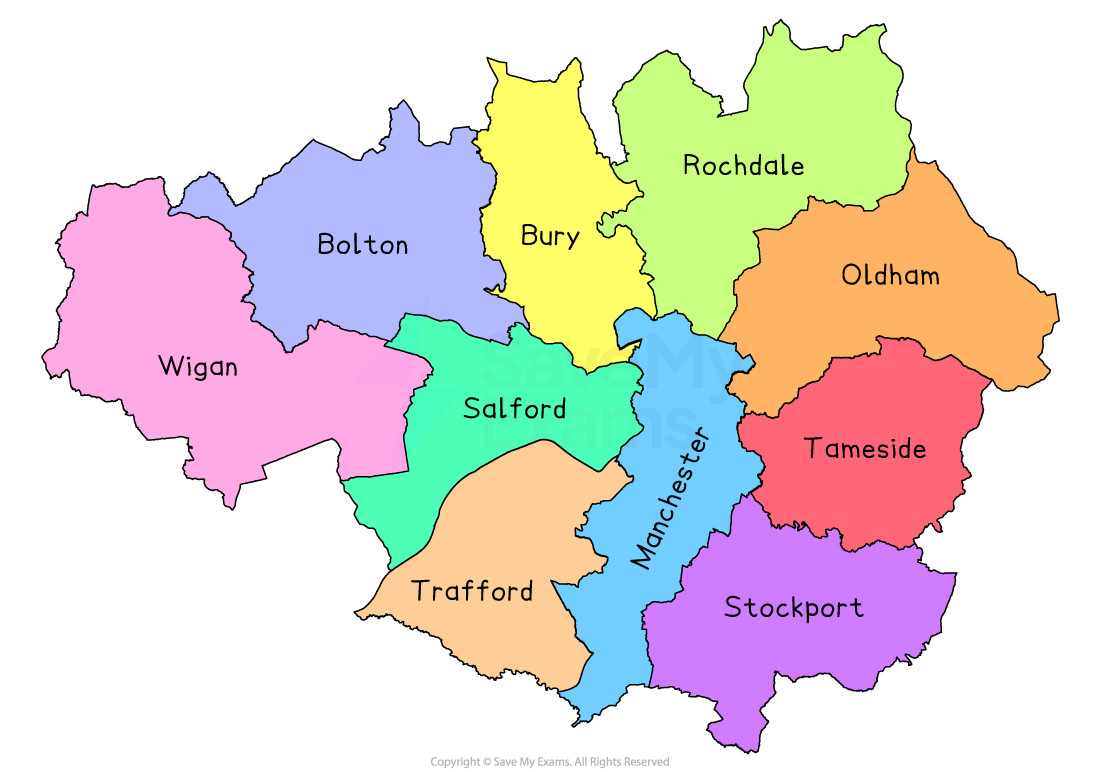
What is the GMCA?
The Greater Manchester Combined Authority is a Strategic Mayoral Authority made up of 10 neighbouring local councils
It was created to allow decisions about the region to be made closer to local people rather than by central government
Powers and responsibilities
The GMCA is led by a directly elected Mayor of Greater Manchester, who works with the local councils
The authority has powers over transport, including buses and major roads, housing and planning, economic growth, and skills and employment
It also has responsibility for the police budget
Impact
Greater Manchester has used devolved powers to introduce bus franchising, improve transport links and coordinate economic development across the region
Examiner Tips and Tricks
To gain marks on devolution questions, avoid listing powers without context
Examiners reward answers that explain why devolution exists, such as making decisions closer to local people or reflecting regional differences
Linking powers to purpose shows stronger understanding

Unlock more, it's free!
Join the 100,000+ Students that ❤️ Save My Exams
the (exam) results speak for themselves:

Was this revision note helpful?
