Executive, Legislature, Monarchy & Parliament (AQA GCSE Citizenship Studies): Revision Note
Exam code: 8100

The role of the Monarchy
The UK is a constitutional monarchy with the King as the Head of State
King Charles III is the formal, symbolic leader of the country, while elected politicians run the government
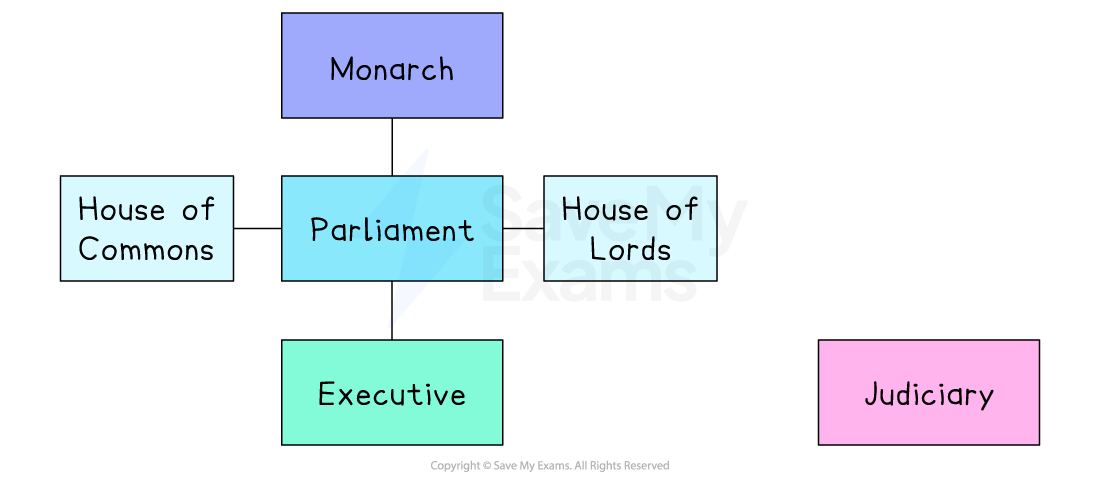
Laws are made by Parliament in the monarch’s name, and the monarch carries out key constitutional roles
Example include opening Parliament, appointing the Prime Minister and giving Royal Assent to laws
The Monarch is considered to be neutral and carries out their role on the advice of the government, ensuring democracy is respected
Other roles of the monarch
He agrees to the calling of a general election
He delivers the King's Speech to Parliament
He is also Head of State of 15 other Commonwealth countries
He agrees to the appointment of members of the House of Lords
He awards honours to citizens on the advice of the government
The role of Parliament
Parliament is the name given to the national institution made up of the House of Commons and the House of Lords
It is where important national decisions are debated and made
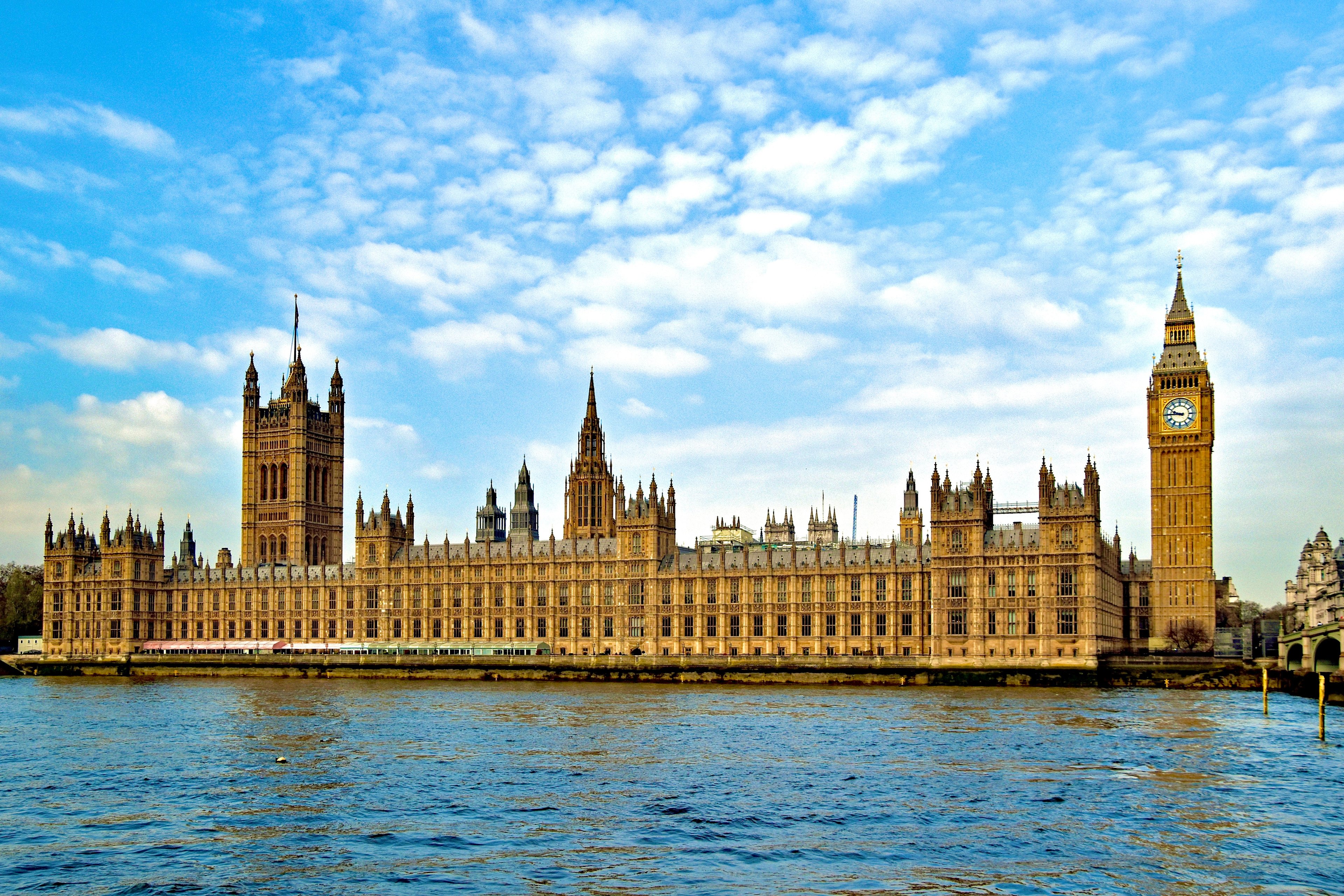
The UK has a bicameral Parliament, which means it has two chambers
The House of Commons is made up of elected MPs who represent constituencies
The House of Lords is made up of unelected members who examine laws in detail
A comparison of the House of Commons and House of Lords
House of Commons | House of Lords |
|---|---|
|
|
|
|
|
|
|
|
|
|
|
|
|
|
Parliament acts as the legislature, meaning it is the body that makes, debates and amends laws
For example, a new law about education or policing must be debated and approved by both Houses before it can become law
Parliament also has an important role in scrutinising the government
MPs question ministers, debate government policies and can vote against government proposals
The role of the Executive
The Executive is the part of government responsible for running the country on a day-to-day basis
It is made up of the Prime Minister, government ministers, senior civil servants, and political advisers
The Executive is responsible for developing government policy
For example, ministers decide plans for areas such as education, health or defence, which are then turned into laws by Parliament
The Executive is also responsible for putting laws and policies into action
Government departments, such as the Department of Health or the Home Office, are run by ministers and civil servants
The Executive plays a key role in crisis management
For example, during emergencies such as public health crises or national security threats, the Executive makes quick decisions to protect the public
Although powerful, the Executive is accountable to Parliament
Ministers must explain and justify their actions to MPs, helping to prevent misuse of power
The role of the Judiciary
In the UK, the judiciary (judges and courts) is independent of the government
Judges are appointed based on experience and ability, not politics, and usually remain in post until retirement
This independence helps protect the rule of law and ensures fair decisions
The creation of the UK Supreme Court in 2009 strengthened judicial independence
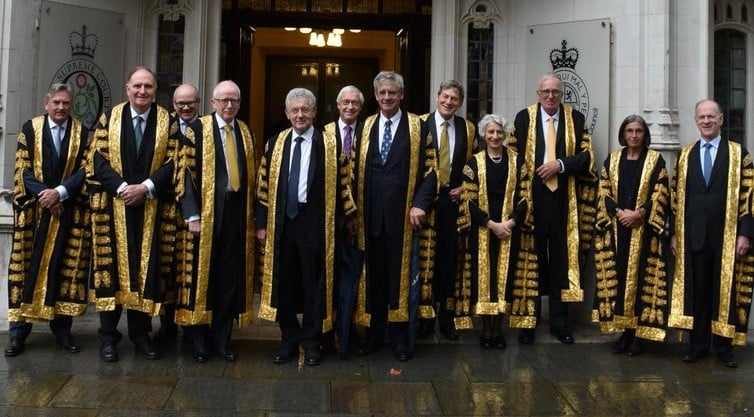
The Supreme Court is separate from Parliament and government
It can make important judgements about whether the government has acted lawfully
The Supreme Court can decide whether new laws are compatible with the Human Rights Act 1998
If a law breaches human rights, the Court can issue a declaration of incompatibility
Parliament then decides whether to change the law
The Supreme Court also oversees devolution arrangements
It can rule on whether laws passed by the Scottish Parliament, Senedd or Northern Ireland Assembly go beyond their powers
The Court played a major role during the Brexit process
In 2017, it ruled that Parliament must approve triggering Brexit
In 2019, it ruled that the government’s suspension of Parliament was unlawful
Examiner Tips and Tricks
A common mistake is saying the monarch makes political decisions
In exam answers, be clear that real power sits with Parliament and the Executive
Credit is gained by explaining that the monarch acts on advice and follows convention, especially for roles like Royal Assent and appointing the Prime Minister

Unlock more, it's free!
Join the 100,000+ Students that ❤️ Save My Exams
the (exam) results speak for themselves:

Was this revision note helpful?
