Government Formation (AQA GCSE Citizenship Studies): Revision Note
Exam code: 8100

How a government is formed
In the UK, governments are usually formed as a result of a general election, which determines which political party has the majority of MPs in the House of Commons
Dissolution of Parliament and the election period
When a general election is called, Parliament is dissolved
This means that all MPs stop being MPs
Former MPs then either stand down (retire) or stand as candidates in the election
The caretaker government
Government ministers remain in post during the election campaign
They continue to run their departments to ensure continuity of government
However, they avoid making major new decisions or policy changes
Although they are no longer MPs, they remain ministers until a new government is formed
Counting votes and declaring the result
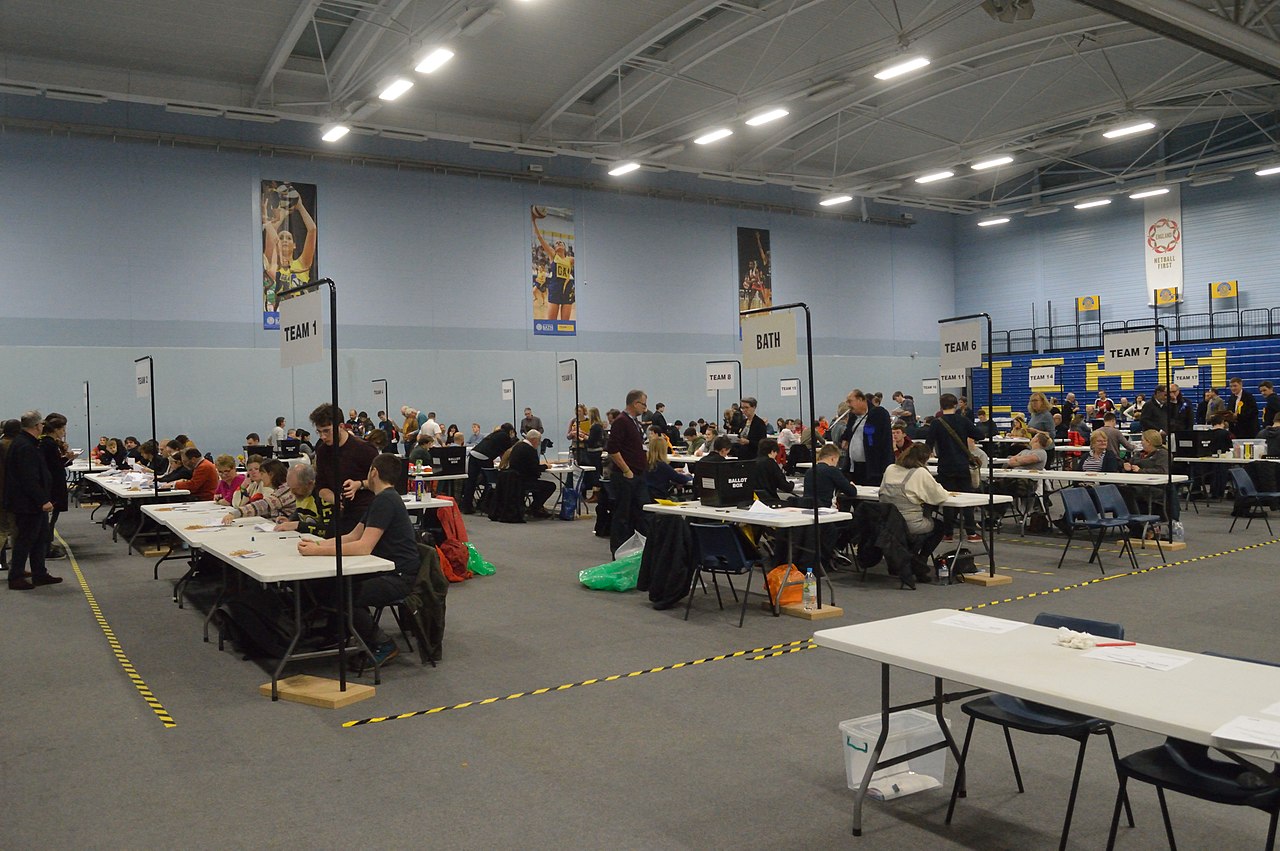
Votes are counted overnight, and the result of the general election is usually known within 24 hours of polling stations closing
Results are announced constituency by constituency across the country
As soon as one Party achieves a majority, the result is confirmed
The role of the monarch after an election
The monarch’s role is politically neutral and follows constitutional convention
After the election, the current Prime Minister visits the King
If the Prime Minister has won the election, the monarch asks them to form the next government
If the Prime Minister has lost the election, they advise the King on who is most likely to command the confidence of the House of Commons
This is normally the Leader of the Opposition, who is then invited to see the King
They formally accept the seals of office, which symbolise their authority.
They then return to 10 Downing Street, after the outgoing Prime Minister has already left
Examiner Tips and Tricks
To score well, describe the process in order: election → dissolution → caretaker government → monarch’s role → appointment of Prime Minister
Students often miss the caretaker stage or get the monarch’s role wrong
Hung parliaments and negotiations
If no single party wins a majority, the situation is known as a hung parliament
The existing Prime Minister may ask the King for time to negotiate with other parties
This can result in
A coalition government, where two or more parties share power
E.g. In 2010, no party won a majority, so the Conservative Party and Liberal Democrats formed a coalition government that lasted until 2015
A confidence and supply agreement, where smaller parties support the government on key votes
E.g. In 2017, the Democratic Unionist Party (DUP) agreed to support the Conservative government in return for additional funding for Northern Ireland
Forming a new government
Once appointed, the new Prime Minister begins forming a government
This involves appointing:
Cabinet ministers
Junior ministers
Whips
This can involve over 100 ministerial and other parliamentary appointments
These appointments usually take place within the first few days of the new government

Unlock more, it's free!
Join the 100,000+ Students that ❤️ Save My Exams
the (exam) results speak for themselves:

Was this revision note helpful?