The Organisation of Government (AQA GCSE Citizenship Studies): Revision Note
Exam code: 8100

How a government is organised
Government in the UK operates through a devolved structure
Responsibility for public services is shared between national, regional and local bodies
Central government | Devolved governments | Local government |
|---|---|---|
|
|
|
Central government departments (ministries)
Central government works through government departments, also known as ministries
Each department is responsible for a specific area of public policy and service delivery
For example, the Department for Work and Pensions (DWP) deals with benefits, pensions and employment support
The Prime Minister has the power to create, merge, rename or abolish departments
For example, the War Office was merged into the Ministry of Defence to bring all military services under one department
Leadership and organisation within departments
Each government department is led by a Secretary of State, who is a senior Cabinet minister
Secretaries of State are supported by a team of junior ministers, each with responsibility for specific areas
The most senior civil servant in each department is the Permanent Secretary
Permanent Secretaries oversee the department’s work and provide continuity when governments change
Below them are tiers of civil servants, who manage policy development and administration
Government delivery of public services
Public services are services provided or funded by the government to meet the needs of the population
Examples include
Healthcare, through the NHS
Education
Policing
Social care
Transport
Welfare benefits
Public services in the UK are delivered by a range of bodies, not just national, devolved or local government
These include:
Government agencies and non-departmental public bodies
The private sector
Voluntary sector organisations
The role of central government
Central government is responsible for setting national policy and priorities
It decides how services are funded
E.g. The Department of Health and Social Care sets policy for the NHS in England
It also decides national standards and targets
E.g. The Home Office sets national policing priorities
The role of devolved governments
Devolved governments manage many public services in their areas
For example, health and education decisions are devolved to Scotland, Wales and Northern Ireland
This allows services to be:
Tailored to local needs
Delivered differently in each nation
Case Study
University tuition fees in Scotland
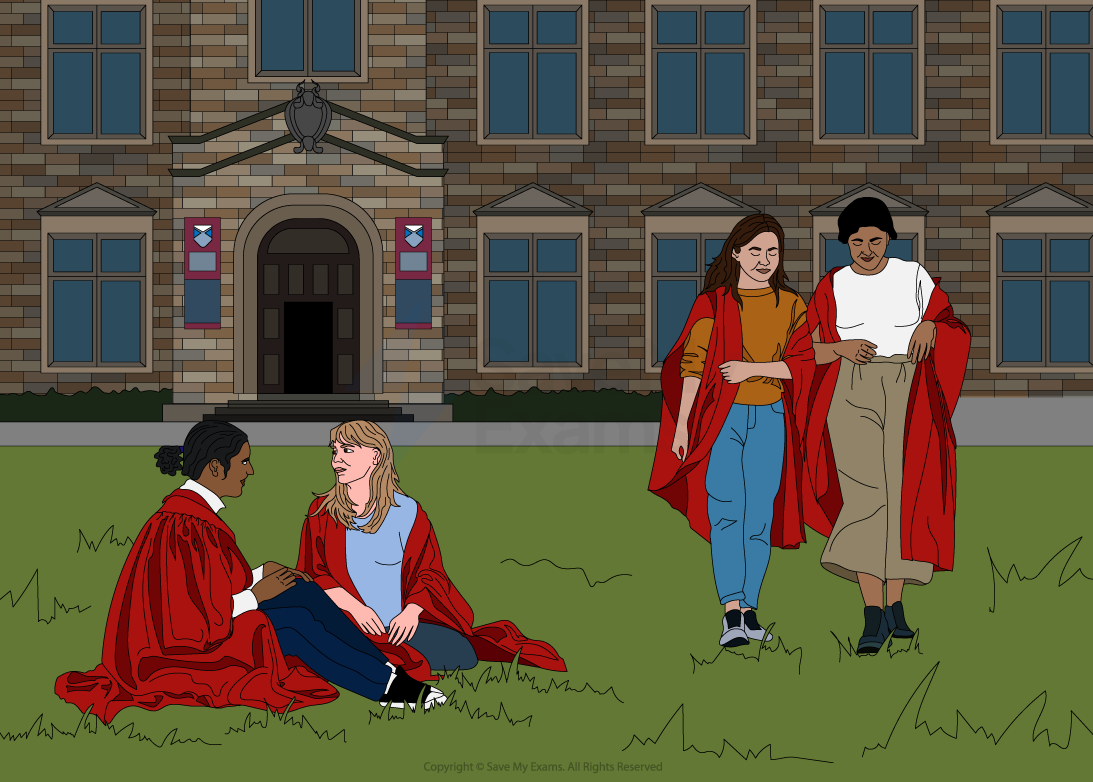
Funding differences
University education is devolved, which means the Scottish Government can make its own decisions about it
Scottish students who study at Scottish universities do not pay tuition fees
In England, students can be charged up to £9,250 per year
This means Scottish students usually leave university with less debt
Why Scotland chose this system
The Scottish Government believes free tuition makes education fairer and helps more young people go to university
The role of local government
Local authorities deliver many day-to-day public services.
These include:
Schools and children’s services
Adult social care
Housing and homelessness services
Waste collection and recycling
Local transport and planning
Councils are often responsible for spending large budgets but have limited control over funding levels
The use of agencies and public bodies
Many services are delivered by government agencies
These bodies operate at arm’s length from ministers but are still accountable.
The DVLA is responsible for issuing driving licences and managing vehicle registration in the UK
HM Courts and Tribunals Service is responsible for the administration of courts and tribunals, ensuring the justice system runs smoothly
Private and voluntary sector involvement
Some public services are delivered by private companies or charities.
The government may:
Contract out services
Work in partnerships
Examples include:
Private companies running some transport services
Charities delivering social care support
Examiner Tips and Tricks
Use CDL to remember levels of government: Central, Devolved, Local
Then use MAPS for service delivery: Ministries, Agencies, Private, Services (voluntary)
The role of the Civil Service
The Civil Service is made up of permanent, professional employees of the state who work for the government
They support the work of government ministers and help ensure the country is governed effectively
They remain in post regardless of which political party is in power, providing stability and continuity
As of June 2025, there were approximately 517,000 civil servants working across the UK
This makes the Civil Service one of the largest employers in the country
Role in policy development and administration
Civil servants are involved in the development of government policy
They research issues, provide expert advice, and help ministers understand the possible impact of decisions
They are also responsible for administering and delivering government policy.
This includes running services, managing budgets and ensuring laws passed by Parliament are put into practice
For example, civil servants help administer benefits, passports, driving licences and tax collection
Political neutrality and impartiality
Civil servants are expected to be impartial
They must not publicly support political parties or campaign in elections
Most civil servants work behind the scenes and are not publicly identified
Senior civil servants, such as Permanent Secretaries, have a more public role
They often appear before Select committees in the House of Commons and House of Lords to explain and defend the work of their departments

Unlock more, it's free!
Join the 100,000+ Students that ❤️ Save My Exams
the (exam) results speak for themselves:

Was this revision note helpful?