The role of MP's (AQA GCSE Citizenship Studies): Revision Note
Exam code: 8100

Constituency work
MPs each represent a geographical area called a constituency
There are 650 constituencies in the UK
Examples include South Devon and Manchester Central
MPs deal with issues raised by local residents
Common issues include housing, immigration, benefits, healthcare, education and transport
MPs act on behalf of constituents in a range of ways
Writing to government departments, ministers, local councils and agencies (e.g. the Home Office or NHS)
Raising issues through written or oral questions in the House of Commons
Taking part in debates linked to local concerns
MPs are expected to be active in their constituency by:
Visiting schools, hospitals, businesses and community groups
Attending local events and meetings
Speaking out publicly on local issues
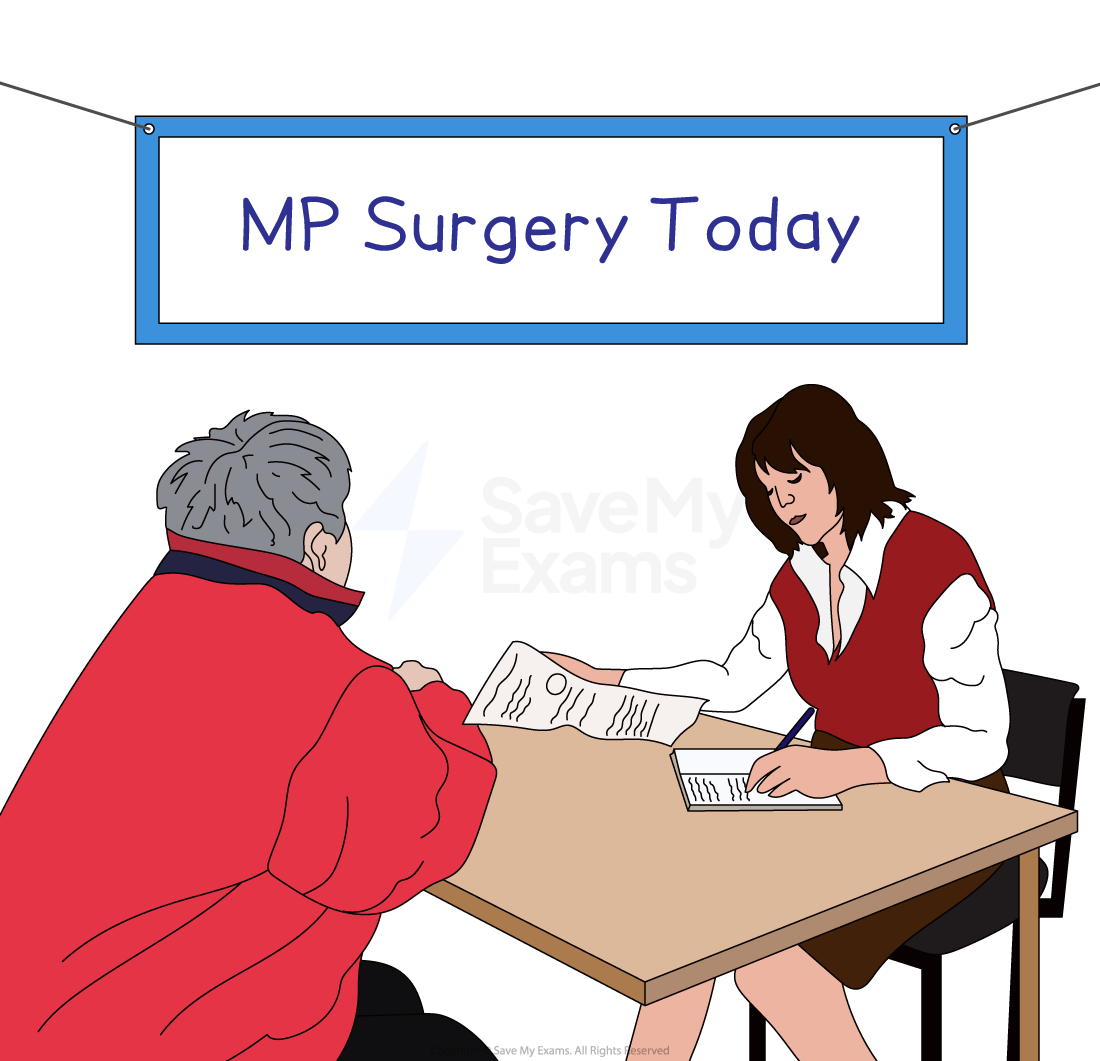
MPs hold regular constituency surgeries
Residents can meet their MP face to face to discuss personal or local problems
Legislative role
MPs play a key role in making and changing laws
Debating and voting on government bills
Deciding whether to support or oppose new laws
Suggesting amendments to improve or challenge a bill
Many MPs sit on Public Bill Committees
Examine draft laws line by line
Hear evidence from experts and interest groups
MPs can introduce laws through Private Members’ Bills
Backbench MPs enter a ballot to introduce a bill
MPs with a low ballot number have a better chance of success
Examples of Private Members’ Bills that became law include
The smoking ban made it illegal to smoke in enclosed public places and workplaces in the UK
The Homelessness Reduction Act 2017 placed a legal duty on councils to help people at risk of homelessness earlier by providing advice and support before they become homeless
Political role
Most MPs belong to a political party
eg Labour, Conservative, Liberal Democrats
MPs are expected to:
Support their party’s policies and manifesto
Usually vote with their party, following the party whip
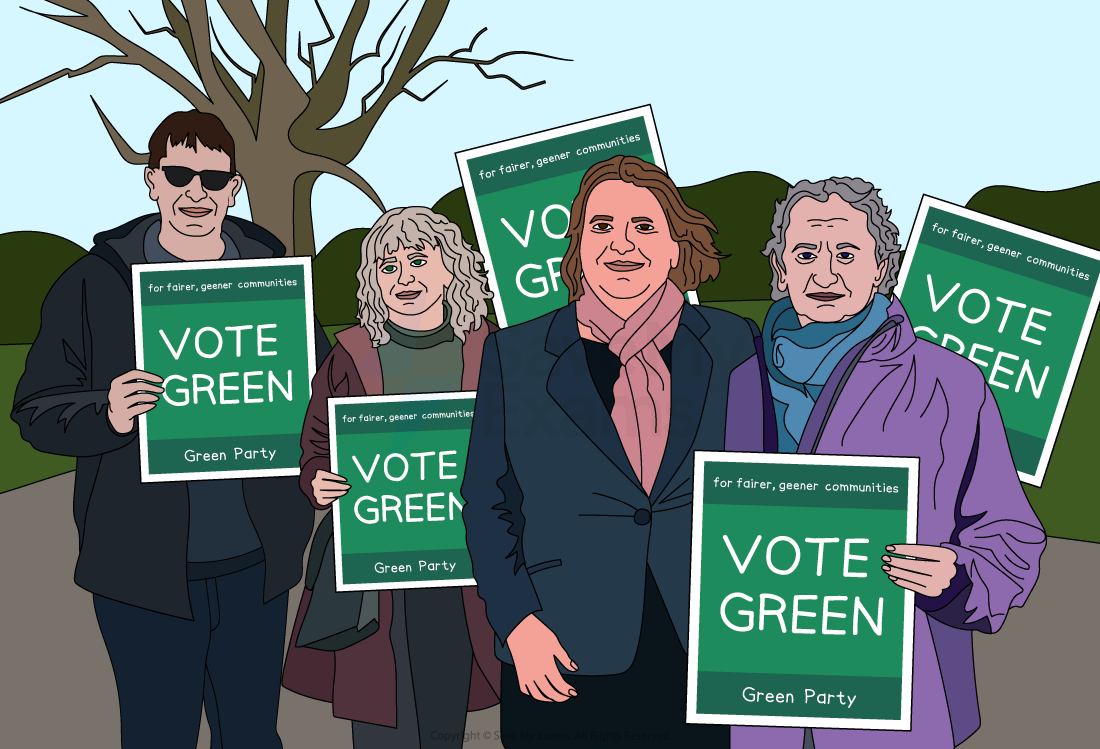
MPs are involved in their local party
They attend meetings and fundraising events
They campaign during elections
Some MPs take on extra responsibilities:
Ministers or Junior Ministers in government run departments and develop policy
Shadow ministers in opposition scrutinise government departments and policies
MPs may also act as media representatives by giving interviews, writing articles and using social media to promote party policies
Examiner Tips and Tricks
A common mistake is thinking MPs only work in Parliament
Remember the split using the mnemonic C-L-P – Constituency, Law-making, Party
Pay, expenses and accountability
MPs earn a salary of £93,904 per year
MPs can also claim expenses for
Staff wages
Office costs
Travel between Westminster and their constituency
Accommodation if needed
Expenses are not extra income and must be related to Parliamentary work
They are closely monitored by the Independent Parliamentary Standards Authority (IPSA) which ensures claims are fair and lawful
All claims are published publicly
This allows the public and media to check how money is spent
This helps maintain transparency and accountability

Unlock more, it's free!
Join the 100,000+ Students that ❤️ Save My Exams
the (exam) results speak for themselves:

Was this revision note helpful?
