Democratic Systems & Citizenship Participation (AQA GCSE Citizenship Studies): Revision Note

Exam code: 8100
Michael Mitchell

Written by: Michael Mitchell

Reviewed by: Lisa Eades

Updated on

Democratic systems and citizen participation

  • A democratic system, such as the systems in the UK, is where political power comes from the people

  • Citizens are able to:

    • Vote in free and fair elections

    • Stand for election

    • Join political parties

    • Express political views freely

  • Governments in democracies are accountable to the people and can be removed through elections

Key features of democratic systems

  • Regular, competitive elections

    • More than one political party competes for power

  • Rule of law

    • Everyone, including the government, is subject to the law

  • Civil liberties

    • Citizens have rights such as freedom of speech, assembly and the press

  • Citizen participation

    • Citizens can influence politics beyond voting, for example through protests, petitions and political parties

Case Study

Germany - a democratic system
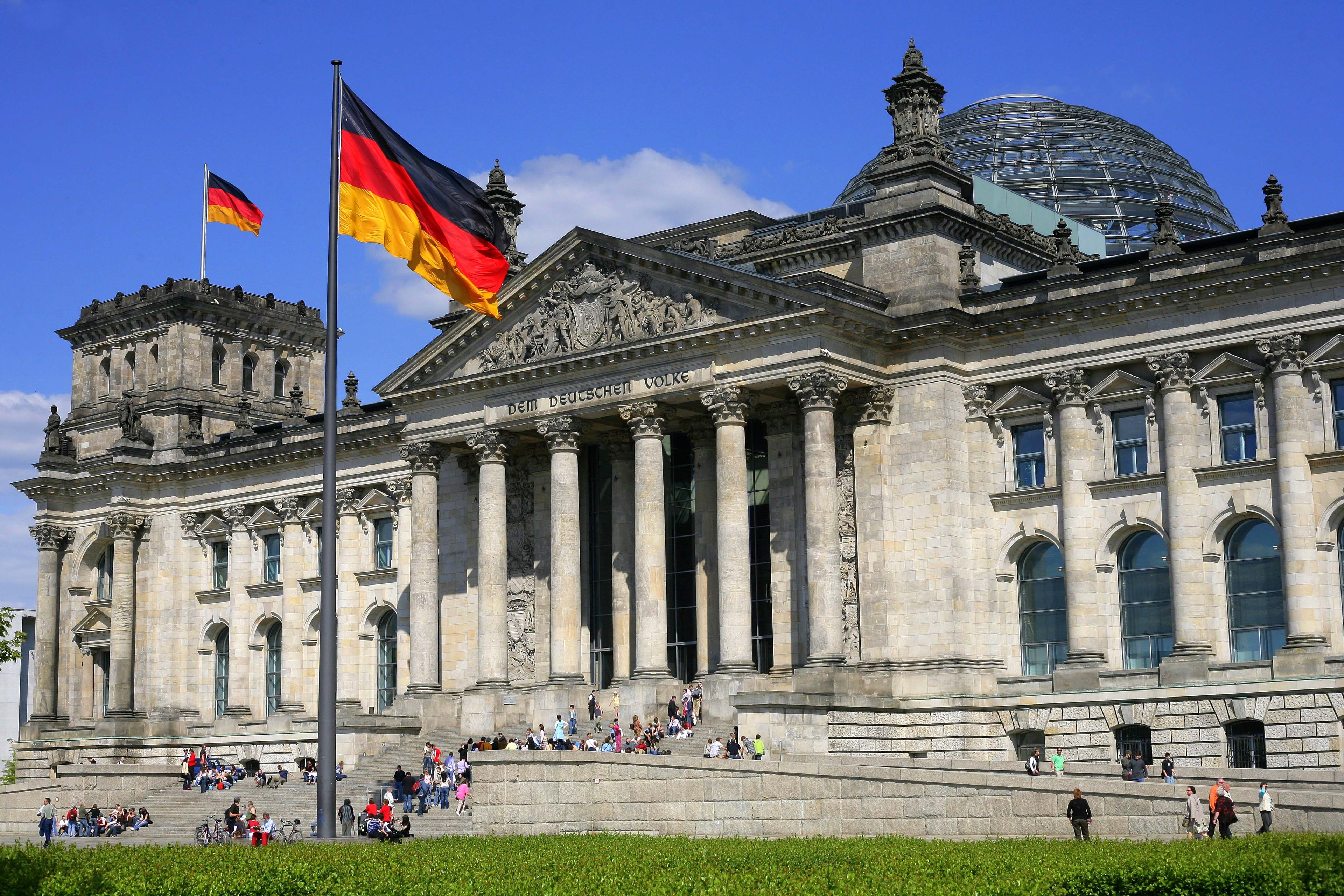
The Reichstag, home of the Bundestag (German Parliament) in Berlin, with the German flag flying in front and on top of the building
The German Bundestag in Berlin
  • Germany is a democratic federal republic where citizens play an active role in politics

    • Elections are free, fair and competitive.

    • Citizens have real influence over who governs.

    • The government can be voted out of power.

How citizens participate

  • Citizens aged 18 and over can vote in

    • Elections to the Bundestag (national parliament)

    • State (regional) elections

  • Germany uses a proportional voting system

    • This means parties gain seats in line with their share of the vote

    • Smaller parties are more likely to be represented

  • Citizens can

    • Join political parties such as the Christian Democratic Union (CDU) or Social Democratic Party (SPD)

    • Take part in peaceful protests and demonstrations

    • Sign petitions and campaign on issues like climate change

Non-democratic systems and citizen participation

  • A non-democratic system is one where political power does not come from free and fair elections

    • Citizens have limited or no real influence over who governs them

    • Governments are not fully accountable to the people and cannot easily be removed through voting

Key features of non-democratic systems

  • No genuine choice in elections

    • Elections may exist, but they are controlled or not competitive

  • Limited political freedoms

    • Restrictions on freedom of speech, protest and the press

  • One-party rule or dominant party

    • One party controls power and opposition is weak or banned

  • Controlled participation

    • Citizens may participate in approved activities, but not in ways that challenge power

Forms of non-democratic system

Political system

Explanation

Absolute monarchy

  • Where one family rules, and power is passed down through generations

  • The monarch and royal family hold real political power, unlike in a constitutional monarchy such as the UK, where the monarch has little or no power

  • Examples include Saudi Arabia, Brunei and Oman

Authoritarian rule

  • Where power is held by one person or a small group who are not accountable to the people

  • Citizens’ rights are limited and opposition is often restricted

  • Examples include Russia and Venezuela

Dictatorship

  • Where one person or a group holds total power, often after seizing control by force

  • Around 60–80 countries fall into this category or similar forms of authoritarian rule

Oligarchy

  • Where power is controlled by a small group of very wealthy individuals or families

  • Their wealth often comes from close links to political power

  • This term is often used to describe wealthy elites in Russia, who are closely controlled by the state

Technocracy

  • A system where a country is governed by technical experts, rather than elected politicians

  • This can happen during a national crisis, such as economic collapse

  • In 2011, Italy formed a technocratic government led by Mario Monti, an economist and former EU official, to deal with a severe economic and debt crisis

Aristocracy

  • A system where power and wealth are held by a small number of noble families and passed down through generations

  • It is linked historically to monarchy

Military control

  • A system where the armed forces take control of the government, usually through a military coup

  • When in power, this is known as a military junta

  • Examples include Sudan and Myanmar

Theocracy

  • A system where the country is governed according to religious law and controlled by religious leaders

  • Examples include Iran and Vatican City

One-party state

  • A system where only one political party is allowed to govern

  • Elections may take place, but voters can only choose candidates from that party

  • Examples include China, Cuba and Vietnam

Anarchy

  • A situation where there is no government or formal authority

  • It is associated with lawlessness and chaos, rather than an organised political system

  • A current example is Somalia

Case Study

China - a non-democratic system

  • China is a one-party authoritarian state controlled by the Chinese Communist Party (CCP)

Illustration of a man in a dark suit with a red tie speaking into a microphone against a solid dark red background.
Xi Jinping, China's Core Leader

How citizens participate

  • Citizens cannot choose between political parties

    • Only the CCP holds real power

  • Elections exist at local levels, but candidates are often approved by the Party

  • Citizens cannot freely criticise the government

    • Protests and online criticism are heavily restricted or censored

  • Independent media is not allowed

    • Newspapers, TV, and social media are state-controlled

  • Citizens may take part in

    • Local community groups approved by the state

    • Government-organised consultations

  • However, these activities do not challenge political power

Examiner Tips and Tricks

  • When comparing democratic and non-democratic systems, always use a clear comparison word like “whereas” or “in contrast”

  • Examiners award more marks when you directly compare participation, elections and freedoms, not when you describe each system separately

Unlock more, it's free!

Join the 100,000+ Students that ❤️ Save My Exams

the (exam) results speak for themselves:

Michael Mitchell

Author: Michael Mitchell

Expertise: Content Writer

Michael Mitchell is a pioneer of Citizenship education and a former Chief Examiner and Chief Moderator across all qualification levels. Michael's aim is to enable students to participate and become active citizens and not just passive members of society. He designed national specifications and, later, trained the next generation of teachers as the PGCE Subject Leader at the University of Plymouth, where he also ran a national Master's-level CPD program.

Lisa Eades

Reviewer: Lisa Eades

Expertise: Business Content Creator

Lisa has taught A Level, GCSE, BTEC and IBDP Business for over 20 years and is a senior Examiner for Edexcel. Lisa has been a successful Head of Department in Kent and has offered private Business tuition to students across the UK. Lisa loves to create imaginative and accessible resources which engage learners and build their passion for the subject.