Defining Identity (Edexcel GCSE Citizenship Studies): Revision Note
Exam code: 1CS0

Defining identity
People have different identities that shape who they are and how they see the world
Identity can come from personal experiences, the groups we belong to, our nationality and even global issues that affect us all
Your individual identity is what makes you, you
It is shaped by a mix of factors that affects people differently
Examples of factors that shape individual identity include:
gender
family background
education
peer groups
ethnicity or race
religion or beliefs
where you were born and where you live
culture and traditions
social class
The idea of nature vs nurture is often used to explain identity
Nature = characteristics you inherit at birth
Nurture = how you are raised and the environment around you
Most people’s identity is a combination of both nature and nurture
Ethnic and religious identity
Ethnicity and identity
Ethnicity refers to a person’s cultural background, such as shared language, traditions, history or ancestry
It influences how people see themselves and feel a sense of belonging
People can have more than one ethnic influence
Ethnicity can shape values, customs and daily life
For example, food, clothing, celebrations and family traditions
Ethnicity can affect experiences in society
Some people feel pride and belonging, while others face stereotypes or discrimination
Religion and identity
Religion refers to beliefs, practices and values linked to faith
It can shape morals, behaviour and life choices
Religious beliefs can influence daily life and give a sense of belonging
For example, prayer, worship, dress, diet and behaviour
Faith communities offer support and shared values
People follow religion in different ways
Some practise actively, while others identify culturally rather than by belief
Case Study
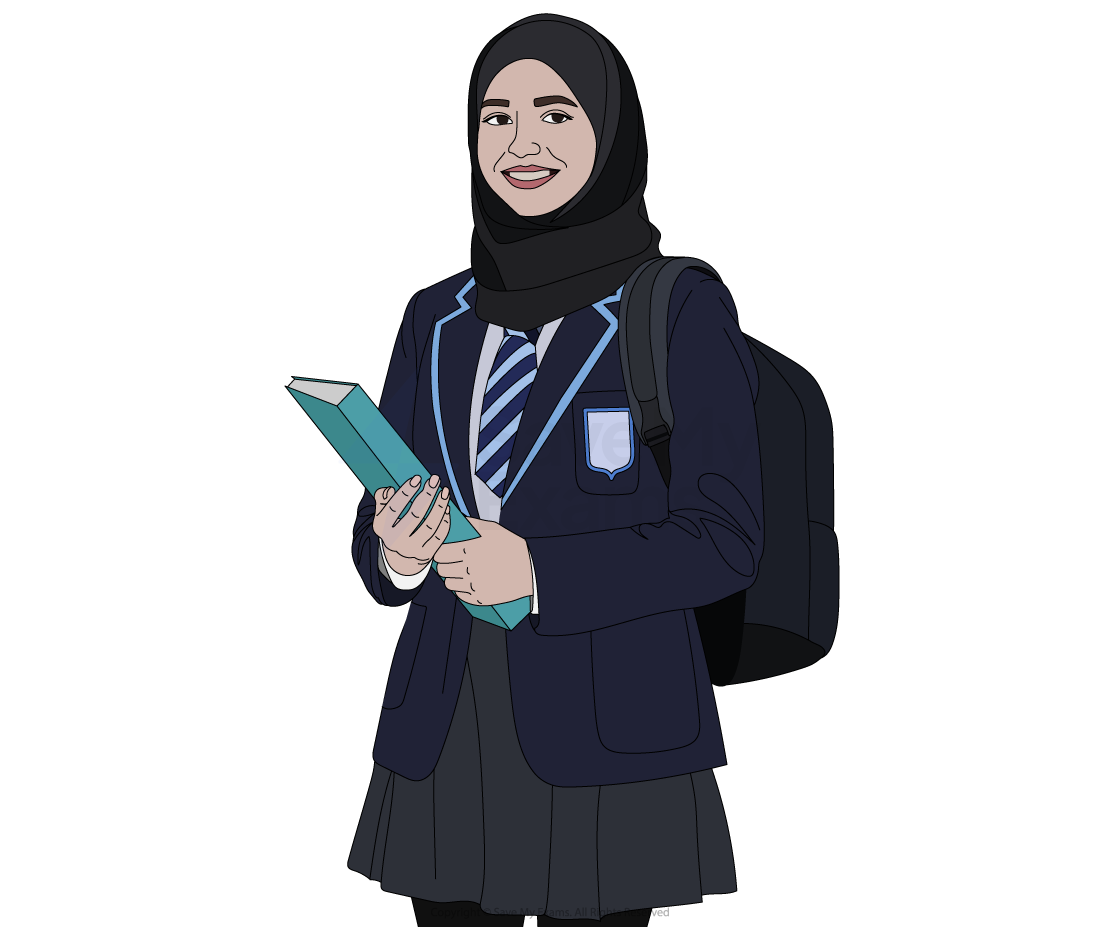
Aisha is a 15-year-old Muslim student living in Birmingham
Her family practises Islam and attends a local mosque regularly
How religion shapes her identity
Aisha’s religion helps shape her values, such as kindness, respect and honesty
She prays daily and fasts during Ramadan, which makes her feel connected to her faith
Wearing modest clothing is part of how she expresses her religious identity
Islam influences her choices, including avoiding alcohol and eating halal food
Sense of belonging
Being part of a Muslim community gives Aisha a strong sense of belonging
She feels supported by friends and family who share similar beliefs
Religious celebrations like Eid are important to her sense of identity and culture
Challenges and identity
Aisha is aware that some people misunderstand her religion
This has made her more confident in explaining who she is and what she believes
Her religious identity exists alongside other identities, such as being British and a student
Age and identity
Age affects interests, responsibilities and how others treat you
It shapes opportunities and rights
For example, voting, working hours and legal responsibilities change with age
Young people often form identity through education and peer groups
School, friendships and social media influence views and behaviour
Identity can change over time
Work, family and independence shape how people see themselves
Gender and identity
Gender refers to how a person identifies and expresses themselves
This may be male, female or another gender identity
Gender can influence expectations in society
People may face pressure to behave in certain ways based on gender stereotypes
Gender identity can affect experiences and opportunities
Some people may experience inequality or discrimination because of their gender
Attitudes towards gender have changed over time
Laws such as the Equality Act 2010 protect people from gender discrimination
Social and cultural identity
Social identity
Social identity refers to the groups a person belongs to in society
This can include social class, friendship groups, school, their local neighbourhood or interests
Social background can influence opportunities
For example, access to education, jobs and housing can affect life chances
Social identity shapes how people see themselves and others
Belonging to a group can build confidence and a sense of identity
Social identity can change over time
Moving area, changing schools or jobs can affect social identity
Cultural identity
Cultural identity refers to shared traditions, customs and ways of life
This includes language, food, music, dress and celebrations
Culture is often influenced by family and community
Cultural practices are passed down through generations
Cultural identity can provide a sense of belonging
Shared culture helps people feel connected to others
Cultural identity is not fixed
People may combine different cultures or choose how strongly they identify with them
Multiple identities
Multiple identities means a person belongs to more than one group
Different identities can be stronger in different situations
For example, age at school or work, and culture at home
Identities can change over time
Education, work, relationships and migration shape identity
Multiple identities reflect a diverse society
People cannot be defined by one characteristic
Respecting multiple identities supports tolerance and community cohesion
Case Study

Daniel is a 24-year-old man living in Manchester
He was born in the UK to parents from Poland
Daniel's multiple identities
Daniel identifies as British and Polish
He speaks English and Polish and celebrates traditions from both cultures
For example, on Christmas Eve, Daniel and his family follow the Polish tradition of eating twelve different meat-free dishes!
Religion is part of his background but not his daily life
Although his family is Roman Catholic, Daniel does not practise the religion
His age shapes his identity as a young adult
He is focused on building a career and living independently
Daniel’s social identity comes from his job and friendships
He works in retail and feels a strong sense of belonging with his colleagues
His cultural identity is strongest within his family
Family traditions and meals help him stay connected to his heritage
For example, Daniel and his family celebrate All Saints Day on November 1st

Unlock more, it's free!
Join the 100,000+ Students that ❤️ Save My Exams
the (exam) results speak for themselves:

Was this revision note helpful?
