The Role of Groups & Organisations in Democratic Society (Edexcel GCSE Citizenship Studies): Revision Note
Exam code: 1CS0

Public institutions
In a democratic society, different organisations help ensure that all groups are represented and supported
These organisations give people a voice, especially those who may be marginalised or ignored
They also provide practical support, services and protection of rights
Together, they help strengthen democracy by encouraging participation, equality and accountability
What are public institutions?
Public institutions are bodies that are part of the state and help run the country
They represent citizens and make decisions that affect society
They provide a voice by allowing people to raise concerns through democratic channels
This includes elections, consultations and complaints procedures
Local councils are public institutions that represent people in a specific area
Elected councillors raise residents’ concerns and make decisions on local services such as housing, transport and education
This gives local communities a direct voice in local democracy
Case Study
Cannock Chase District Council
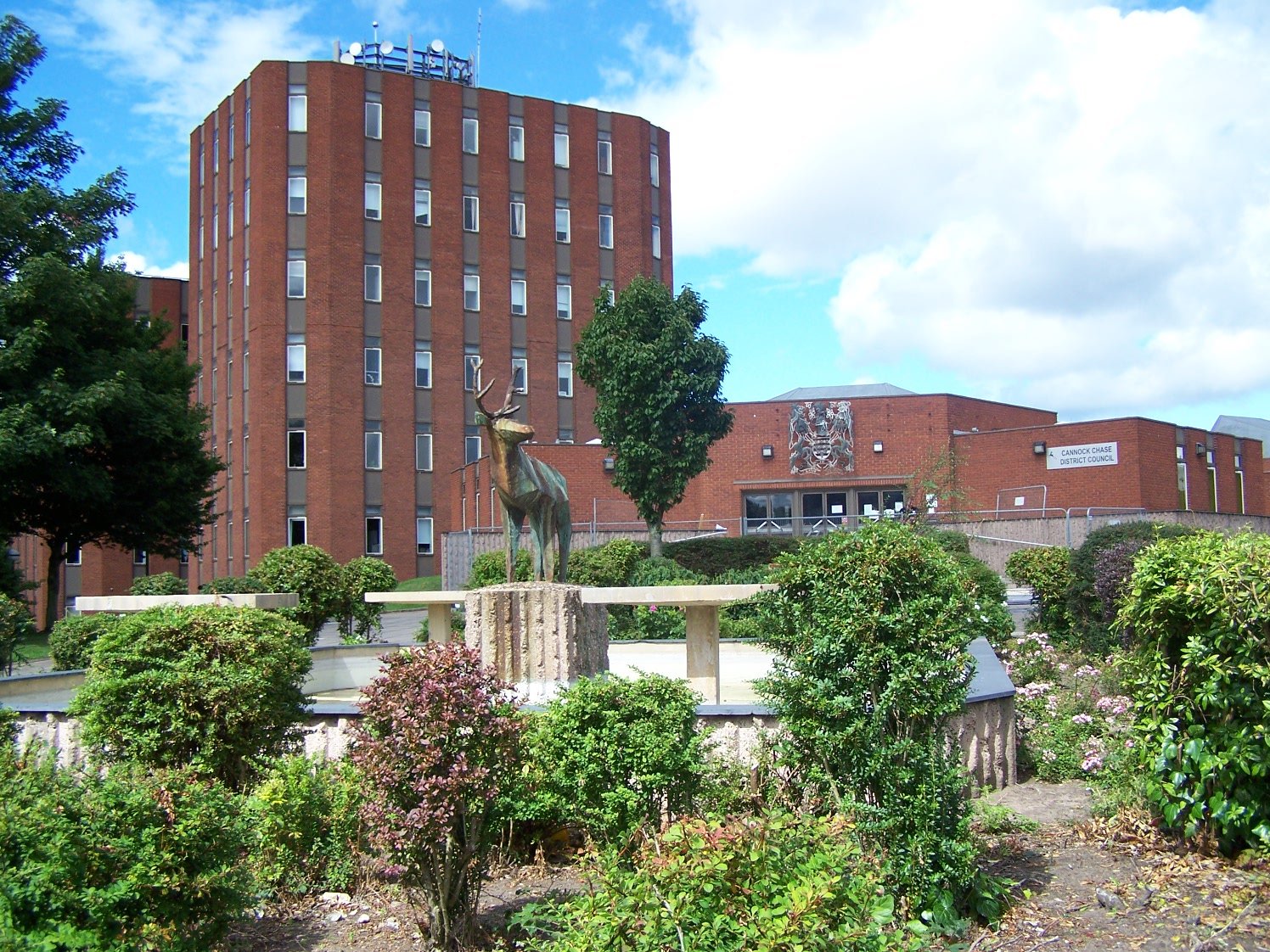
Cannock Chase District Council represents local residents in south Staffordshire through elected councillors
How they provide a voice
Councillors raise issues from their wards and speak on behalf of different groups, including young people, elderly residents and low-income households
The council consults the public on local decisions
This includes surveys, public meetings and consultations on housing, planning and regeneration
How they provide support
The council delivers and coordinates key local services
This includes housing support, homelessness prevention and council tax reduction for those on low incomes
It works with local charities and voluntary groups
This helps support vulnerable groups such as people facing homelessness or financial hardship
Public services
Public services are organisations funded by the government to meet people’s needs
They support groups such as young people, the elderly and vulnerable citizens
They provide support by delivering essential services fairly and accessibly
E.g. The NHS provides free healthcare to all, supporting disadvantaged groups who may not be able to afford private care
Interest and pressure groups
Interest and pressure groups campaign on specific issues or for particular groups
They do not seek political power but try to influence decision makers
They provide a voice for groups that may be ignored in mainstream politics
This is done through lobbying, media campaigns and public awareness
Case Study
Friends of the Earth

Friends of the Earth is a UK pressure group that represents people concerned about the environment
It gives a voice to groups affected by climate change, including young people, low-income communities and future generations
How they provide a voice
Campaigns on environmental issues such as climate change, air pollution and plastic waste
Uses media campaigns, protests and social media to raise public awareness
Pressures the government to take action on climate change
Lobbies MPs and responds to government consultations on environmental policy
How they provide support
Supports local community groups campaigning on environmental issues
Provides advice, resources and campaign tools
Helps communities challenge environmentally harmful developments
For example, opposing new fossil fuel projects
Trade unions
Trade unions represent workers and protect their rights in the workplace
They support members through advice, legal help and collective bargaining
They provide a voice by negotiating with employers and lobbying the government
E.g. UNISON represents public sector workers such as nurses and council staff
Charities and voluntary groups
Charities aim to support people in need and improve society
They often focus on vulnerable or marginalised groups
They provide a voice by highlighting social problems and influencing public policy
Case Study
The Prince’s Trust
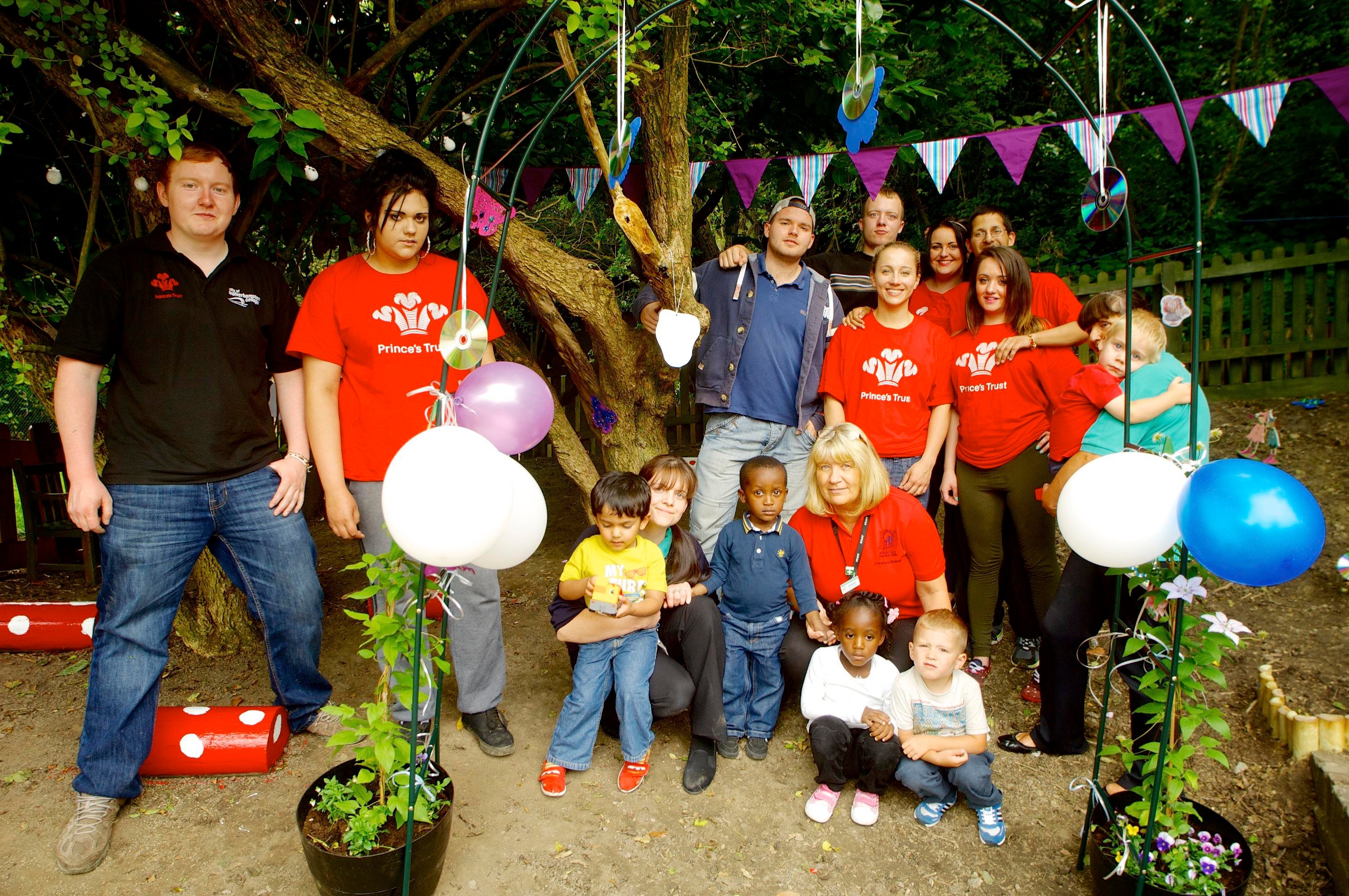
The Prince’s Trust is a UK youth charity that supports young people aged 11–30
It focuses on young people who are unemployed, disadvantaged or at risk of social exclusion
How they provide a voice
Represents the views and experiences of young people to government and employers
Highlights issues such as youth unemployment, mental health and lack of opportunities
Uses research and reports to influence public policy
Ensures young people’s concerns are included in decision-making
How they provide support
Offers funding, mentoring and training to help young people start businesses or find work
Provides confidence-building programmes and personal development support
Helps young people who may lack qualifications or support networks

Unlock more, it's free!
Join the 100,000+ Students that ❤️ Save My Exams
the (exam) results speak for themselves:

Was this revision note helpful?