The Role of the Media & a Free Press (Edexcel GCSE Citizenship Studies): Revision Note
Exam code: 1CS0

The role of the media
The media means the different ways information and news are shared with the public, such as TV, newspapers, radio and online platforms
Examples of newspapers in the UK
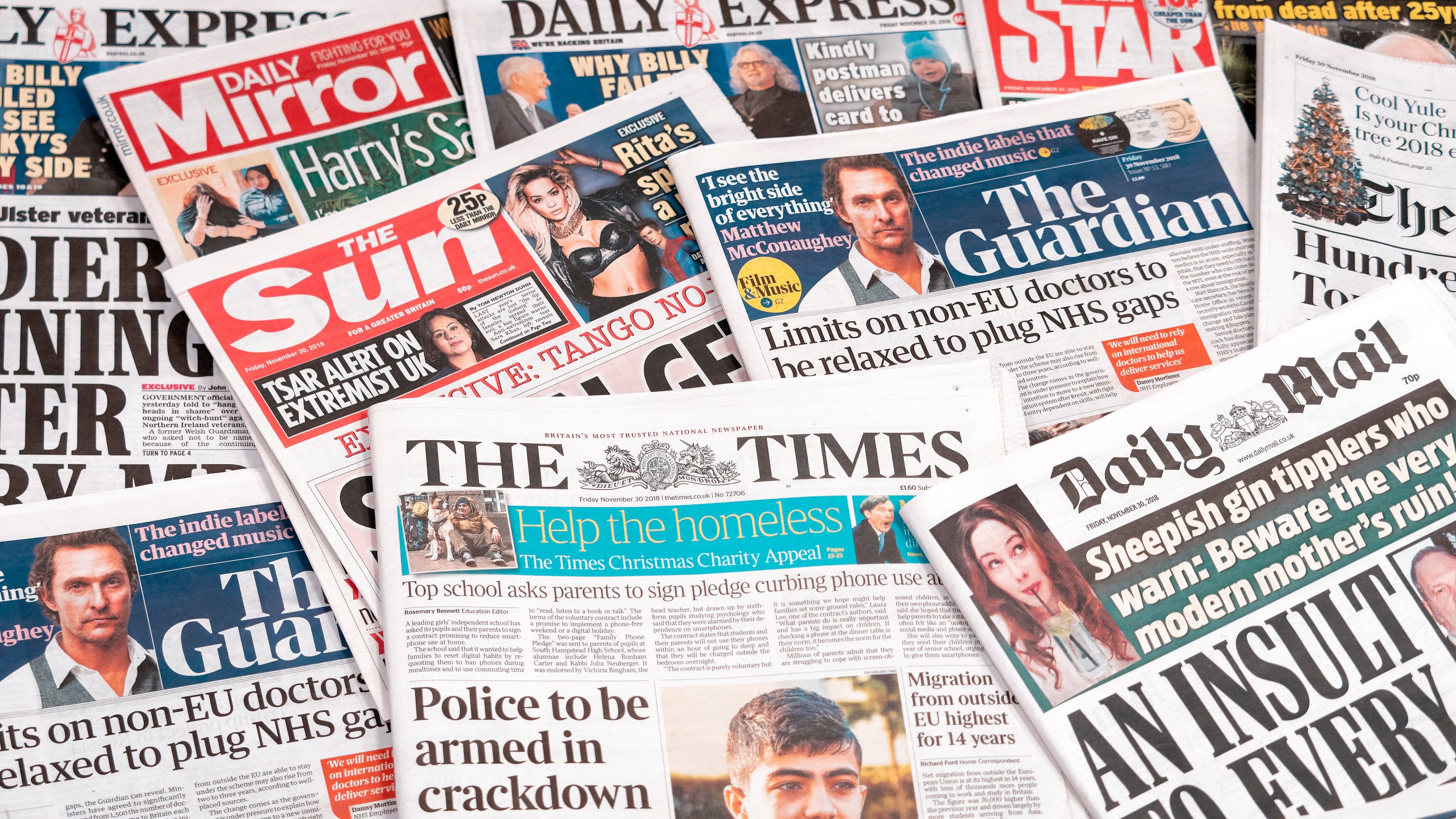
The media inform the public by reporting news and explaining national and global events
They hold those in power to account, scrutinising decisions made by government, public services and large organisations
E.g. In 2024, ITV’s reporting on the Post Office Horizon scandal helped expose failures in government oversight and contributed to new legislation to overturn victims’ convictions
The media help shape public opinion by providing commentary, analysis and debate on contemporary issues
E.g. Media coverage of the NHS pressures during winter 2023–24 influenced public debate on funding, staffing and government responsibility
They have an educational role, helping audiences understand complex topics, and an entertainment role through programmes, features and cultural content
E.g. Programmes such as Panorama and Dispatches have examined complicated topics like climate change, artificial intelligence and social inequality
Broadcasters must also ensure their output is fair, balanced and accurate
E.g. During the 2024 General Election campaign, TV shows hosted live leaders’ debates and were required to offer equal airtime and balanced coverage across all major political parties
The importance of a free press
The UK recognises freedom of the press, meaning traditional media should be free from political or judicial interference
E.g. In recent years, UK newspapers freely criticised government decisions on issues such as immigration policy and NHS waiting times
Newspapers can openly support political parties, especially during elections, and can encourage readers to vote a certain way
During the 2024 General Election, newspapers such as The Sun and The Daily Telegraph openly endorsed the Conservative Party, while The Guardian supported Labour
Broadcast media (e.g. TV and radio) must follow rules on impartiality, but newspapers do not have the same requirement
In 2023, Ofcom investigated GB News for breaches of impartiality rules after programmes featured politicians acting as news presenters
Why a free press is important
A free press allows journalists to report news without government control and helps hold those in power to account
Journalists can investigate and expose wrongdoing by politicians, government or powerful organisations
This helps ensure the public receive accurate and independent information
It helps inform citizens
People need reliable information to make informed decisions, such as how to vote
It supports democracy
Open reporting encourages debate, discussion and participation in public life
It protects freedom of expression
Different opinions and viewpoints can be shared, even if they criticise those in power
It helps expose injustice and corruption
Media investigations can lead to inquiries, resignations or changes in policy

Unlock more, it's free!
Join the 100,000+ Students that ❤️ Save My Exams
the (exam) results speak for themselves:

Was this revision note helpful?