The Use of the Media for Influence (Edexcel GCSE Citizenship Studies): Revision Note
Exam code: 1CS0

How citizens use the media
Citizens can use the media to influence public opinion either as individuals or as part of organised groups, such as pressure groups or local campaign groups
Newspapers, television and radio remain especially important because they reach large audiences and are often seen as authoritative and credible
Individual citizens may use traditional media to highlight personal experiences that reflect wider social issues
By giving interviews to newspapers or appearing on television, individuals can raise public awareness and attract national attention
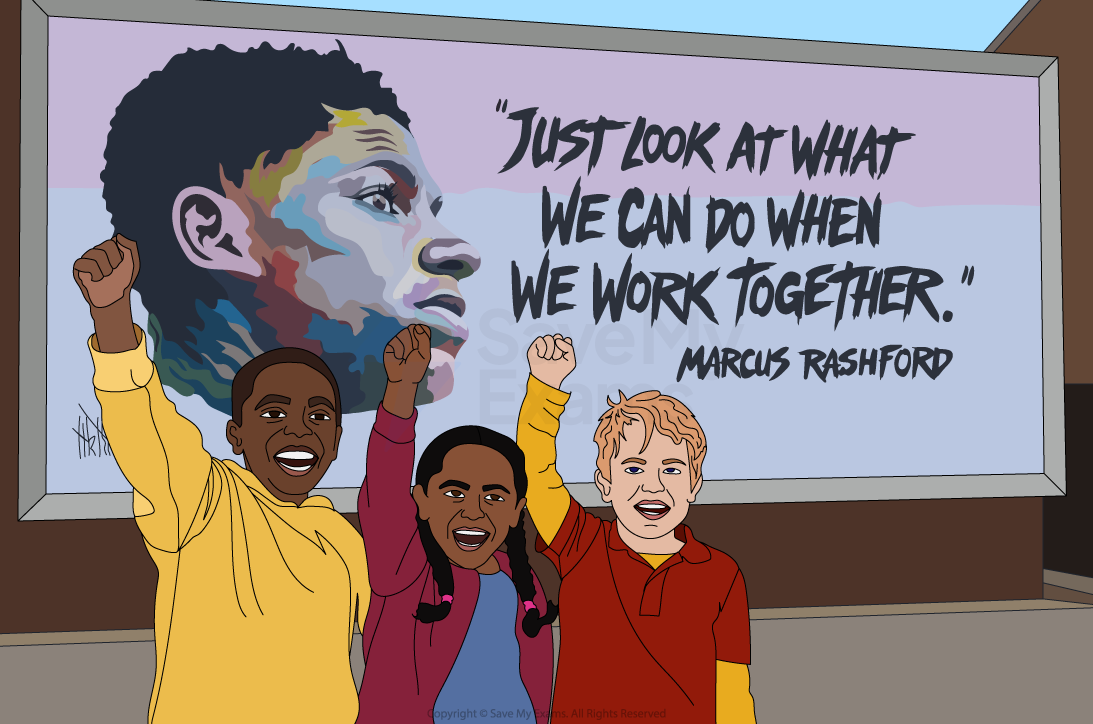
E.g. Marcus Rashford wrote open letters to national newspapers such as the Daily Mirror and gave interviews on BBC News to highlight child food poverty
He also used social media, but it was sustained coverage by traditional media that helped build public pressure and led to government changes to free school meal provision
Citizens also use the media collectively through pressure groups, which often have media teams and spokespersons
Pressure groups use press releases, newspaper interviews and TV appearances to present their arguments clearly and repeatedly
E.g. Friends of the Earth regularly appears on BBC News and is quoted in national newspapers when environmental issues are discussed
This traditional media coverage helps shape public attitudes towards climate change and increases pressure on the government to act
Local campaign groups often rely heavily on local newspapers and social media to influence public opinion and decision-makers.
E.g. The Where’s Our Bridge? campaign in Faversham used local press coverage, including newspaper articles and online news reports, to explain why the closure of Faversham Creek Bridge was damaging the community
This coverage, shared on social media platforms, helped build wider public support and encouraged local councils and MPs to respond to the campaign
How the media is used by those in power
Governments, ministers and senior public officials use the media to influence public opinion and shape how their decisions are understood
Governments use the media to communicate policies and decisions to the public
By explaining new laws, restrictions or spending plans through television interviews and newspaper articles, politicians can justify their actions and attempt to gain public support
E.g. Government Budgets and major policy announcements are often reported live on the BBC and then explained in national newspapers the following day
Those in power also use the media to shape narratives around events and policies
This involves emphasising successes, positive outcomes or intentions, while minimising or explaining away failures and criticism
E.g. Ministers may highlight falling unemployment figures or economic growth in interviews, while avoiding focus on rising living costs or public service cuts
Press conferences and media interviews are key tools used by those in power
These allow politicians to respond directly to criticism, clarify their position and control the message being presented to the public
Appearances on programmes such as BBC News at Ten, Question Time or Sunday political shows give ministers opportunities to explain policies and challenge opposing views
Governments also use the media to encourage behaviour change, particularly during emergencies or public health issues
Media campaigns delivered through television and radio can influence how people behave in everyday life
A clear example is public safety advertising, such as road safety campaigns encouraging seatbelt use or discouraging drink driving
Case Study
UK government COVID-19 briefings
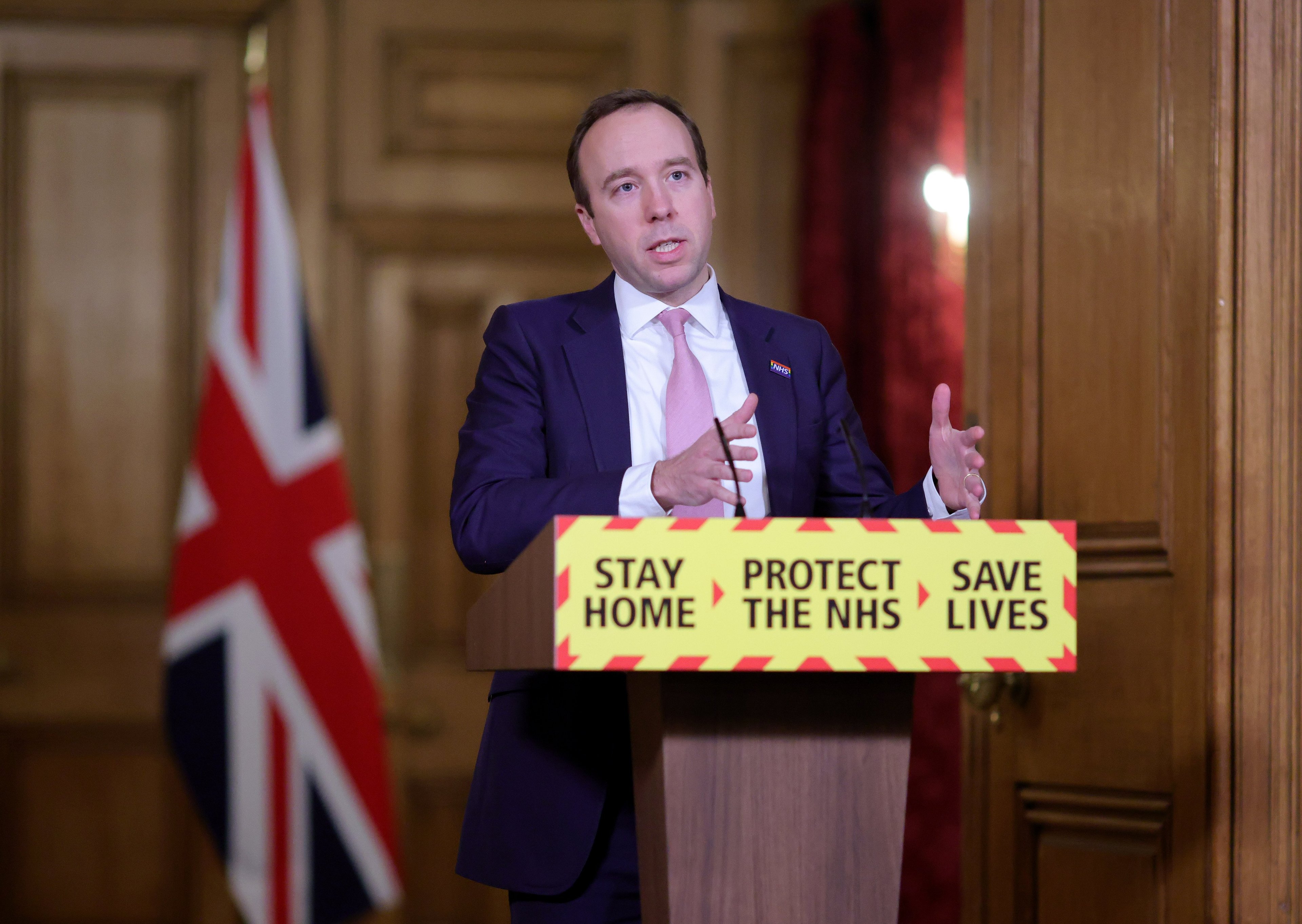
During the COVID-19 pandemic, the UK government held daily televised press briefings, broadcast live on major television channels
These briefings were led by senior ministers, including the Prime Minister, alongside scientific and medical advisers
Purpose of the briefings
The briefings were used to explain government decisions such as lockdowns, travel restrictions and vaccination programmes
By using traditional media, the government aimed to reach as many people as possible and ensure consistent messaging across the country
The briefings were designed to influence public behaviour, encouraging people to follow lockdown rules, wear face coverings and later accept vaccination
Visual data, slogans such as “Stay Home, Protect the NHS, Save Lives”, and repeated messaging were used to reinforce behaviour change

Unlock more, it's free!
Join the 100,000+ Students that ❤️ Save My Exams
the (exam) results speak for themselves:

Was this revision note helpful?