Undertaking Primary Research (Edexcel GCSE Citizenship Studies): Revision Note
Exam code: 1CS0

Preparing primary research
Primary research is research that you collect yourself
Examiners want to see that you have gathered first-hand evidence to understand your issue properly and to help you decide what action to take.
Identifying and sequencing research questions
You should start by writing clear research questions linked directly to your issue
For example, “How aware are students of mental health support in our school?”
Good research questions are specific, not too broad
Avoid questions like “Is bullying bad?” as the answer is obvious
You should also sequence your questions so they make sense
For example, first ask about awareness, then opinions, then possible solutions
Examiners reward students who can explain why their questions were chosen
Carrying out primary research
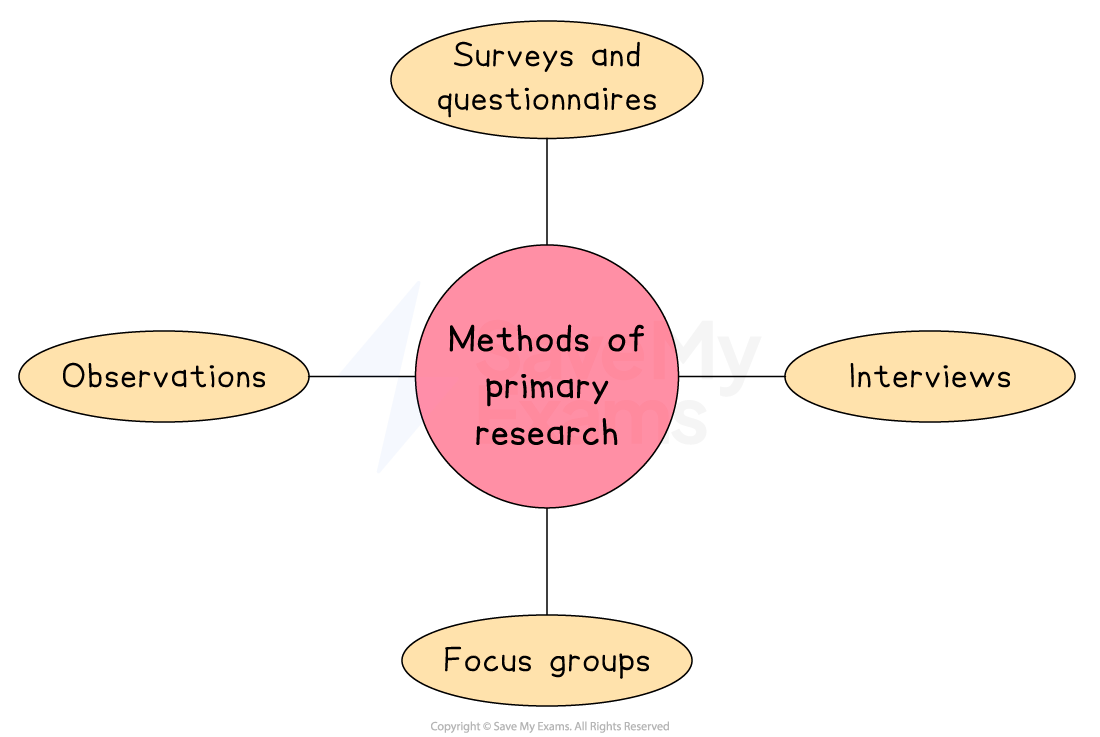
Surveys and questionnaires
Surveys are useful when you want to collect quantitative data, such as numbers or percentages
Surveys use questionnaires which need to be constructed carefully
Use short, clear questions and avoid leading people to a certain answer
Instead of “Don’t you agree the canteen food is unhealthy?”, ask “How healthy do you think the canteen food is?”
Include a mix of multiple-choice and scale questions
For example, rating awareness from 1 to 5
Try to survey a range of people, not just friends, to make your results more reliable
When analysing results, look for patterns, such as common views or strong trends
Interviews
Interviews are helpful when you want detailed opinions and explanations
You might interview a teacher, local councillor, charity worker or community leader
Prepare your questions in advance, but allow people to expand on their answers
Ask open questions, such as “What do you think is the main problem with…?”
Take notes or record answers (with permission), as this evidence is useful in the exam
Examiners value interviews because they show depth and engagement
Focus groups
A focus group involves discussing the issue with a small group of people
This method is useful for exploring different viewpoints and encouraging discussion
You should act as a neutral facilitator, not dominate the conversation
Ask follow-up questions if people disagree, as this shows awareness of multiple perspectives
Focus groups are particularly effective when researching school or community issues
Observations
Observation involves watching behaviour rather than asking questions
For example, observing how many students use recycling bins during lunchtime
You should decide what you are looking for before observing
Record what you see clearly, such as tally charts or brief notes
This method works best when combined with another form of primary research
Examiners like observations because they provide objective evidence
Analysing your primary research
Once research is complete, you should analyse the results, not just describe them
Identify what the evidence shows about the problem and what it suggests should happen next
Your findings should help you decide which action is most suitable
You should be able to explain how your research directly influenced your final action choice

Unlock more, it's free!
Join the 100,000+ Students that ❤️ Save My Exams
the (exam) results speak for themselves:

Was this revision note helpful?