Change in Early Modern Britain (OCR GCSE History B (Schools History Project)): Revision Note
Exam code: J411

Summary
The Early Modern Period starts in 1500 and ends in 1750. It was a period of significant change in many areas, including trade, technology and religion
Britain began to trade and interact more with the wider world. It also began to establish its Empire and become involved in a trade in humans known as the trans-Atlantic slave trade. The control of the people and resources of other nations brought new products to the British people and helped make Britain a wealthy country.
There were great technological advances during the Early Modern Period, such as the development of the printing press, the steam engine and the microscope.
Britain became a Protestant country, breaking away from the influence of the Catholic Church, and the British people became free to read and interpret the Bible in English.
In other areas, particularly in understanding the causes of disease, there was little or no progress. Towns and cities experienced rapid population growth during this time, and became more deadly places than ever.
Cultural, social & economic change in Early Modern Britain
Changes in population
The population of Britain doubled during the Early Modern Period
It grew from around 3 million in 1500 to around 6 million in 1750
The population increase led to greater demand for food
Improvements in agriculture meant that far fewer people went hungry
Changes in religion
The Church lost much of its power, wealth and influence in Britain during the Early Modern Period
People continued to believe in the Christian religion, but in 1536, Henry VIII broke away from the Catholic Church in Rome
England became a Protestant country
All abbeys and monasteries, that had been so important in medieval Britain, were closed
The monks and nuns were made homeless, the treasures and lands sold off and the buildings allowed to fall into ruin
Industry
Wool continued to be England's major industry for most of this period
Many people worked in the manufacture of woollen cloth
Most people dressed in similar clothes to those worn in the medieval period
However, increased trade led to materials like cotton and silk becoming more common
Changes in Trade
Britain established colonies in North America during this time
Sugar and tobacco were grown on these colonies and sold in Europe for enormous profits
Britain became heavily involved in the trans-Atlantic slave trade
Millions of African people were forcibly taken to America
They were enslaved and made to work on enormous farms called plantations
As well as sugar, tobacco, cotton and silk, other new products became available and popular in Britain for the first time
These included spices, potatoes, tomatoes, tea, coffee and chocolate
Changes in Society
Drinking beer or ale had been very common throughout the medieval period, mainly because it was safer to drink than water
The number of alehouses increased enormously during the Early Modern period as drinking alcohol became a social activity
From the 1650s onwards, drinking strong alcoholic spirits - especially gin - became very popular
This caused enormous social problems
Changes in Technology
Innovations in technology during this time included the printing press and the steam engine
The Newcomen steam engine was a common sight in mining areas of Britain by 1750
The Newcomen steam engine was invented in 1712 and was used to pump water out of mine shafts
It was not until later that steam engines were installed in factories and locomotives to power what became known as the Industrial Revolution
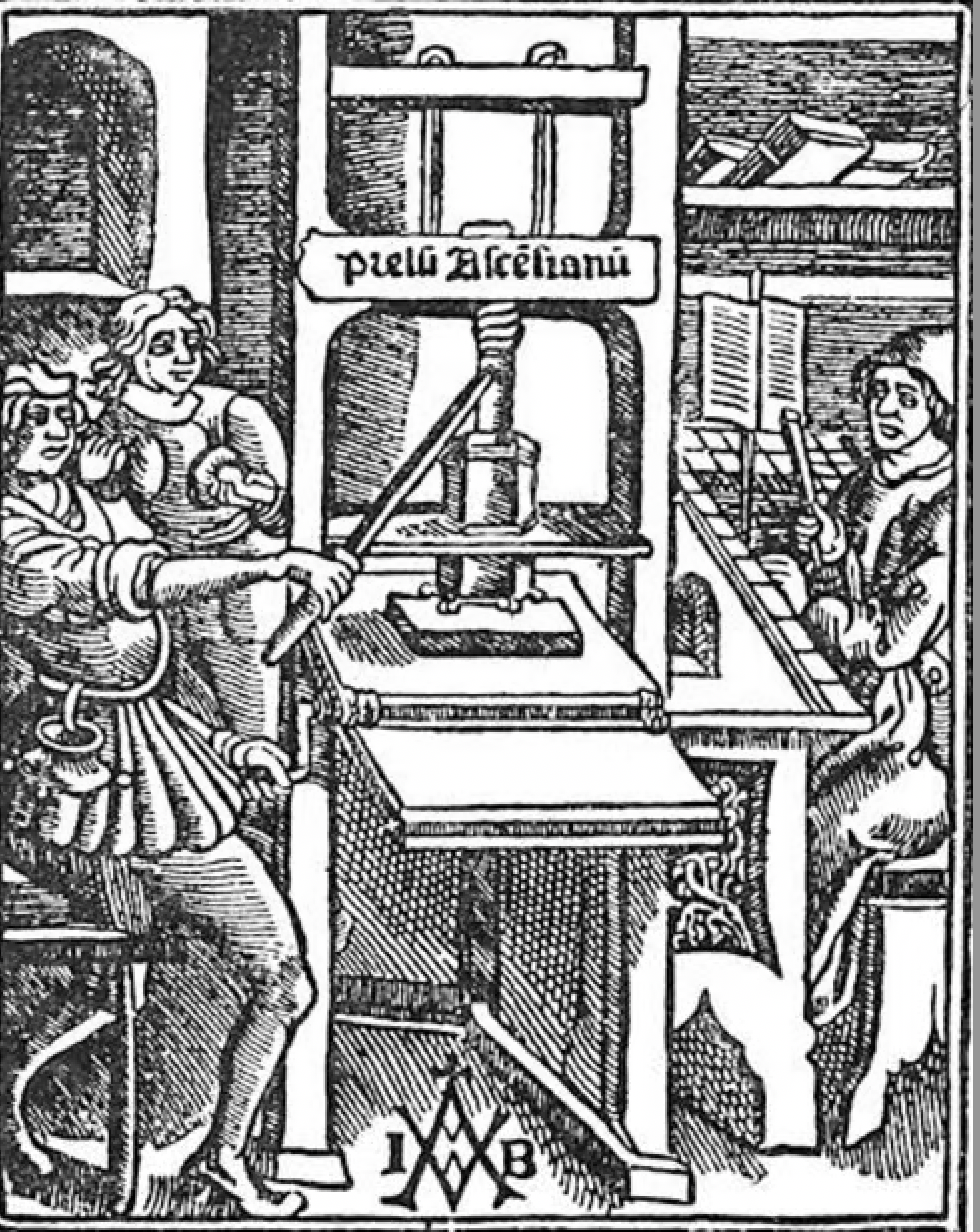
The printing press arrived in Britain at the end of the 1400s
It had a significant impact during the Early Modern period
Books could now be made much more quickly and cheaply than hand-copied books
Information and ideas spread far more quickly
Scientists were able to share and build on each other's ideas
Information was also far more difficult to control
Translations of the Bible - which the Church had successfully banned for centuries - spread quickly
Growth of towns in early modern Britain
Populations of towns and cities increased rapidly during the Early Modern Period
London's population tripled during this time
It became the biggest city in Europe
All towns and cities experienced rapid expansion and developed overcrowded suburbs beyond their medieval walls
By 1750, around 1 in 5 British people lived in towns compared to around 1 in 10 during the medieval period
The increased urban populations made towns even less healthy places to live
Worked Example
Give one example of an important technological invention that affected British society in the Early Modern Period. (1 mark)
One technological invention that affected British society in the Early Modern Period was the printing press, which enabled books and ideas to spread much more quickly, cheaply and easily.
Examiner Tips and Tricks
The final question on this paper is worth 18 marks, which is over 40% of the total marks available.
You will be given a choice of two questions to select from. Carefully read through both of them and choose the one in which you feel your knowledge and understanding are strongest. Do not make the mistake of answering both!

Unlock more, it's free!
Join the 100,000+ Students that ❤️ Save My Exams
the (exam) results speak for themselves:

Was this revision note helpful?
