Changes in Living Conditions in Early Modern Britain (OCR GCSE History B (Schools History Project)): Revision Note
Exam code: J411

Summary
There were no dramatic changes in living conditions from the medieval period to the Early Modern Period. The changes that happened did not have a positive impact on people's health and life expectancy. Most people continued to live in the countryside. Their diet, housing and sanitation remained much the same as those in medieval times. Things changed in towns, but not for the better, as the towns became bigger and more crowded. As a result, they became more polluted and clean water became even more difficult to come by.
The air also became more polluted because more fires were being burned. Coal, which is a more polluting fuel, became commonly used in the Early Modern Period.
The diet of ordinary people remained unchanged but the rich were able to afford new food and drink that was brought to Britain from the Americas.
Housing in early modern Britain
There was no great improvement in housing in the Early Modern Period
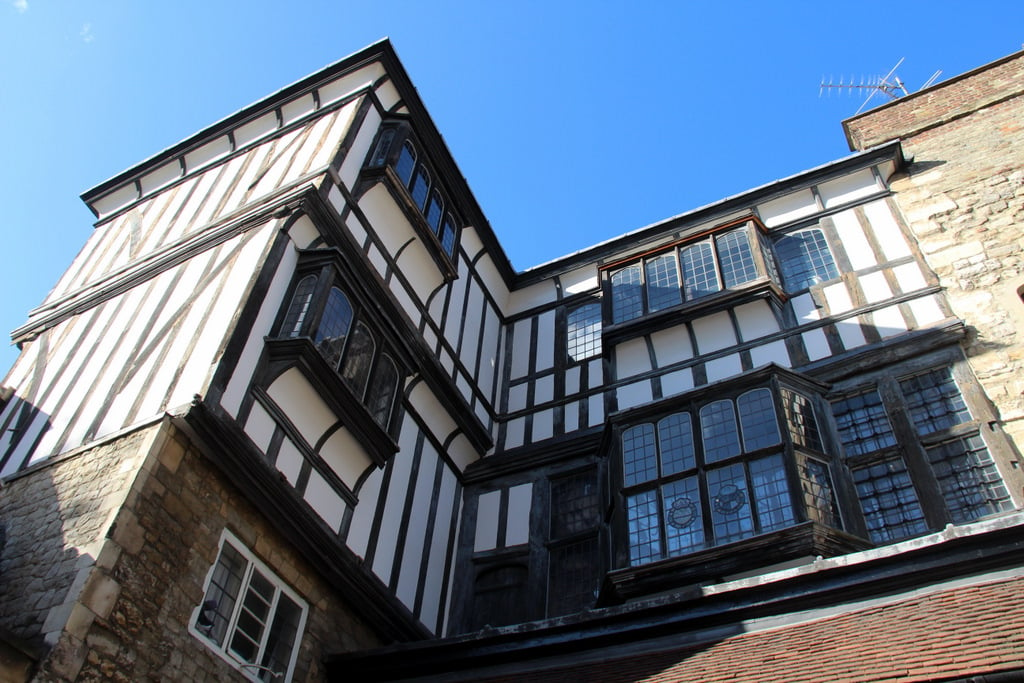
Most people continued to live in timber-framed houses with wattle and daub walls
Towards the end of the period, the number of houses made entirely from stone or even brick was increasing
This was particularly true in towns where outbreaks of fire were common
The high price of land meant that townhouses were often one room wide but several stories high
The upper stories were commonly larger than the lower floors and jutted out over the street
Food in Early Modern Britain
The diet of most people was still pottage
This vegetable soup was made with whatever ingredients were available but commonly consisted of onions, turnips, leeks, beans and barley
Bread, cheese and eggs were also eaten frequently but meat and fish were rare treats for most people
The threat of starvation was greatly reduced from medieval times, but widespread hunger remained common
This lack of food left people weak and more likely to become ill
The diet of wealthy people in the Early Modern Period continued to contain more meat but also new ingredients from abroad
Tea, coffee and hot chocolate all became popular amongst the wealthy at this time
There were hundreds of coffee houses in London in the 1700s
New foods from the Americas, including potatoes, tomatoes, chillies, pumpkins and squashes
These became common in diets of the rich
Sugar that was grown by enslaved people in Britain's colonies also began to feature in the British diet more than ever before
This damaged the teeth and health of the wealthy
Clean water in Early Modern Britain
Drinking water continued to be very dangerous in the Early Modern Period
People of all ages continued to drink 'small beer'
This had a very low alcohol content but the brewing process helped kill germs and preserve it
Drinking water in the rapidly growing towns was especially dangerous
By the Early Modern Period, most towns had built conduits or public water fountains
People would collect water in buckets from the conduits or buy it from water sellers who carried it from door to door
In larger cities such as London, wealthy people paid for water to be piped into their homes
Lead pipes were used to transport the water from clean springs that were miles away from the city
Wealthy people could pay a subscription to receive the water
Lead had been used for water pipes since Roman times as it is soft and easy to bend into shape and repair
The word 'plumber' comes from the latin word for lead - plumbum
However, we now know that lead is highly toxic and the use of lead water pipes can lead to lead poisoning
Examiner Tips and Tricks
Identifying continuities and changes between different periods is key to succeeding in this paper. Creating summaries of the living conditions, epidemics and improvements of each period can help cement things in your mind.
Waste & air pollution in Early Modern Britain
Dealing with waste
The waste produced by people in the Early Modern Period was organic
People produced much less waste than people in the modern era
Much of the waste was excrement,
This could be deadly if not disposed of properly, leading to the spread of disease
Most people still lived in the countryside
In the countryside, people continued to dig small ditches to bury their excrement or walked into the woods, just as they had in medieval times
In the growing towns and cities, the large amount of human excrement produced every day was a health issue
Where possible, privies (sometimes known as jakes) were built over streams and rivers
This meant the excrement would be washed away
Most people would use a cesspit that was dug into the yard of their home
These were often lined with barrels to try to stop the excrement seeping into the surrounding soil
The cesspits frequently leaked and could contaminate local water supplies
Even if cesspits did not leak, they had to be emptied at least once a year
This was a dirty, dangerous and expensive job that involved moving barrels full of excrement through houses and streets
The people who were paid to empty cesspits were known as scavengers and were well paid
General household waste, such as ash from the fire, was collected in towns every week by people known as rakers
Excrement, both human and animal, was a daily issue in the Early Modern Period
Failure to keep excrement separate from both food and water supplies had deadly consequences
Air Pollution
Cooking and heating of homes in the Early Modern Period relied on open fires
During the medieval period, the fuel used was almost always wood
In the 17th century, the price of coal dropped and became a very popular fuel in towns and cities
Wood smoke is harmful if inhaled; coal smoke is even more toxic
Bakers, blacksmiths and many other trades would have also burnt coal in their ovens and forges
The result was that towns became very smoky and polluted places
Breathing air polluted by thousands of chimneys led to many people in towns and cities developing respiratory diseases
Londoners in the 17th century frequently coughed up black mucus from breathing in soot and smoke
Worked Example
Name one way in which people in towns obtained water in the Early Modern Period.
[1 mark]
One way in which people obtained water in the Early Modern Period was to purchase it from water sellers who collected it from conduits and sold it door to door. [1]
Worked Example
In question 4/5, you will be asked how far you agree about something. You need to provide a balanced argument that presents both sides of an issue before choosing one in your conclusion.

Unlock more, it's free!
Join the 100,000+ Students that ❤️ Save My Exams
the (exam) results speak for themselves:

Was this revision note helpful?
