Propaganda & Censorship in Nazi Germany (WJEC Eduqas GCSE History): Revision Note
Exam code: C100

Summary
Propaganda and censorship were essential in enabling the Nazis to maintain control over and influence the German people. The German population was bombarded with Nazi messages in a variety of media, including radio, newspapers, films and magazines.
To ensure no rival viewpoints or perspectives influenced the German people, everything was strictly censored. This included what was played on the radio, shown in cinemas and displayed in art galleries.
Goebbels & Propaganda
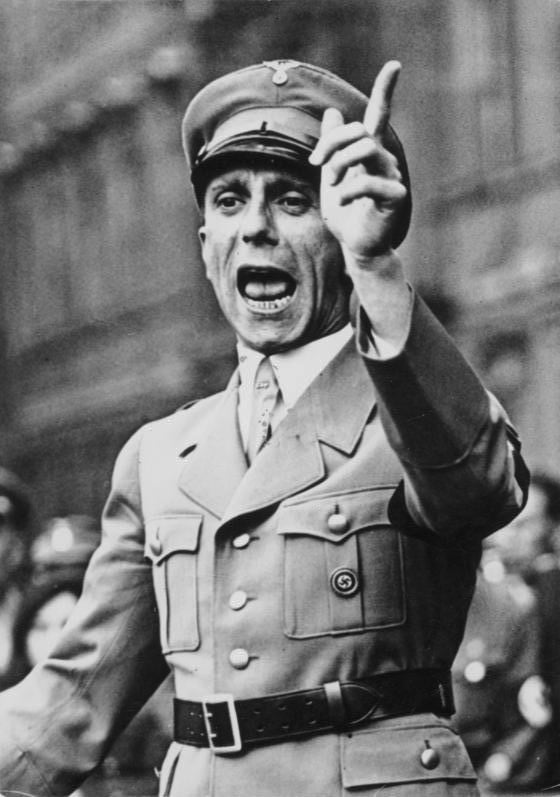
What is propaganda?
Propaganda is one-sided information designed to influence people’s opinions
The Nazi government focused a lot of time and money on propaganda
They believed that if people, especially young people, saw or listened to propaganda, they would support the Nazi regime for life
Joseph Goebbels was in charge of Nazi propaganda
His official title was Minister for People’s Enlightenment and Propaganda
Nazi propaganda focused on three key messages
That the Jewish people are the enemy of the state
That support of Nazi policies was essential
That the Nazi Party would restore Germany's pride and wealth
Use of Rallies in Nazi Germany
The Nazi Party had used rallies throughout the 1920s and early 1930s
The declaration of Hitler as Führer in 1934 allowed him to merge the identity of the Nazi Party with that of Germany:
Rallies became more frequent and created a sense of unity
They were used to advertise the strength of the German Army
The rallies were held despite the military restrictions of the Treaty of Versailles
Nuremberg, a city in the centre of Germany, was chosen to host annual rallies from 1933-38
A special arena was created to host the rallies
It was designed by Albert Speer, Hitler’s favourite architect
The arena had 152 searchlights, which shone into the night sky
It became known as the Cathedral of Light

Radio and cinema in Nazi Germany
Radios were a relatively new technology in the 1930s
The Nazis recognised their potential as a tool to communicate political messages:
Goebbels had relied on the radio during the pivotal election years of 1932 and 1933
After 1933, Goebbels censored most radio stations
The stations were used to spread Nazi beliefs and messaging
The Nazis wanted to ensure that as many German households as possible had a radio
This allowedNazi propaganda to be broadcast directly into their living rooms
The Volksempfänger (The People’s Receiver)

Films
Cinema was very popular in Germany in the 1920s and 1930s
After 1933, every film had to be approved by the Nazi government
Famous Nazi films include:
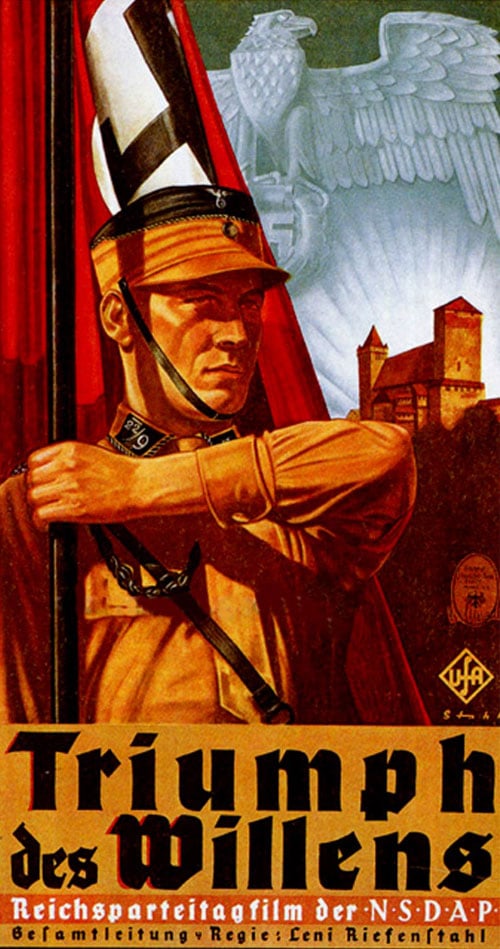
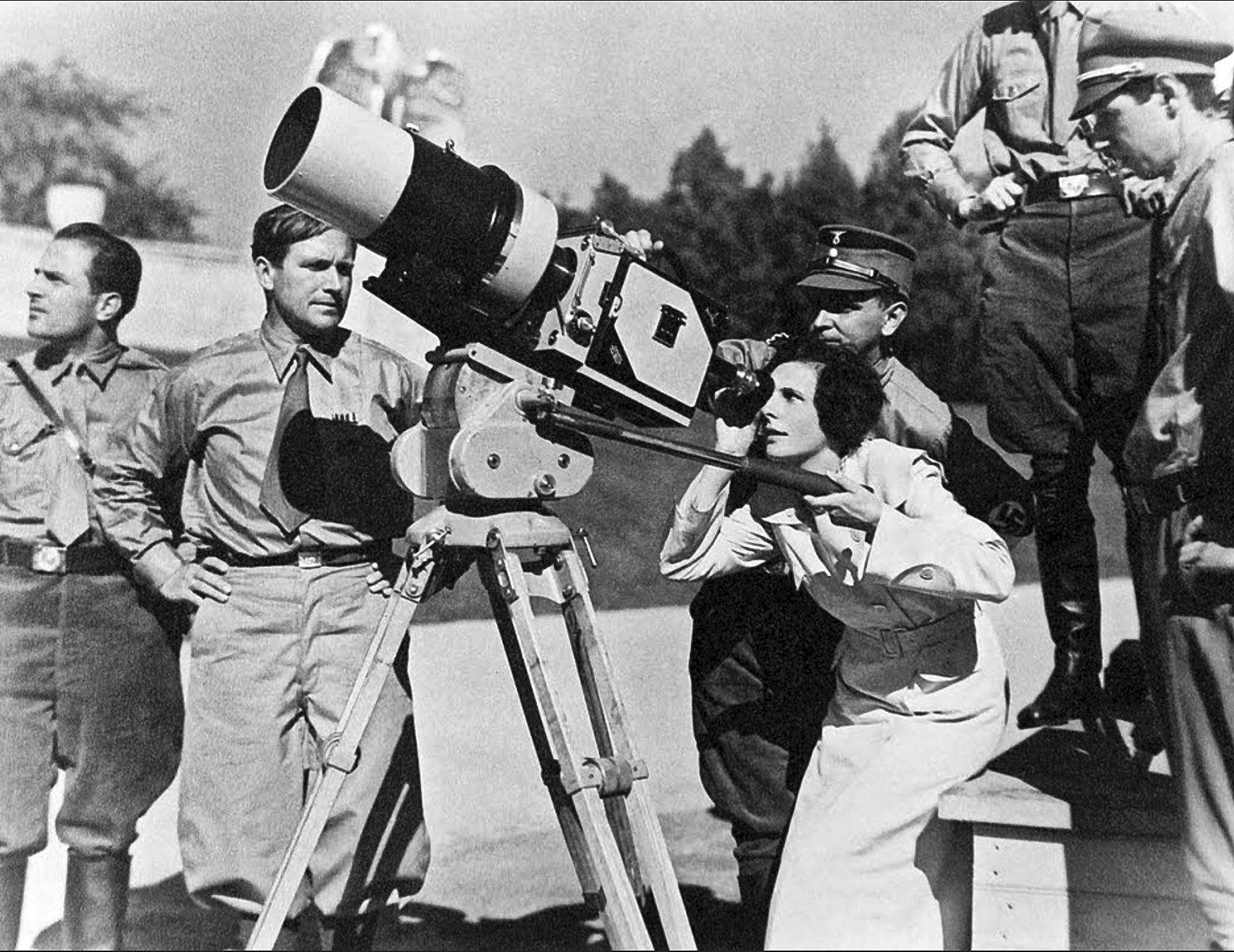
Triumph of the Will (1935)
Directed by Leni Riefenstahl
Presented the strength and power of the Nazi Party at the Nuremberg rallies
Verräter (Traitor) (1936)
Told the story of a traitor who tried to damage German arms factories
His plans are foiled by the heroic Gestapo
Censorship of newspapers and the arts in Nazi Germany
What is censorship?
Censorship is when the government controls what people see, hear, watch or read
In 1933, the Nazi government introduced strict censorship laws
They wanted to get the Nazi message across but they also wanted to prevent people from hearing different perspectives or viewpoints
Censorship in Nazi Germany
Every form of media was highly censored by Goebbels
Newspapers
All non-Nazi newspapers and magazines were closed down
More than 1,600 newspapers and thousands more magazines had been forced to shut down by 1935
The Propaganda Ministry told editors what they could print
Those who refused to obey the Nazis were arrested and sent to concentration camps
Art
Goebbels established the Reich Chamber of Culture
He forced all artists, musicians and writers to become members
If they did not join, their work was automatically banned
This caused many artists to leave Germany in the 1930s
Hitler hated modern impressionist and abstract art and banned it
He wanted art that portrayed perfect Aryans working hard and living simple, peasant lives
He wanted women to be shown as housewives
Modern music, such as jazz and swing, was hated by the Nazis and banned
Its origins and stars were Black Americans, whom the Nazis believed belonged to an inferior race
Instead, they favoured classical German composers such as Bach, Beethoven and Wagner
Modernist architecture, such as that from the Bauhaus, was completely rejected by the Nazis
Greek or Roman-style buildings were made in Nazi Germany, and from 1934 onwards, all new public buildings had classical sculptures outside them
Examiner Tips and Tricks
In the final question on this paper, you will be asked to what extent you agree with an interpretation. Being able to quickly and accurately identify exactly what the interpretation is saying is key to your success in answering this type of question.
Underline the important words and phrases in the interpretation and try to summarise it in a single sentence.
Then, use your knowledge and understanding of the period to argue in favour of the interpretation.
Next, use your knowledge and understanding of the period to argue against the interpretation
Finally, conclude with a reasoned and substantiated (back-up) conclusion where you reach a judgement on how much you agree with the interpretation.
There are also SPaG marks on this question, so go through and check your spelling!

Unlock more, it's free!
Join the 100,000+ Students that ❤️ Save My Exams
the (exam) results speak for themselves:

Was this revision note helpful?
