Political Change in the 1960-70s (WJEC Eduqas GCSE History): Revision Note
Exam code: C100

Summary
When John F Kennedy became President in 1961, he seemed to represent a new, youthful and optimistic era. He planned to improve American society through a program of change that he called the New Frontier. This would focus on the problems of poverty, education, health and civil rights. Some progress was made in these areas, but Kennedy’s death in 1963 means that we will never know how successful the New Frontier would have been.
Richard Nixon lost the 1960 election to Kennedy but was eventually elected President in 1968. His second term as president became bogged down in a scandal that became known as Watergate. The scandal centred around a break-in of the offices of Nixon’s political opponents and how much Nixon knew about the break-in. The discovery that Nixon had secretly taped conversations in the White House provided evidence that indicated that Nixon did know about the break-in and eventually caused him to resign in disgrace before he could be impeached.
The Domestic Policies of Kennedy
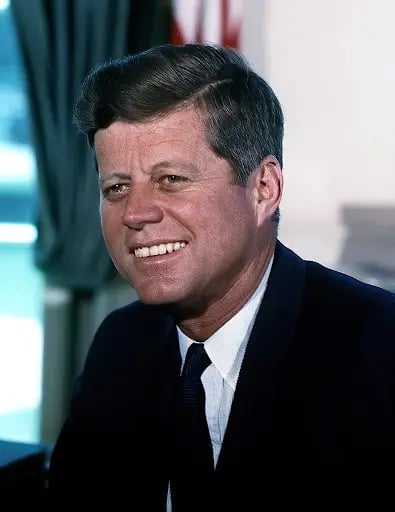
John F Kennedy became President of the United States in 1961
During his acceptance speech for the Democratic nomination in 1960, he outlined the policy of the New Frontier
Kennedy wanted to make the USA a better, fairer place for all Americans.
The New Frontier policy focused on:
Economic growth
The removal of racial discrimination
The improvement of public programs through the use of federal aid
Kennedy described the New Frontier as a set of challenges and issues that the American people faced and had to overcome. These problems included:
Poverty
Education
Health
Civil rights
Kennedy and Poverty
In 1961, when Kennedy became President, the US was in a recession, and unemployment had risen to around 7.1% in 1961
Kennedy’s New Frontier focused on:
Economic growth
Reducing unemployment
Achievements
The Housing Act of 1961 gave $4.9 billion in cheap loans to redevelop inner- cities
The minimum wage was increased from $1 per hour to $1.25
The Commission on Equal Employment Opportunity (CEEO) was created to make sure government employees had equal opportunities
Failures
The Housing Act focused on the poorest people who could not pay back their loans
Kennedy’s minimum wage reform only benefited the unemployed
The CEEO focused on those who already had a government job, and not the unemployed in other industries
Kennedy and Education
Kennedy wanted to increase spending on education and improve educational programs
He believed that education helped to uphold the economic strength of America
Achievements:
In 1961, Kennedy wanted to increase federal aid to schools
Kennedy created the Peace Corps in 1961, sending volunteers abroad to help people in poorer countries work as teachers, doctors, and technical advisors
Many Americans joined the Peace Corps, and it still exists today
Failures:
Congress blocked Kennedy's attempts to provide Federal funds for schools over fears of desegregation in schools
Many Southern politicians disagreed with Kennedy over civil rights and therefore refused to support his other reforms
Kennedy and Health
In the 1960s, Americans had to pay for their medical treatment due to the private healthcare system
This was expensive and often resulted in many Americans being unable to access medical care
Kennedy wanted to make health care more accessible to all Americans
Achievements:
In 1961, Kennedy planned to introduce a new, cheap health insurance system for the elderly called Medicare
The Social Security Act of 1962 increased benefits for the elderly and unemployed
Failures:
Congress refused to support Kennedy’s plans for Medicare
Kennedy and the Civil Rights Movement
Kennedy wanted to make the USA a fairer and better place
He planned to do this by giving equal rights to all black Americans, supporting them to receive a quality education
Achievements:
Kennedy introduced the Civil Rights Bill to Congress in February 1963
This aimed to provide blackAmericans with equality in housing and education
Kennedy created more jobs for black Americans than any other US President before him
Kennedy threatened legal action against the state of Louisiana
Which refused to fund schools that were desegregated
In October 1962, Kennedy sent 23,000 government troops to the University of Mississippi to ensure that one black student, James Meredith, could study there
Kennedy put pressure on individuals such as Governor George Wallace in 1963 to release protestors who were jailed in the Birmingham marches
Failures:
Kennedy failed to get the Civil Rights Bill passed during his presidency; it was later passed by President Johnson in 1964
Kennedy’s support of the civil rights movement affected his relationship with Congress, which resulted in Congress refusing to support his other programs and reforms
Kennedy’s Assassination
Kennedy was assassinated on 22nd November 1963
His early death meant many of his programs and reforms remained incomplete
However, his assassination created sympathy, which helped President Johnson pass civil rights laws
Nixon & Watergate
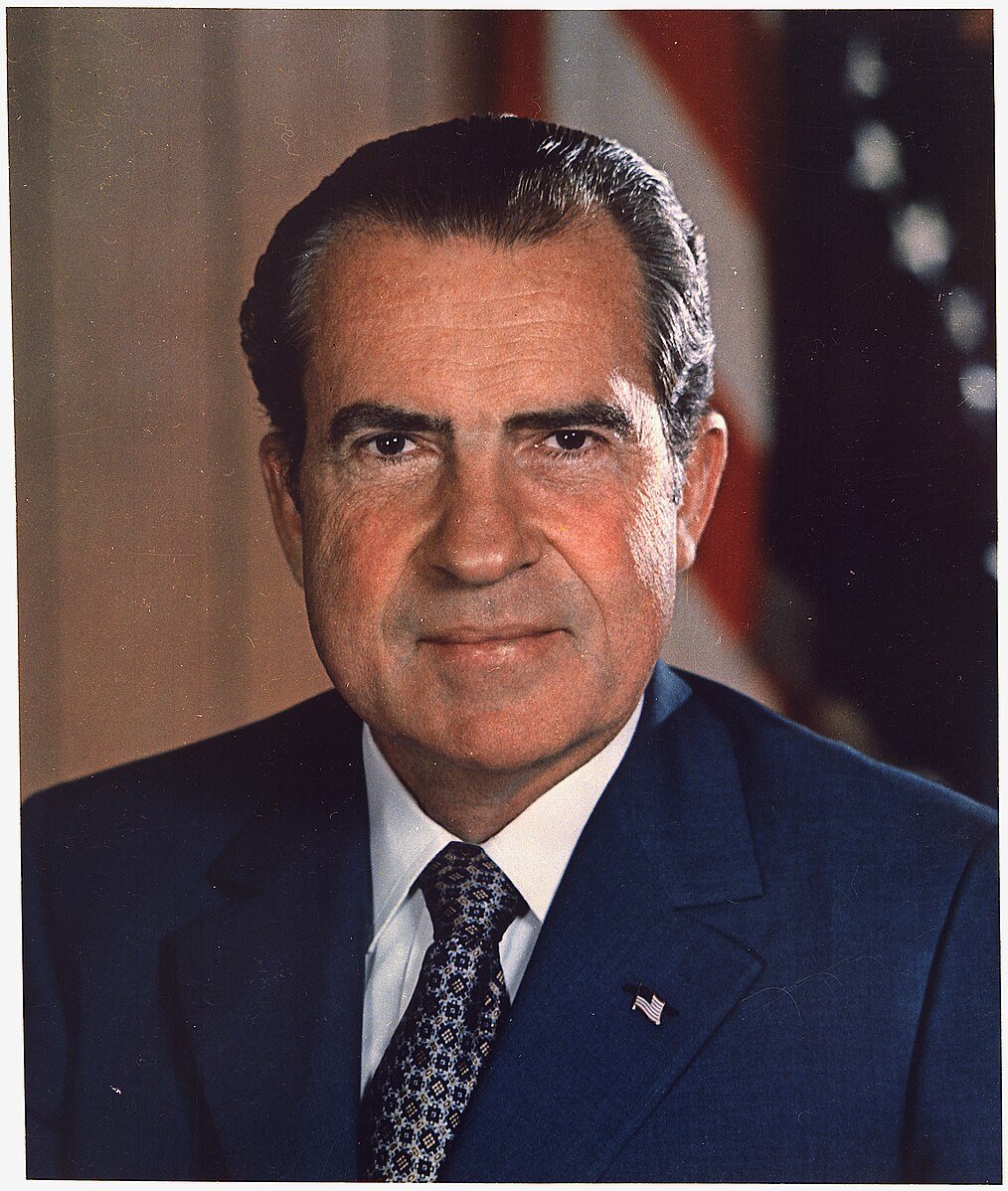
Richard Nixon had lost the presidential election against John F. Kennedy in 1960, but won in 1968
He was reelected as president in 1972, but the scandal that became known as Watergate led to his resignation in 1974
What was the Watergate Scandal?
In 1972, five members of the Committee to Re-elect the President, a ‘dirty tricks’ department set up by Nixon, were arrested
They had been caught breaking into the offices of the rival Democratic Party in the Watergate Building
They were attempting to install secret listening devices or “bugs”
Two journalists at the Washington Post reported that all five burglars worked for Nixon, but the President denied any knowledge or involvement
All five of the burglars were convicted at a trial in 1973, and one claimed the White House was trying to cover up the plot
Nixon denied this, but two of his closest advisors resigned
The US Senate set up a committee to investigate the claims of a cover-up by the president, and its questioning of White House officials was televised
One of Nixon’s aides claimed there had been a cover-up by the president
Another told the committee that Nixon had installed secret listening devices in the White House and that all of his conversations had been taped
Nixon refused to hand over the tapes
Eventually, Nixon was forced to hand over the unedited tapes, and they proved that he had been involved in the plot to break into the Watergate Building
They also proved that he had repeatedly lied to the committee and the American people
The US Congress decided to impeach Nixon
This meant he would have been put on trial for his role in the break-in in and the Senate would have acted as the jury and decided his guilt
To avoid this, Nixon resigned on 8 August 1974
The Impact of Watergate
Nixon was forced to resign with his reputation in ruins
He was nicknamed ‘Tricky Dicky’ by the newspapers and TV
The scandal damaged the reputation of American politicians in general
The reputation of the USA was also severely damaged
However, the Watergate scandal seemed to prove that the American Constitution and political system worked
The President had been found out, held to account and forced to resign
It also led to a series of measures that limited the powers of the government
Such as the War Powers Act, the Election Campaign Act and the Privacy Act
Examiner Tips and Tricks
Once you have referred to John F. Kennedy by his full name in the exam, it is fine to refer to him as JFK from then on. This can help save precious time.

Unlock more, it's free!
Join the 100,000+ Students that ❤️ Save My Exams
the (exam) results speak for themselves:

Was this revision note helpful?