Political Change in the 1980s (WJEC Eduqas GCSE History): Revision Note
Exam code: C100

Summary
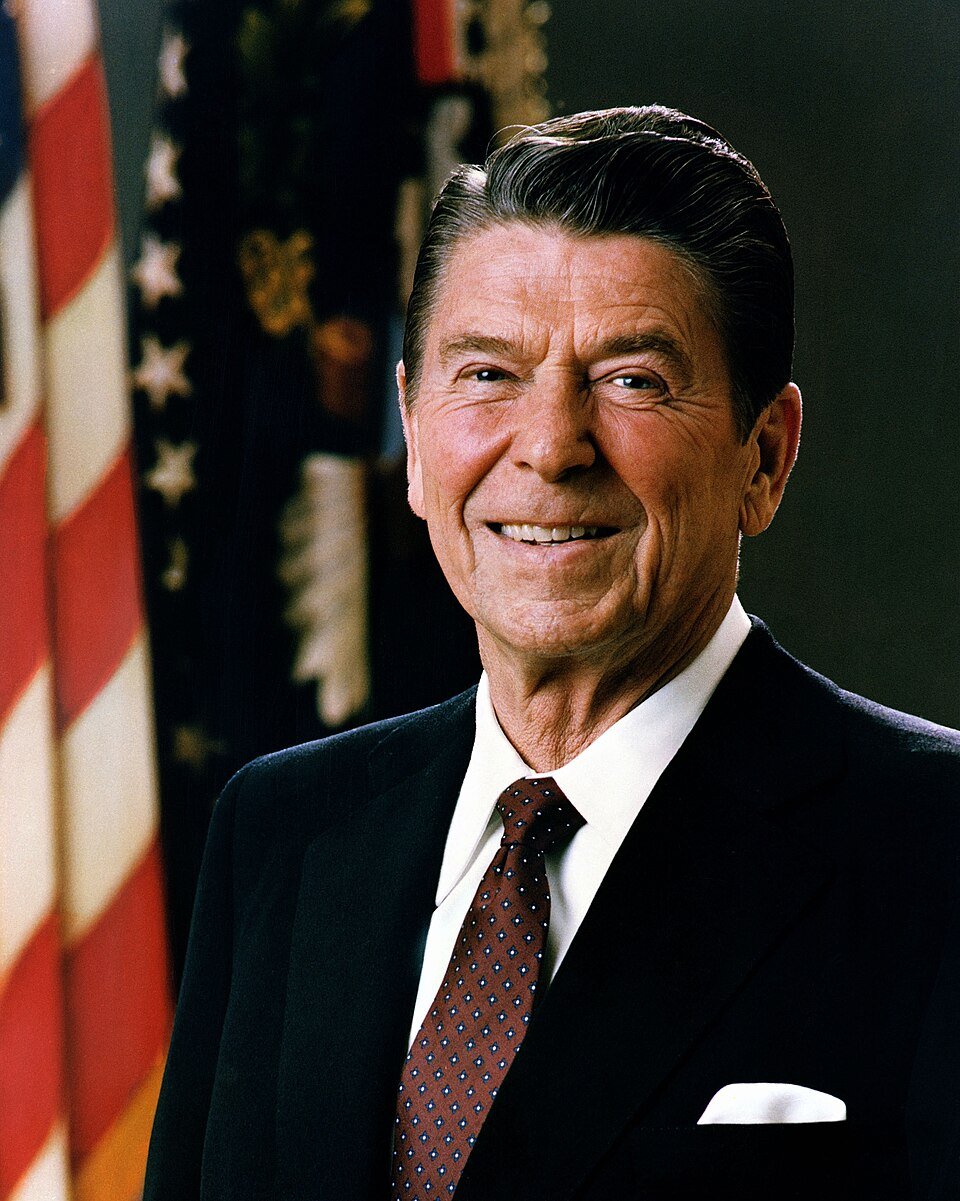
Ronald Reagan was elected President in 1980 during an economic crisis. His solution to the crisis was drastic and controversial, and led to both taxes (which raised income for the government) and welfare programmes (which cost the government money) being cut. This approach became known as ‘Reaganomics’, and it was hoped that people would spend all the money the tax cuts had let them keep. By doing this, Reagan believed the money would ‘trickle down’ to all parts of American society, making everyone more wealthy. In reality, many Americans struggled without the support of the welfare programmes.
However, Reagan also greatly increased military spending. With hardly any tax revenue, the government debt reached record levels. The economic situation worsened following the 1987 stock market crash.
The Reagan Years
What was ‘Reaganomics’?
When Reagan came to the White House, unemployment was at 7.5% and rising, and inflation had increased to 15%
His solution to these economic problems became known as ‘Reaganomics’
The key features of Reaganomics were:
Enormous tax cuts for businesses and the rich
Stopping benefits for the poorest people in American society
The thinking behind Reaganomics was that the wealthy people would spend the money that hadn’t been taken from them in taxes
This money would then ‘trickle down’ to the middle class and working classes and make everyone better off
With extra money in the economy and with everyone better off, Reagan argued there would be no need for welfare programmes to help the poor
In Reagan’s first three years as President, he cut welfare spending by over $20 billion a year
At the same time, he introduced the biggest tax cut in American history and reduced taxes by $33 billion
What were the effects of Reaganomics?
Without welfare programmes such as food stamps and Medicare, many Americans were pushed into poverty
The tax cuts were so severe that the government was hardly collecting any money
However, even though welfare programmes were cut, spending on defence almost doubled between 1981 and 1987
This caused the American Government to borrow money and led to the national debt reaching record levels of $1 trillion
Things got worse in 1987 due to one of the worst stock market crashes since 1929
Many people believed that Reaganomics largely caused the crash
The Arrival of AIDS in the USA
By 1985, nearly 4,000 people in America had died due to Acquired Immune Deficiency Syndrome (AIDS)
By 1989, that figure had risen to 46,000 deaths, with a further 800,000 Americans infected with either HIV or AIDS
Reagan was strongly criticised for failing to act or even publicly speak about AIDS in his first years as President
However, by 1989, his government was spending $2.3 billion a year on AIDS prevention and research
Examiner Tips and Tricks
For question 3, you will be given three factors that contributed to or influenced an event and will be asked to arrange them in order of significance.
There is no right or wrong order for this question and the mark you will receive will depend on the quality of the justification you give. A good justification demonstrates excellent subject knowledge and explains the significance of every factor, not just the one you chose as most significant.

Unlock more, it's free!
Join the 100,000+ Students that ❤️ Save My Exams
the (exam) results speak for themselves:

Was this revision note helpful?