Changes in Music, Entertainment, Media & Literature (WJEC Eduqas GCSE History): Revision Note
Exam code: C100

Summary
The second half of the 20th century saw American popular culture transform beyond all recognition. The rock’n’roll that emerged in the 1950s was an enormous break with what had come before. Things continued to change and evolve, and disco, heavy metal and hip hop, amongst others, would all become hugely popular styles of music as the decades passed.
The American movie industry continued to be successful despite the popularity of television from the 1950s onwards. The development of video cassette recorders (VCRs) enabled film studios to sell and rent their movies after they had appeared in cinemas. The Information Technology revolution began towards the end of the 20th century, with computers and games consoles commonly found in American homes. As the century came to a close, computers connected to the internet became increasingly common.
Literature also changed during the 20th century, and the search for the Great American novel led to a more realistic and less glamorous portrayal of American society in novels.
Changes in Music in the US
Rock’n’roll and the 1950s
Rock’n’roll was a new style of music and dance which developed in postwar USA
It had strong links to rhythm and blues (R&B) music
Rock’n’roll appealed to young people
Artists sang about love and the experience of youth
Artists influenced the fashion that young people wore
Older generations did not approve of rock’n’roll
They believed that rock’n’roll artists were a bad influence on young people because:
The lyrics promoted promiscuity
The music encouraged disrespect towards authority figures
They believed that artists encouraged young people to commit criminal activities
Young people drank alcohol and used drugs at rock’n’roll concerts
Popular rock’n’roll musicians in the 1950s and 1960s include:
Elvis Presley
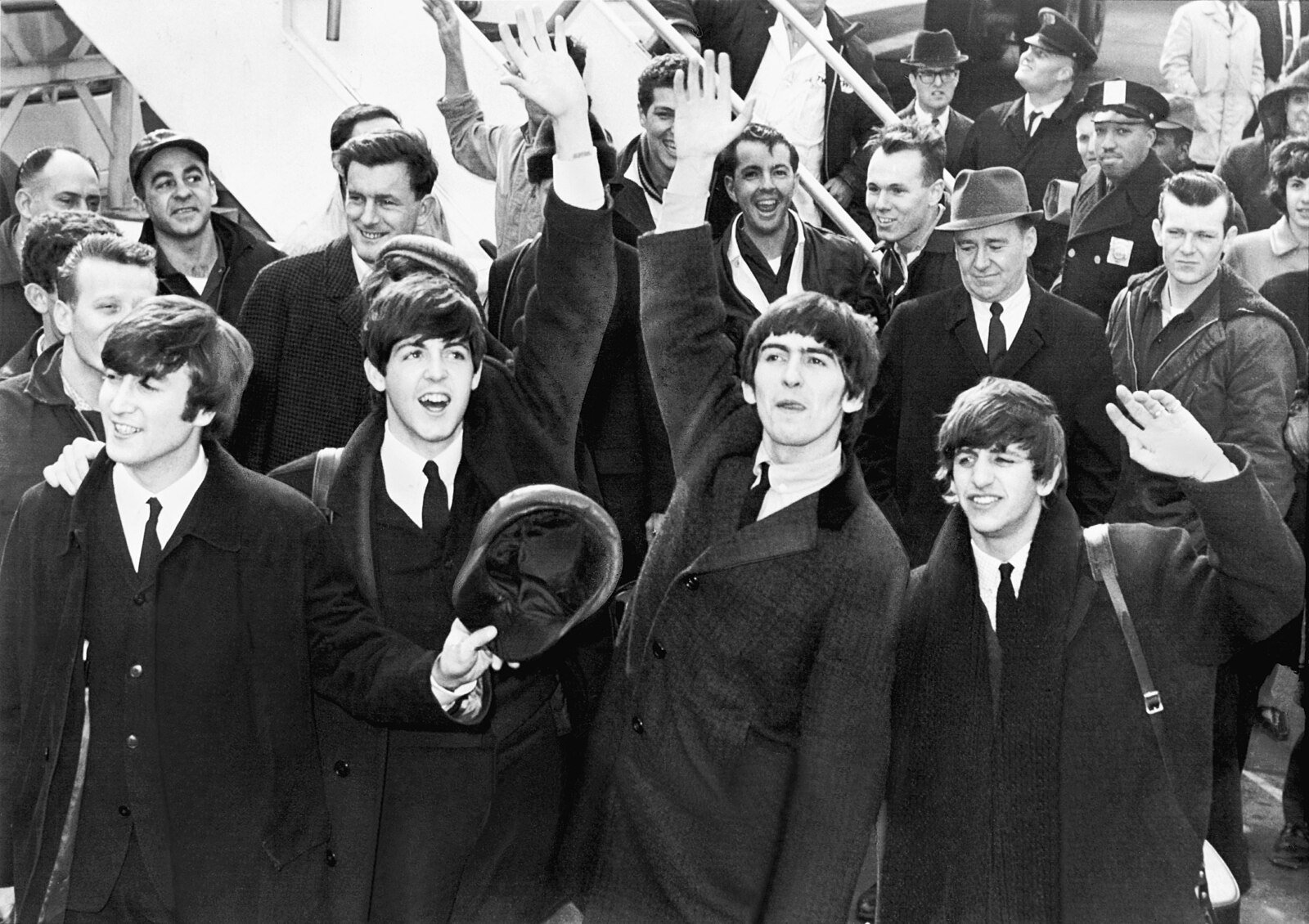
The Beatles
The Black American rock’n’roll artists who became popular with white audiences included:
Chuck Berry
Little Richard


The ‘British Invasion’ and the 1960s
British rock’n’roll bands became popular in America in the 1960s, such as
The Beatles
The Rolling Stones,
The Animals
The Who
Rock’n’roll began to evolve and develop, and hard rock and folk rock artists began to emerge
These new styles, sung by artists such as Bob Dylan, became associated with protest and rebellion
Disco, Heavy Metal and Hip Hop from the 1970s to 2000
The late twentieth century saw an explosion in creativity and experimentation in American music
The development of electronic music and synthesisers developed in disco music in the 1970s
Millions of Americans went out at the weekend to dance to songs by artists such as
Donna Summer
Chic
The Bee Gees
Disco was especially popular with women and was seen by many as a reaction to the male-dominated hard rock
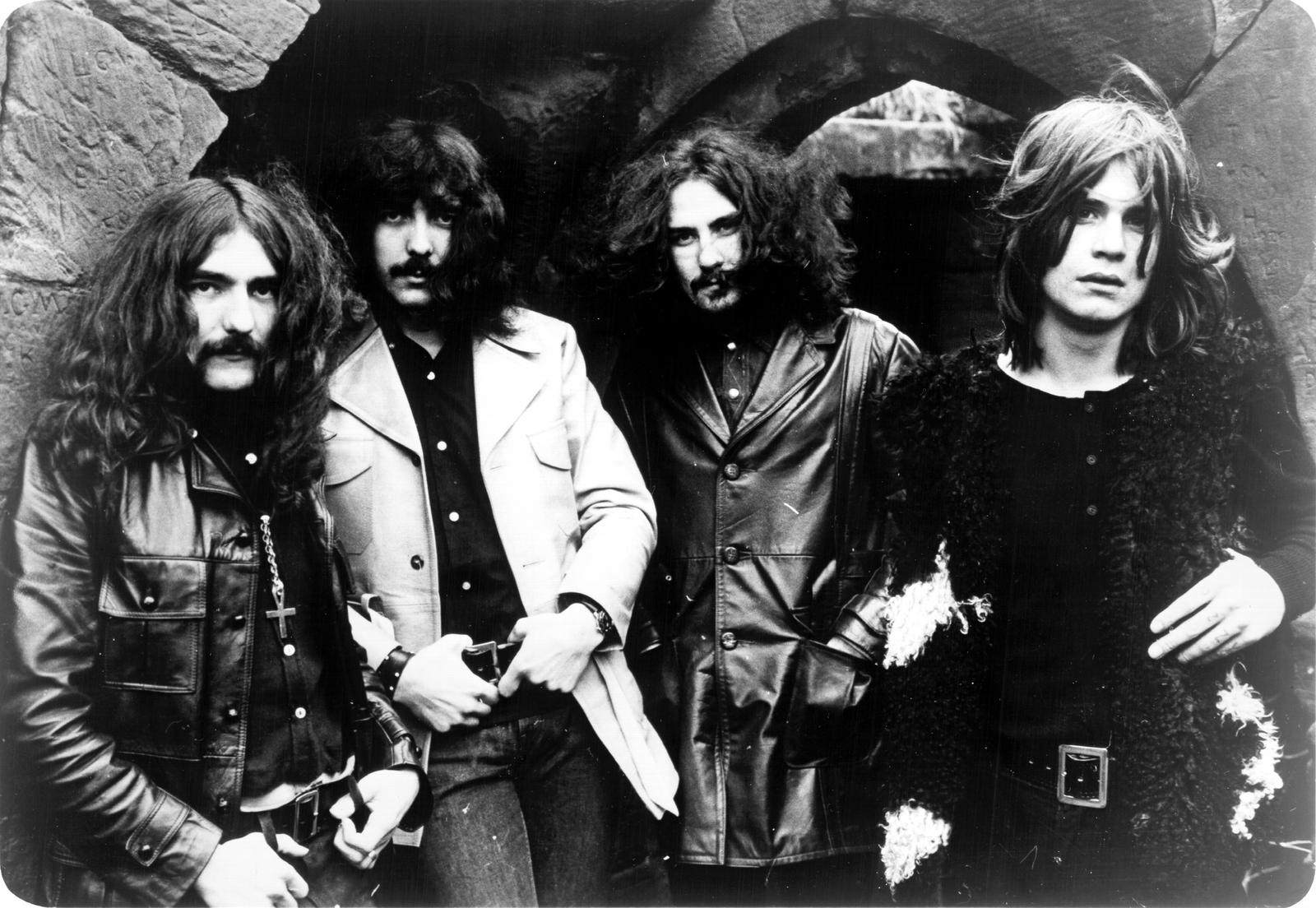
The hard rock of bands such as Led Zeppelin got even harder during the 1970s and 1980s, and bands such as Black Sabbath, Motörhead and Iron Maiden had millions of fans
This type of music became known as heavy metal
In the late 1970s and early 1980s, rap and hip hop music emerged from Black American communities in cities on the East Coast
Hip hop soon became mainstream and wildly popular with Black and white audiences in both America and around the world

Changes in Entertainment in the US
Cinema
The American movie industry continued to thrive throughout the second half of the 20th century
The development of widescreen colour movies and drive-in theatres and multiplexes meant that a night at the movies was still enjoyed by millions of Americans
In the 1970s, studios began producing expensive ‘blockbuster’ movies such as Jaws and Star Wars
The development of the home video cassette recorder (VCR) meant that film studios could make more money from renting and selling video cassette tapes
By the 1990s, over 75% of American homes had VCRs

Changes in Media in the US
Television
A visit to the cinema remained very popular despite television becoming increasingly popular as the 20th century progressed
Television was invented in the early 1900s
By 1960, 87% of US homes owned a television
Television became more affordable after the Second World War
Television replaced radio in popularity
In the 1950s, popular television shows included
I Love Lucy
A sitcom starring Lucille Ball and Desi Arnaz
Perry Mason
A legal drama following a criminal defence lawyer
The Twilight Zone
A fantasy science fiction horror show
Many US families watched cartoons
They were made for both children and adult audiences
By the 1960s, television had colour technology
In the 1960s, the most popular cartoons were:
Top Cat
The Flintstones
TV shows reflected the key American values of:
The American Dream
Traditional family structures
Long-running dramas known as soap operas, such as Dallas and Dynasty, became hugely popular in the 1970s and 1980s
Chat shows, such as Donahue and the Oprah Winfrey Show, gathered audiences of millions and made their hosts household names
TV shows had sponsors and used product placement
People had more money to buy consumer goods
If their favourite character used the product, they would be more likely to purchase it
This increased consumerism
Information Technology
The end of the 20th century saw the arrival of personal computers (PCs) in millions of American homes
Although PCs were made by a large variety of companies, such as IBM, the software they operated on became dominated by Microsoft
Microsoft was founded in 1975 by Bill Gates, and by the 1990s, nearly all computers ran on Microsoft Windows
In the early 1990s, user-friendly interfaces were developed that enabled many Americans to access the internet for the first time
Use of the internet grew enormously throughout the 1990s and drove the sales of even more PCs
Game consoles first became available in the 1970s, but the arrival of the Nintendo Entertainment System (NES) in 1985 led to gaming becoming extremely popular
By 1989, over 20 million NES consoles had been sold in America
Nintendo’s success was followed in the 1990s by Sega, and then Sony and Microsoft with their PlayStation and Xbox consoles
Information technology had an enormous impact on both business and leisure in America
American companies such as Apple, Amazon and Google were all founded at the end of the 20th century
They were soon to become some of the biggest and most valuable companies in the world
The move to spending so much leisure time on computers and games consoles has led many people to blame them for an increase in obesity levels in America
Changes in Literature in the US
During the 20th century, there was a growing belief that American culture had fully developed
Americans started to believe that their arts, music and literature were now as good or better than those of Europe
In literature, this led to the quest to write the ‘great American novel’
This was a work that would be seen to define what it meant to be American and reflect America’s unique and diverse society
No single book was ever declared to be ‘the great American novel’
However, many novelists became world famous for their novels, such as
Ernest Hemingway, A Farewell to Arms
F. Scott Fitzgerald, The Great Gatsby
After the Second World War, novelists were given great praise for their novels, such as
J.D. Salinger, The Catcher in the Rye
Harper Lee, To Kill a Mockingbird, which dealt with themes of rebellion, mental illness and racism

Unlock more, it's free!
Join the 100,000+ Students that ❤️ Save My Exams
the (exam) results speak for themselves:

Was this revision note helpful?