The Changing Role of Women (WJEC Eduqas GCSE History): Revision Note
Exam code: C100

Summary
With millions of men leaving their jobs to join the armed forces and the need for manufactured weapons, the Second World War meant new opportunities for many American women. Their wages increased, and so did the number of women in work. However, things soon returned to how they were before the war as soon as the men came home.
Life as a homemaker became unsatisfactory for many American women in the 1950s, and they became frustrated by their lack of opportunities in professional occupations. This frustration turned to anger in the 1960s and 1970s, and the Women’s Liberation Movement campaigned for more equality and more opportunities.
By the end of the 1990s, enormous progress had been made both in terms of laws and the attitudes of many in American society. However, equality had not been achieved, and the struggle continued into the 21st century.
The Changing Role of Women in the USA
The Role of American Women in the Second World War
Women made a huge contribution to the war effort by working in factories and producing the weapons and vehicles needed by the military
The number of employed women increased from 12 million in 1940 to 18.5 million in 1945
Around 300,000 American women also joined the American military
During the war, women’s wages rose to two-thirds of those of men
The Role of American Women in the 1950s
By the 1950s, women’s wages had fallen back to 53% of those of men
Many had given up their jobs and returned to being homemakers
However, as the decade progressed, growing numbers of educated, middle-class women grew frustrated with their roles as housewives
Once married, the majority of professions were closed to women, regardless of their qualifications and experience
To many men in the 1950s, the female version of the American Dream was to be a ‘housewife’ with all the latest domestic gadgets to help with the chores
The Role of American Women in the 1960s
By 1960, nearly 50% of the American workforce was female
However, just 7% of doctors, 4% of lawyers and 5% of company managers in were women
This situation began to anger many women
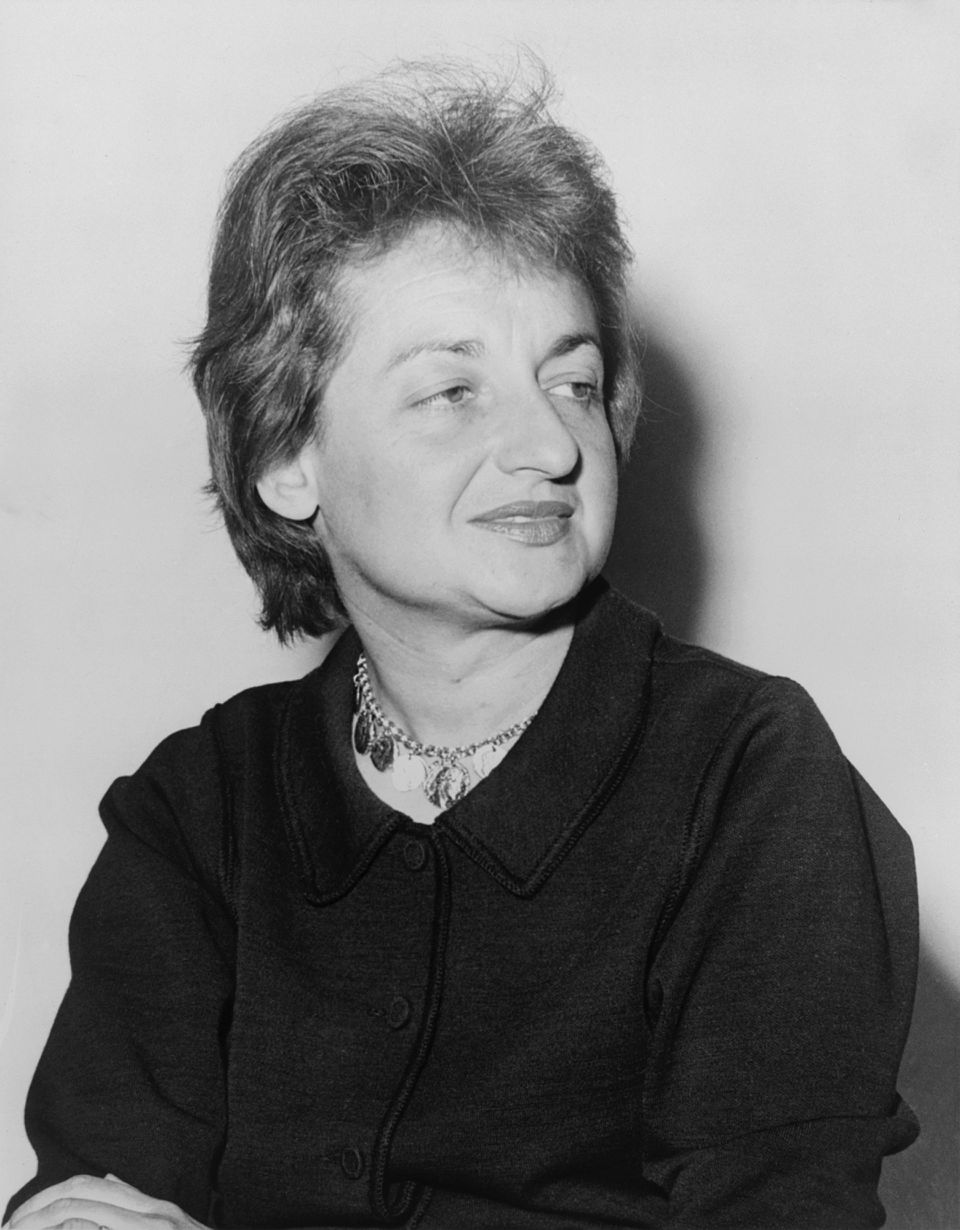
One of those women was Betty Friedan
Her book The Feminine Mystique was published in 1963 and called on women to reject the idea that their happiness was linked to being a homemaker
She called for more professional opportunities for women and set up the National Organisation for Women (NOW) to campaign for them
NOW took cases of gender discrimination to court and saw over 30 million dollars awarded to women who had been paid less than men for doing the same jobs
Amongst other things, NOW campaigned for maternity leave, child day care centres and equal job training opportunities
The Role of American Women in the 1970s, 1980s and 1990s
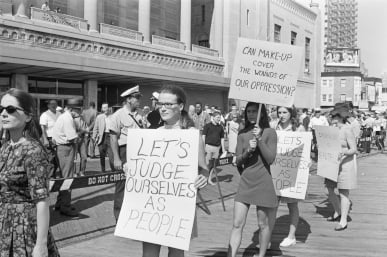
The Women’s Liberation Movement emerged in the late 1960s
This had a more militant approach than NOW, and its supporters became known as feminists
Their protests involved burning bras, which were viewed as symbols of male oppression, and disrupting ‘Miss America’ competitions
Some people criticised the Women’s Liberation Movement and argued that their methods were counterproductive
However, there was undeniable progress in the struggle for gender equality in the second half of the 20th century
Notable events include:
The Educational Amendment Act of 1972
This forced schools to teach exactly the same curriculum to both boys and girls, and better prepare young women for future jobs
In 1973, the Supreme Court ruled that the US Constitution did not give men and women equal rights
The Pregnancy Discrimination Act of 1978
This made the firing of women for becoming pregnant illegal
The Democratic Party selected Geraldine Ferraro as the first-ever female vice-presidential candidate in 1984
Examiner Tips and Tricks
Question 5 on this paper will ask you how important an issue was. Make sure you pay close attention to the date ranges mentioned in the question.
You will not receive any marks for information you provide about events that fall outside of those ranges.

Unlock more, it's free!
Join the 100,000+ Students that ❤️ Save My Exams
the (exam) results speak for themselves:

Was this revision note helpful?