Black Americans & the War Effort (WJEC Eduqas GCSE History): Revision Note
Exam code: C100

Summary
The United States of America was a deeply racist country at the start of the 1940s. Segregation and discrimination were written into law and were a part of everyday life for millions of black Americans, both in the military and in the workplace. The USA’s entry into the Second World War began to change things. The courage, skill and sacrifice of many black Americans in the armed forces saw calls for the end of segregation during the Second World War. However, it took until 1948 for all parts of the American military to become desegregated.
The War also created employment opportunities and led to hundreds of thousands of black Americans moving from the Southern States to work in the factories of the North. Despite playing a crucial role in making weapons and vehicles to help win the war, black Americans still suffered terrible prejudice and discrimination and were usually paid half as much as white workers.
Campaigns to highlight the injustice of this led to President Roosevelt passing Executive Orders to try and end the poor treatment of black American workers.
Segregated Soldiers
When America joined the Second World War at the end of 1941, its armed forces were segregated on racial lines
Black soldiers served in black only units in the US Army
Black Marines were not allowed into combat
The US Air Force would not allow black Americans to become pilots
When joining the armed forces, most black Americans were given the roles of cooks or labourers performing menial jobs
Even in these roles, they suffered from prejudice and discrimination:
Black nurses were only allowed to treat black soldiers
Injured black servicemen were only allowed to receive blood from other black soldiers
Wartime Changes
Conditions and treatment of Black servicemen did improve as the wWar went on
When given the opportunity, black soldiers, sailors and airmen had proven themselves excellent warriors
A tank battalion made up entirely ofof entirely black soldiers fought extremely bravely at the Battle of the Bulge and was praised by the US General Patton
The 332nd Fighter Group was made up of all black pilots and performed brilliantly, defending US bombers from attack
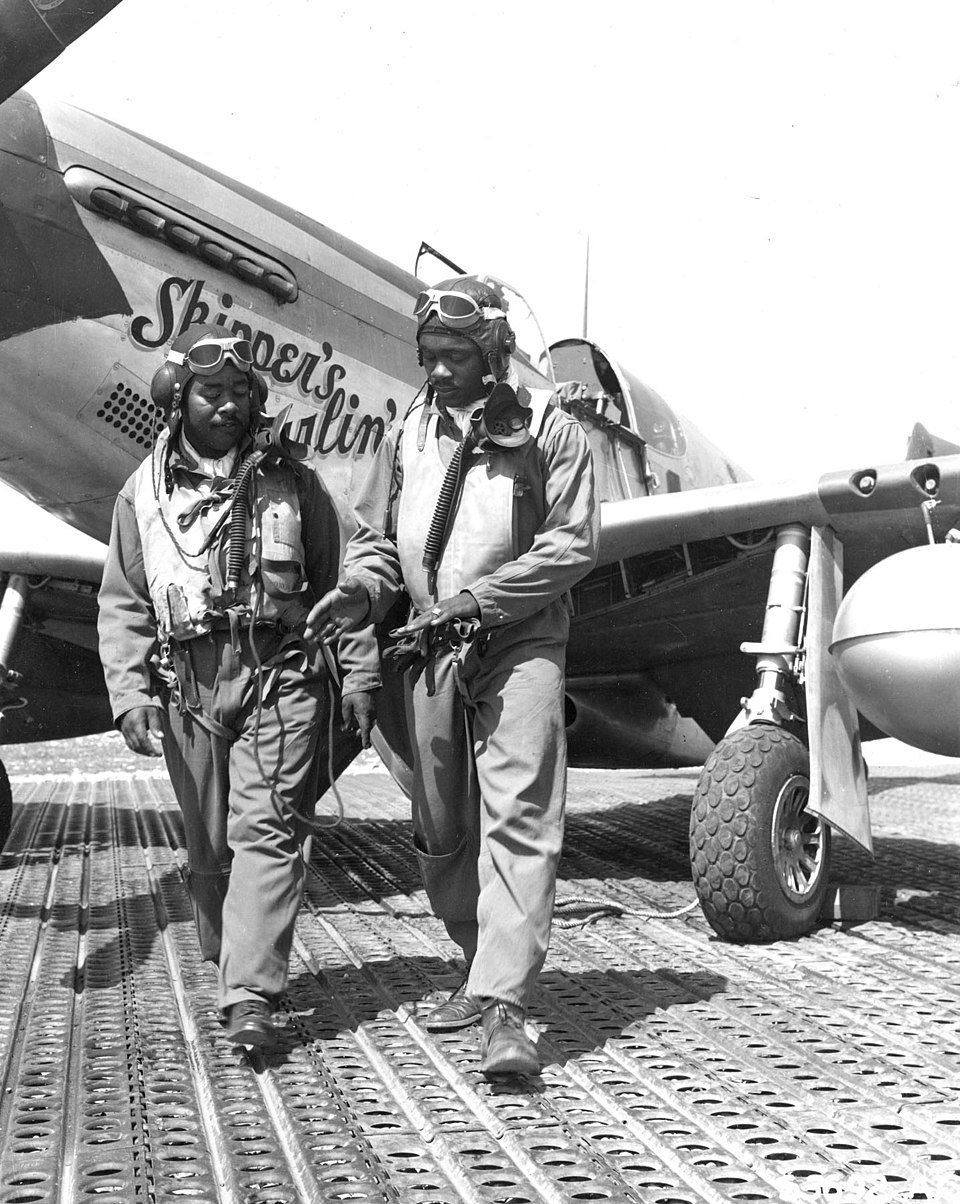
By the end of the war, hundreds of black Americans had risen to the rank of officer in the
Army
Navy
Airforce and
Marines
The US Supreme Commander, General Dwight D. Eisenhower, supported ending the segregation of the American military
This did not happen during the Second World War
The US Navy was officially desegregated in 1946
The Army, Airforce and Marines desegregated in 1948
During the 1950s, the American armed forces became one of the most highly integrated institutions in the United States
The Role of Black Americans in War-Time Industries
With millions of people being conscripted into the military, black Americans benefited from an increase in the number of job opportunities available to them
This led to an estimated 400,000 black Americans emigrating from the Southern States to the industrial cities of the North during the wWar
By the end of the war, 8 per cent of jobs in the defence industry belonged to black Americans compared to 3 per cent before the war
Over 200,000 black Americans worked for the US Government, which
This was three times the number before the wWar
However, despite the crucial role played by black workers in the wWar effort, they were still treated badly
Black workers earned around half of the wages of white workers for doing the same job
The arrival of black Americans in many cities increased racial tensions and led to riots in Detroit and New York in 1943
Racism in the US military and society contradicted America’s efforts to defeat the Nazis, which angered many Americans
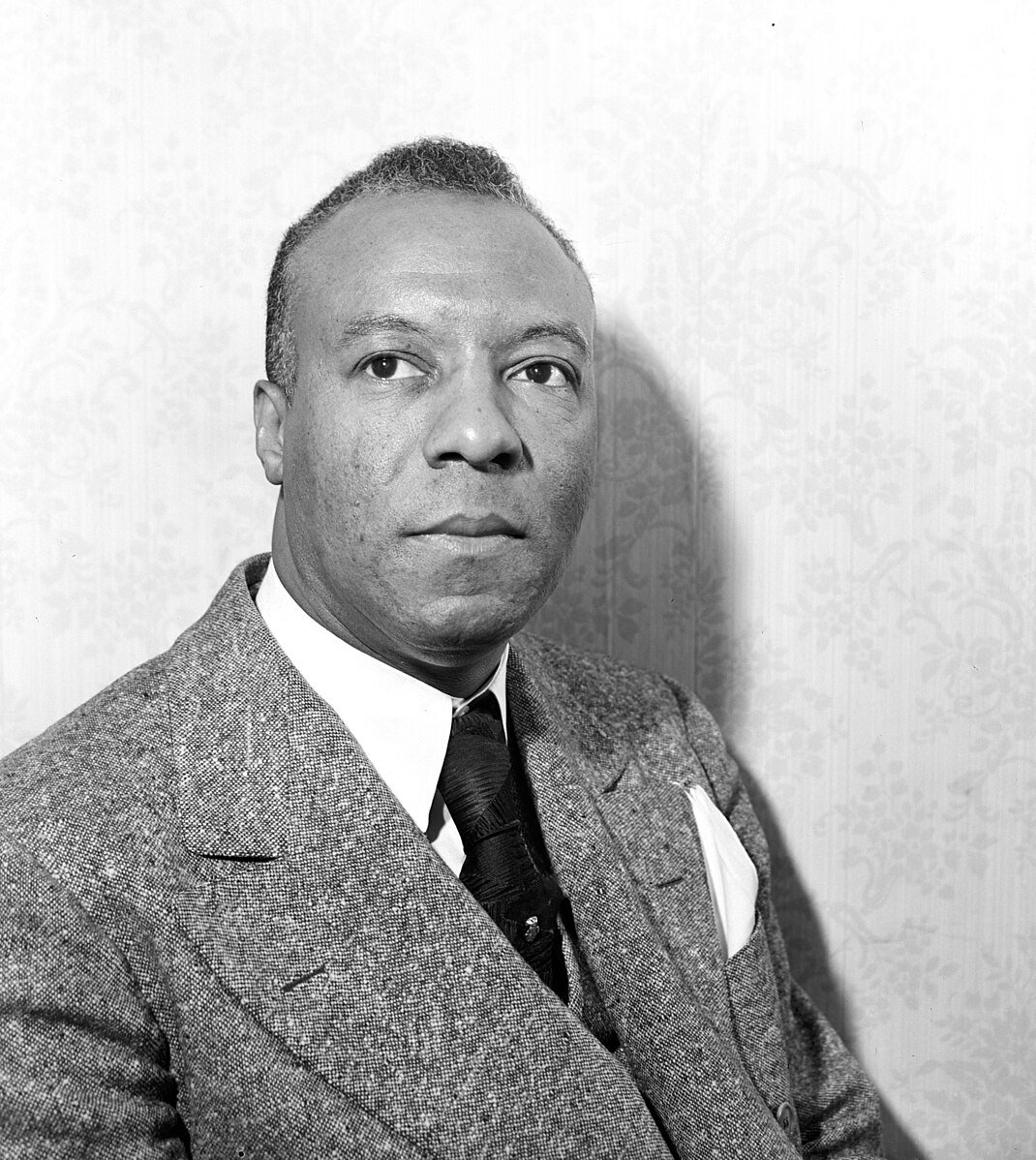
A. Philip Randolph organised the ‘March on Washington’ movement in 1941
In an attempt to to end prejudice and discrimination in both the American military and wider society
President Roosevelt met with Randolph and issued an Executive Order to try and end discrimination in government and industrial jobs
He also established the Fair Employment Practices Commission to improve pay and conditions and increase job opportunities for black Americans
Although companies could not be forced to hire black workers, valuable government contracts could be withdrawn if they did not

Unlock more, it's free!
Join the 100,000+ Students that ❤️ Save My Exams
the (exam) results speak for themselves:

Was this revision note helpful?