US Involvement in Iran & Iraq (WJEC Eduqas GCSE History): Revision Note
Exam code: C100

Summary
By the late 20th century, the USA became increasingly involved in the Middle East, marking a major shift in American foreign policy as the Cold War era came to an end. The need to protect oil supplies, maintain regional stability and respond to rising tensions meant the US focused far more on the Gulf than ever before.
In Iran, the USA had long supported the Shah, whose modernisation policies angered religious groups and led to the Iranian Revolution of 1979. The new Islamic Republic, led by Ayatollah Khomeini, rejected Western influence and turned against the USA. Relations collapsed completely after the Iranian hostage crisis, when 66 Americans were held captive for 444 days. The crisis highlighted how dramatically relations had changed and showed the limits of US influence in the region.
In Iraq, tensions increased again in 1990 when Saddam Hussein invaded Kuwait. The USA intervened to protect its economic and oil interests and to oppose Iraqi aggression. Under President Bush Snr, the USA led a large international coalition in the Gulf War. Operations Desert Shield, Desert Storm and Desert Saber successfully pushed Iraqi forces out of Kuwait in early 1991.
Although the US achieved a swift military victory, the decision not to remove Saddam Hussein from power drew criticism. The Gulf War demonstrated how central the Middle East had become to American strategy and how US foreign policy had shifted from Cold War containment to direct intervention in regional conflicts.
US Involvement with Iran
The USA was closely allied with the Shah of Iran, Mohammad Reza Pahlavi
The Shah attempted to modernise Iran by promoting:
Rapid industrialisation
Greater rights for women
These reforms angered religious groups and led to unrest, eventually forcing the Shah to abdicate in January 1979
A rise in religious fundamentalism followed, demanding an end to Western influence and imperialism
This threatened American interests, especially their oil interests in the Gulf
After the Iranian Revolution (1979), Ayatollah Ruhollah Khomeini took power
He denounced the USA, calling it the “Great Satan”
Iran was declared an Islamic Republic, firmly rejecting Western alliances
Iranian hostage crisis
On 4 November 1979, the US Embassy in Tehran was taken over by militant Iranian students
Which resulted in 66 Americans being taken hostage
Including diplomats and their guards
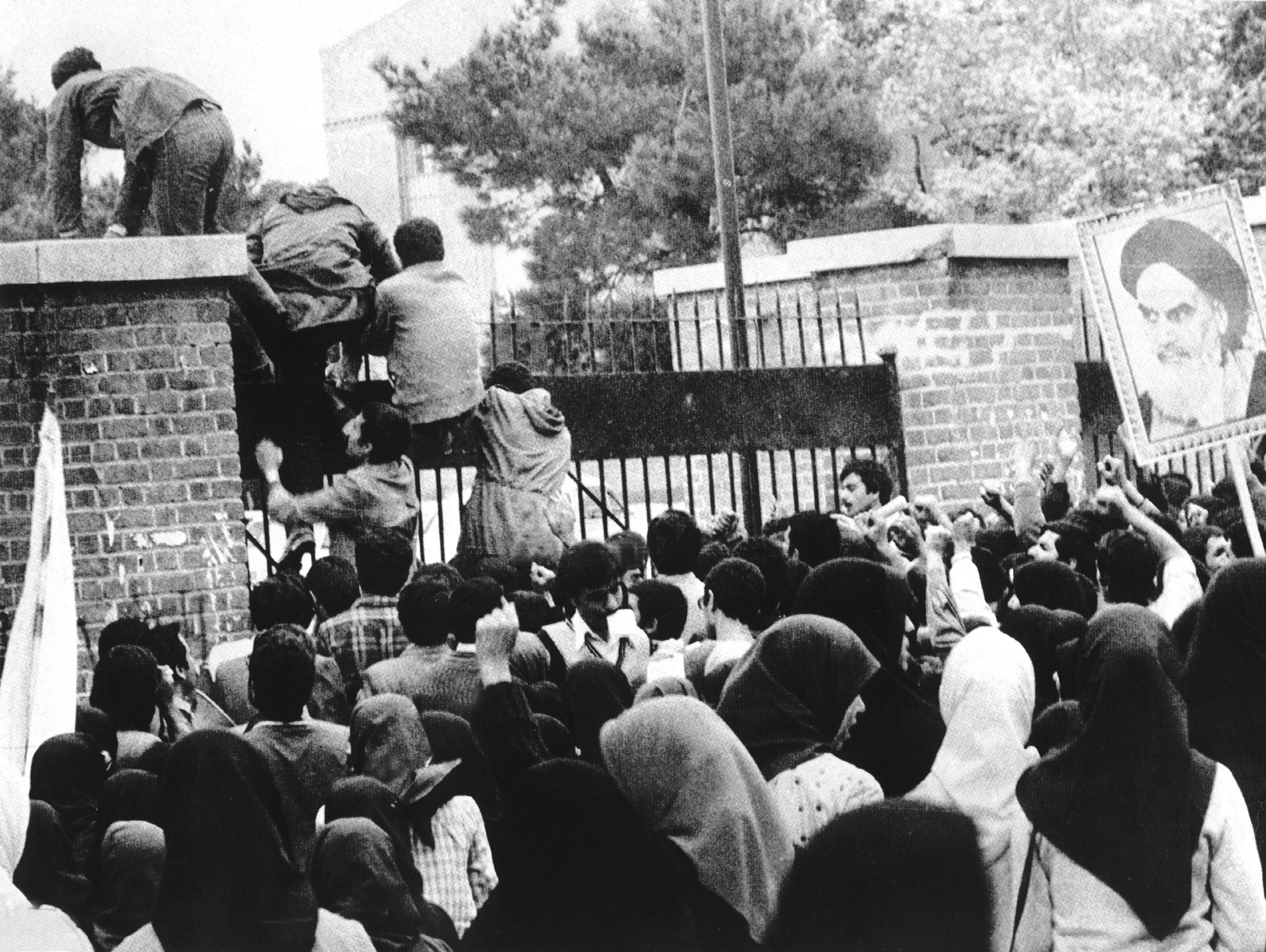
Ayatollah Khomeini demanded that he would release the hostages if the US agreed to the extradition of the former Shah
Who was receiving medical treatment in New York
The Iranian hostage crisis continued for a year as
The US and President Carter
Refused to hand over the Shah
Suspended Iranian oil imports
Threatened military action if the hostages were not released
Ayatollah Khomeini
Refused to give in to the US demands
Threatened to charge some of the hostages with spying
A US rescue mission failed in the Iranian desert
Resulting in the death of eight servicemen
After the death of the Shah in July 1980, negotiations continued
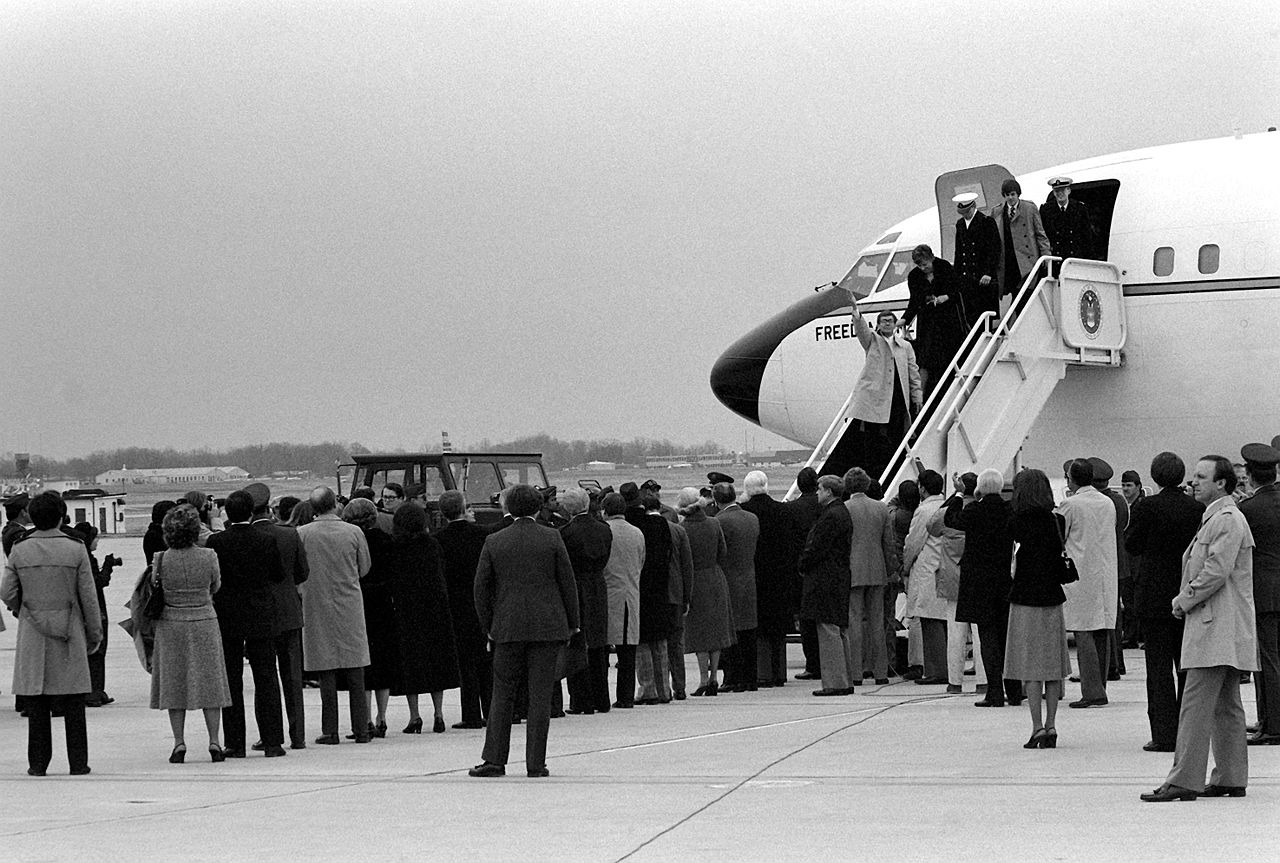
On 20 January 1981, after President Regan was sworn into office, the 52 American hostages were released
They spent a total of 444 days in captivity
The Gulf War
On 2 August 1990, Saddam Hussein, the leader of Iraq, invaded Kuwait
Within 24 hours, Kuwait was under Iraqi control
Saddam invaded Kuwait as
A way to reduce Iraq’s debt
Iraq was in debt from their war with Iran
He believed Kuwait used to belong to Iraq
Although Kuwait had been a separate territory since 1899
He did not think that the US would intervene
They had supported Saddam in the war against Iran
President Bush Snr intervenned in Kuwait as
He needed to protect the US economic and oil interests in the area
Saw the invasion as an act of aggression against a smaller country
The United Nations (UN) acted by imposing sanction of Iraq
This was followed by the US, Britain and other countries sending forces to Saudi Arabia to defend its oil reserves from an Iraqi attack and to push them out of Kuwait
This was known as Operation Desert Shield
The US launched an air offensive against Iraq, known as Operation Desert Storm, on 16 January 1991
This offensive used a total of 2,000 aircraft
Including stealth aircraft, cruise missiles and electronic warfare to attack Iraq’s military infrastructure and ground forces
On 23 February 1991, Operation Desert Saber beagn
This ground offensive aimed to liberate Kuwait
By 17 February 1991, Kuwait City was taken by coalition troops
On 18 February, the US ordered a ceasefire
The end of the Gulf War saw an increase in President Bush Snr’s approval rating
However, this decreased over time as he was criticised for his actions and for allowing Saddam to remain in power
At the time, it was believed that Saddam would be overthrown; however, he grew in strength and even suppressed rebellions by Shia Muslims in the South and the Kurds in the North of Iraq
Examiner Tips and Tricks
When explaining the Gulf War, many students make the mistake of telling a story rather than explaining the key turning points. This is includes the invasion of Kuwait, Operation Desert Shield, Operation Desert Storm and Operation Desert Saber. Focusing on these moments shows how the conflict developed and keeps your explanation analytical rather than descriptive.

Unlock more, it's free!
Join the 100,000+ Students that ❤️ Save My Exams
the (exam) results speak for themselves:

Was this revision note helpful?
