Main features of Lincoln Castle, Gaol & Prison (WJEC Eduqas GCSE History): Revision Note
Exam code: C100

Timeline
Why is Lincoln Castle Gaol Important in Understanding 19th-Century Prison Reform? - Summary
Lincoln Castle Gaol was transformed during the 19th century as ideas about punishment changed across Britain. Like Pentonville Prison in London, the new Victorian building at Lincoln was designed around the separate system, where prisoners were isolated to reflect on their crimes and reform their behaviour. Its H-shaped design, individual cells, and segregated chapel stalls mirrored national trends in prison reform. These features show how Lincoln became part of a nationwide movement towards order, discipline, and rehabilitation. The prison’s history, from its medieval origins to its closure in 1878, highlights Britain’s shift from punishments focusing on public humiliation to reform.
Problems of Lincoln Gaol in the 18th Century
Lincoln Castle was ideal as a gaol as it had
High walls
High gates
Large castle grounds
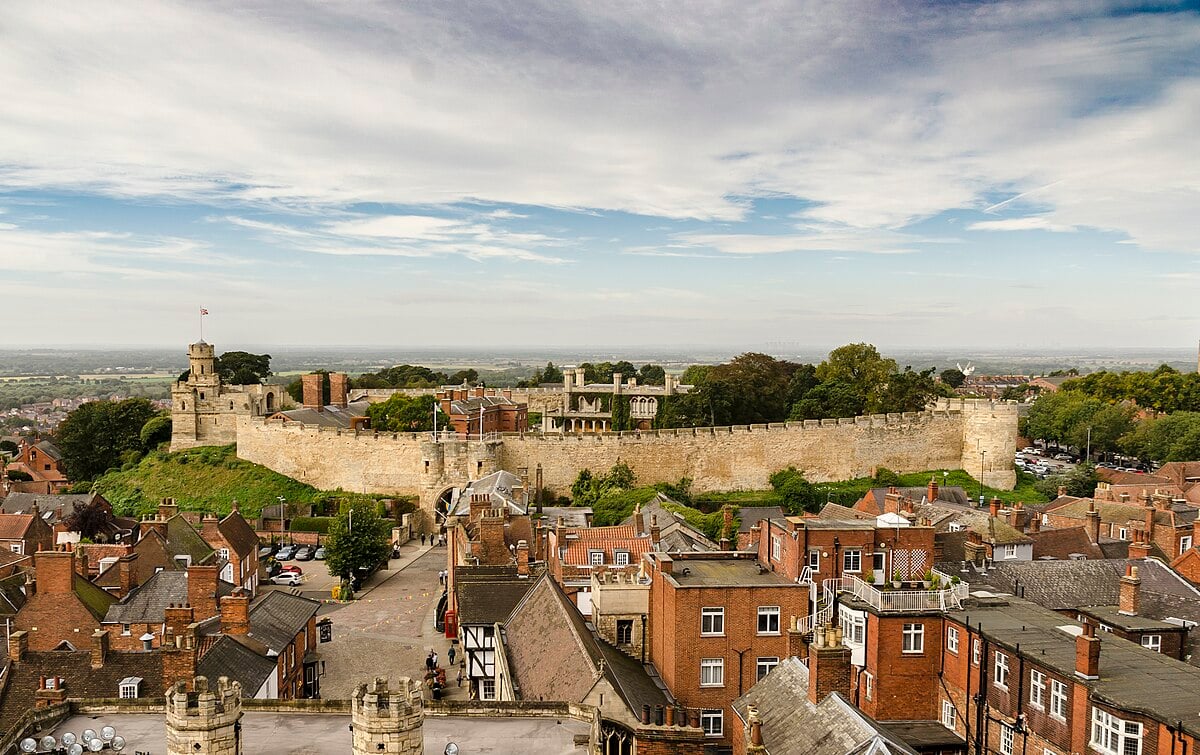
In the 18th century, two places in Lincoln held prisoners
The County Gaol
In the middle of the castle bailey
Cobb Hall
A tower in the castle walls
A mix of debtors and convicted criminals was kept here
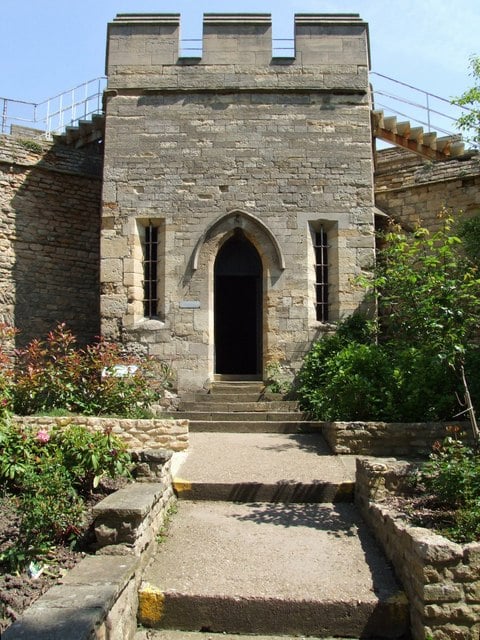
Renovations to the prison were planned due to security concerns, as
The castle walls needed repairs
Repairs to the walls happened throughout the years 1757 to 1807
Pits were dug around the corner from the castle walls
There was a worry over subsidence
John Howard visited Lincoln Castle in the 1770s, and he was horrified by the conditions
The pit in the ground where prisoners lived
Lack decent sanitation
Both male and female prisoners were living there
Howard's criticisms were included in the 1777 State of Prisons book, which resulted in the construction of a new prison in 1787
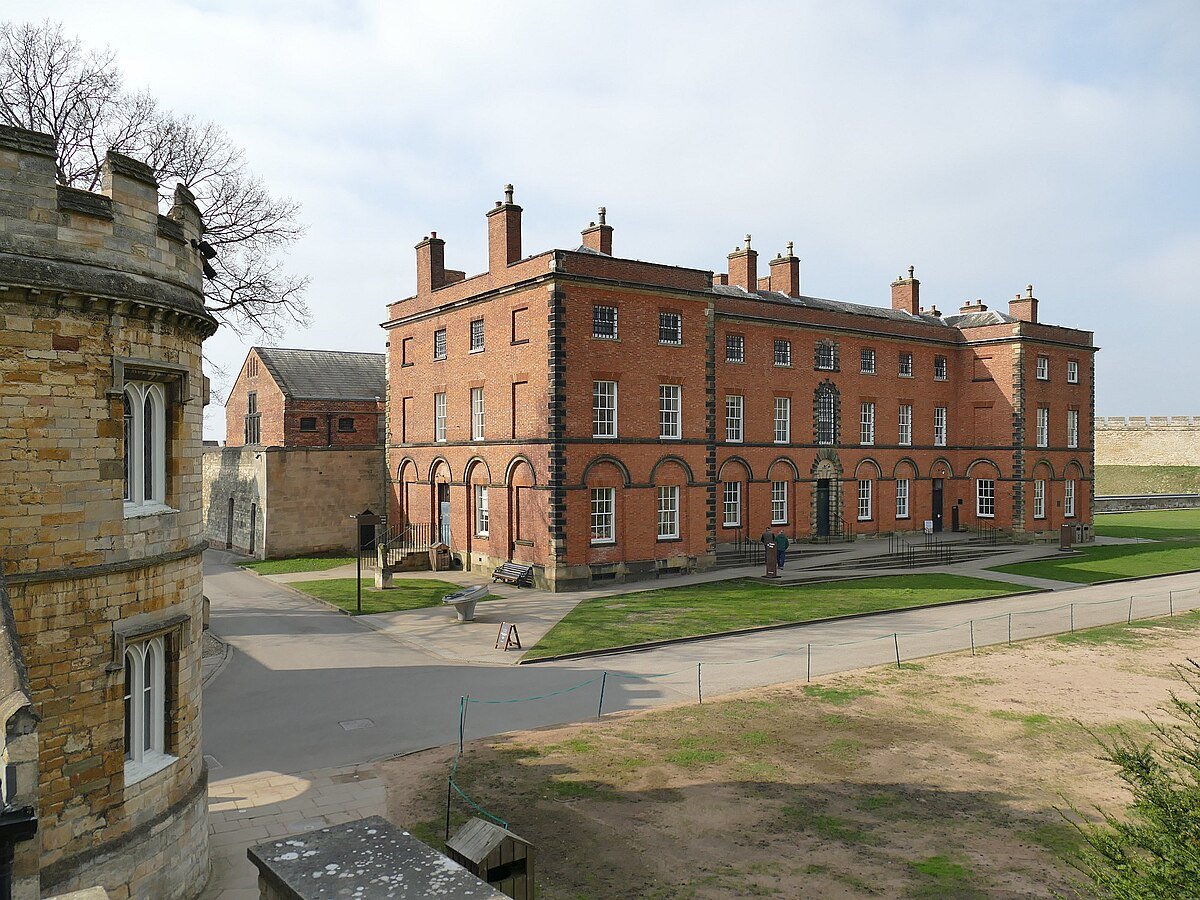
The new prison is often referred to as The Georgian Prison
Designed by William Lumby, the Clerk of Works in Lincoln
The Georgian Prison had
Rooms at the front of the building, looking onto the castle grounds, for debtors
They were treated with more leniency compared to the other prisoners
A simple building at the back, known as the “Felons Wing” for other criminals
At the back of the exercise yard
An apartment on the top floor for the prison governor and his family
Gaolers still charged inmates at this time
In 1820, new additions were made to the prison
New debtor's yards
One for men and one for women
Separate private ash privies and washrooms
An infirmary
Building of the New Gaol
Following the 1839 Prisons Act, Lincoln Castle's Felon Wing was demolished and replaced by the Crown Wing
Also known as the Victorian Prison
Designed by William Adams Nicholson
Victorian Prison
Male, female and child prisoners were held in Victorian Prison before their trials, along with criminals who
Were awaiting execution
Were awaiting a transfer to another prison
Victorian Prison was designed for the use of the separate system
Designed by Joshua Webb, who designed Pentonville Prison
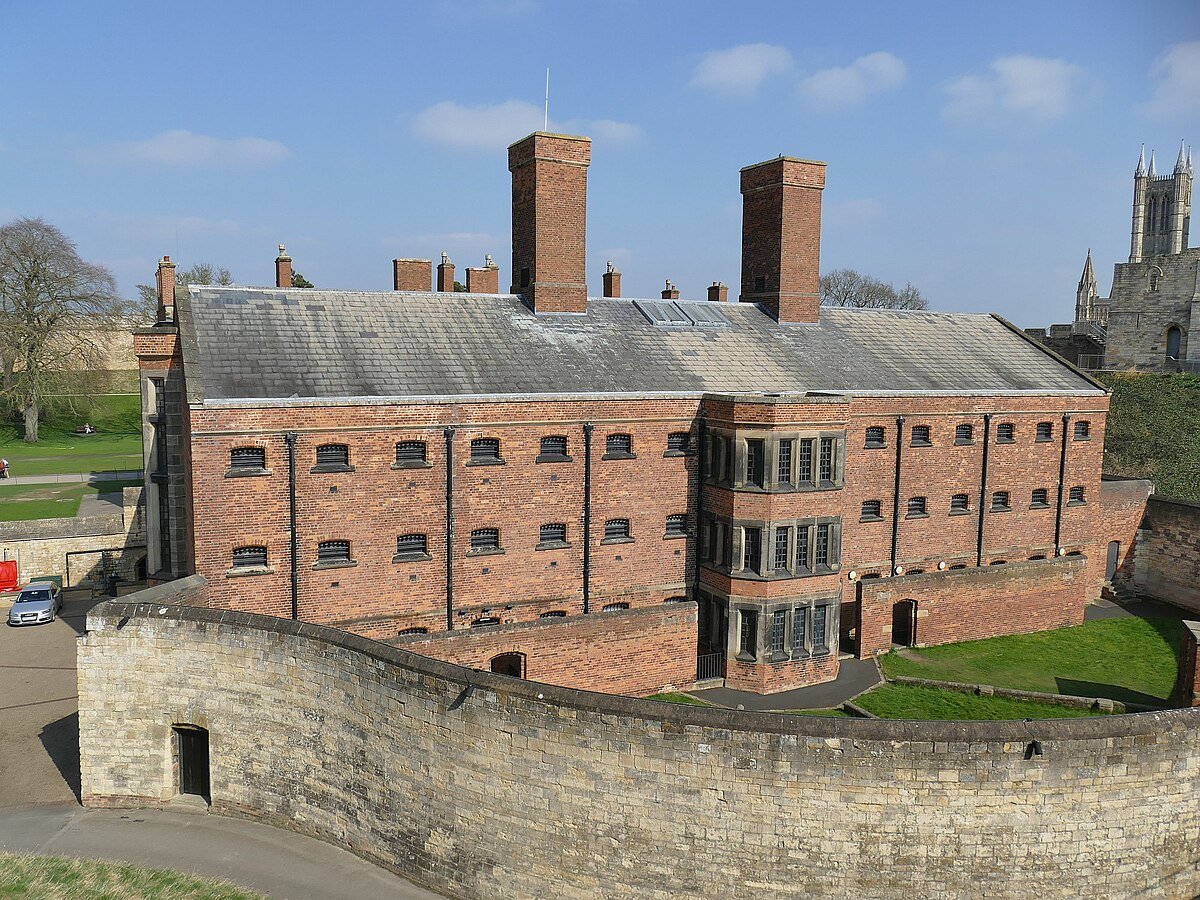
The prison was a ‘H’ shape with
Enclosed exercise yards in between the wings
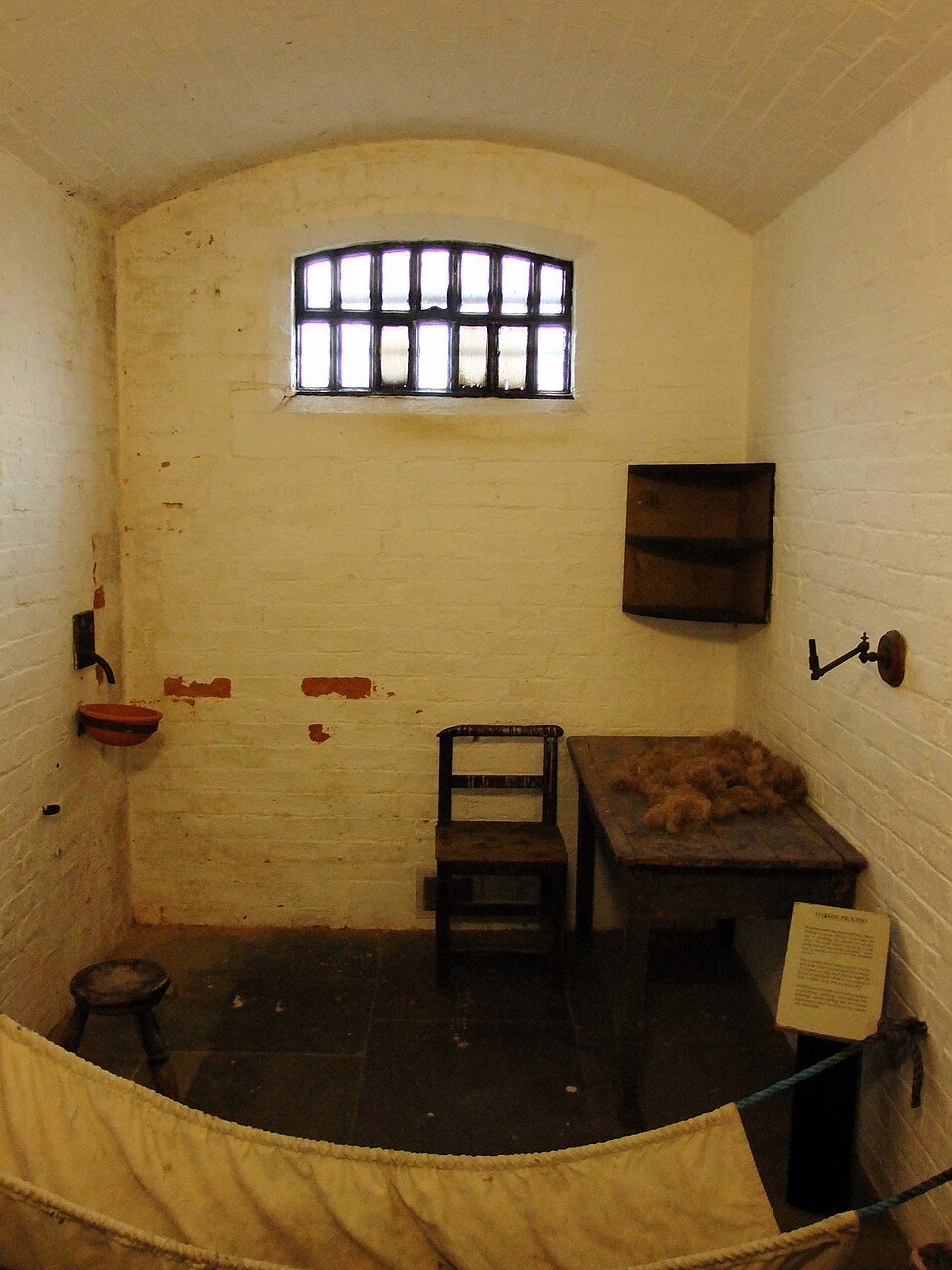
As the prison was designed for the separate system, the prisoners were kept separate at all times and had the following features
Individual cells with
A stone bath
Ventilation
Toilet
Sink
A hammock to sleep in
Gas lit lamps
Heated rooms via a vent
The prison cells were arranged in the style of Jeremy Bentham’s Panopticon design
This allowed guards to see all of the cell doors from a central place
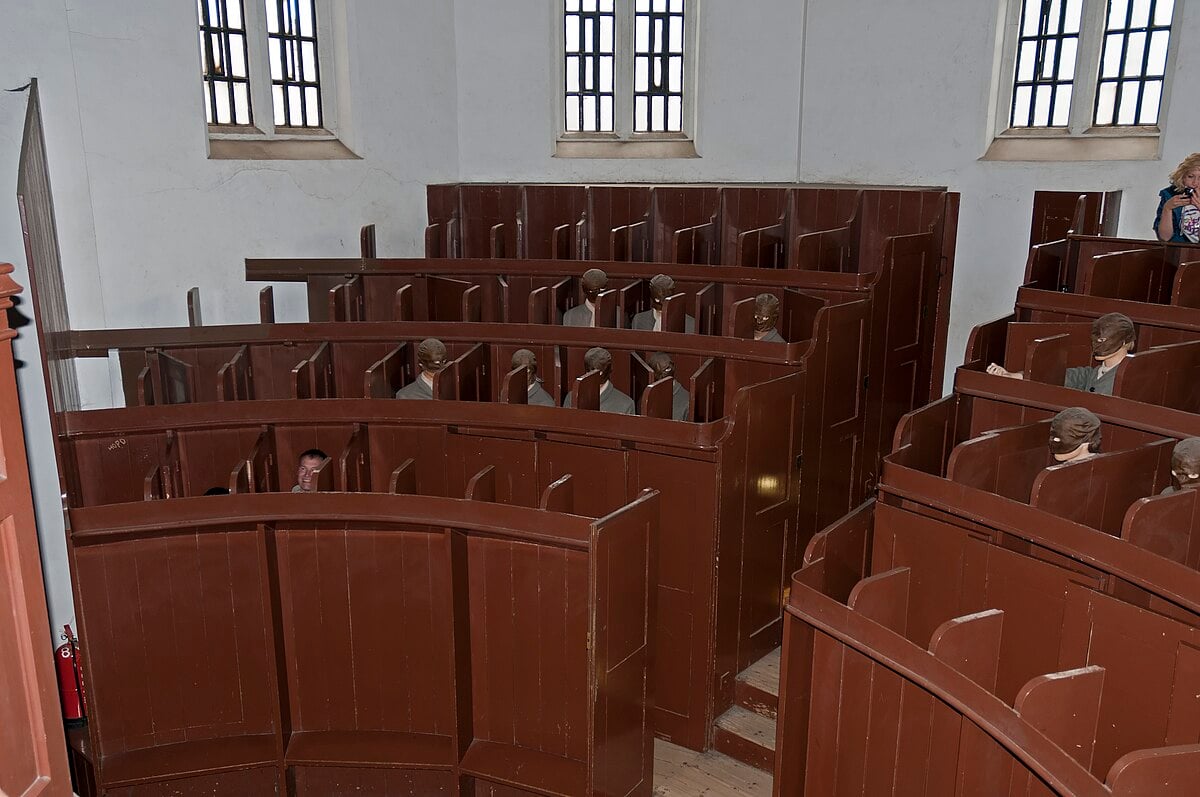
Victorian Prison also had a chapel
Each prisoner had their own stall
As they were not allowed to communicate
They could only see the Chaplain during the services
Partitions were removed in the 1860s
Georgian Prison
Was still used at this time and held debtors
The cells were divided into
New cells for debtors
Rooms for the prison guards
The prison guard rooms had
Big fireplaces
Large bay windows
To observe exercise yards and prisoners
Dado rails
The new debtor cells were separated into male and female cells
Male debtors grilled over a fire in a hole
Female debtors had a fireplace and cupboards
Some of the cells were better than others
The gaolers would charge debtors more to use them
Examiner Tips and Tricks
Question 6(a) will always ask you to describe ‘two main features’ of Lincoln Castle Gaol, so make sure you use precise detail. Examiners are looking for accurate examples such as the H-shaped design, separate cells, panopticon layout, and segregated chapel stalls.
Ending of Public Executions
Lincoln Castle was also used for executions
There were two places where these executions would happen
Outside the castle walls on Burton Road
On top of Cobb Hall
Burton Road Executions
Prisoners who were executed on Burton Road were brought to the gallows on a cart
They were executed by hanging using a cart and a horse
Prisoners would have a noose tied around their necks from the gallows
Once they were standing on the cart, a horse would be whipped where the criminal was hanged until dead
Today, this execution site is marked by a pub called The Strugglers Arms
Cobb Hall Executions
Public executions also happened inside the grounds of Lincoln Castle when the governor John Merriwether built a roof and gallows on top of the Cobb Hall tower
15,000 locals would watch these executions
Cobb Hall used trap door gallows
Seen as more humane than the Burton Road gallows
Between 1918 and 1859, 38 people were executed here
Those executed were buried at the mound of Lucy Tower inside the castle
Their graves are marked by a simple headstone

Most prisons did not have their own hangman
Some prisons used convicted criminals as executioners
This happened at Lincoln Castle, as two men convicted of horse theft acted as executioners and hanged four men
William Calcraft became Lincoln Castle’s hangman between 1829 to 1859
Developing the ‘short drop’ method took a long time for criminals to die
Later, William Marwood became the hangman and developed a new hanging method in 1872
Known as the ‘measured drop’
This used the height and weight of a criminal to calculate how long the rope should be
Allowed for a quicker death
Once public hangings were banned in 1862, under the Capital Punishment Act, all executions happened inside Cobb Hall
Four people were executed between 1868 to 1877
The first was Priscilla Briggadike
Execution continued at Her Majesty’s Prison Lincoln in 1872 until they were abolished in 1961, as Lincoln Castle Prison was closed down in 1878
18 executions happened here
Examiner Tips and Tricks
Question 6(b) may ask you to ‘explain why the site is important in showing change and continuity in punishment’. One key theme at Lincoln Castle Gaol is the changing use of executions.
Public executions took place on Cobb Hall Tower and later Burton Road, but were eventually abolished in 1868, reflecting national changes in attitudes towards punishment and deterrence. This shows how the site illustrates the shift from public spectacle to private justice.
Opening of HMP Lincoln
In 1872, Her Majesty’s Prison Lincoln was built
On Greetwell Road
Outside of Lincoln
Lincoln Castle Prison was eventually closed in 1878
Her Majesty’s Prison Lincoln was a Category B prison
Used for Lincolnshire, Nottinghamshire and Humberside
It is still used today as a prison
It was initially used for both male and female prisoners
In 1900, it was used for only male prisoners
In 2002, a serious prisoner riot happened at the prison
The prison became known as Britain’s most overcrowded prison
Today, it is operating slightly under capacity

Unlock more, it's free!
Join the 100,000+ Students that ❤️ Save My Exams
the (exam) results speak for themselves:

Was this revision note helpful?
