Punishment in the 19th Century (WJEC Eduqas GCSE History): Revision Note
Exam code: C100

Timeline
How did Traditional Punishments Evolve During the 19th Century?- Summary
Punishment in the 19th century still relied on many of the same punishments used before the Norman Conquest, such as stocks, pillories and executions. However, public opinion began to change as people increasingly saw these punishments as inhumane and ineffective. The use of transportation to North America and later Australia aimed to reduce crime while avoiding the death penalty, but this also decreased. Instead, the focus turned to prison reform. New prisons such as Pentonville reflected growing interest in discipline, reflection, and moral reform. Influential reformers, including John Howard, Elizabeth Fry, and Sir George O Paul, helped transform prisons from filthy, overcrowded places into institutions aimed at rehabilitating offenders, marking a significant change in Britain’s approach to punishment.
The Use of Stocks, Pillory & Executions
The use of stocks, pillories and executions was not new to the 19th century
Some had been used since before the Norman Conquest
They continued to be used until the 19th century
The use of stocks and the pillory was abolished in 1837
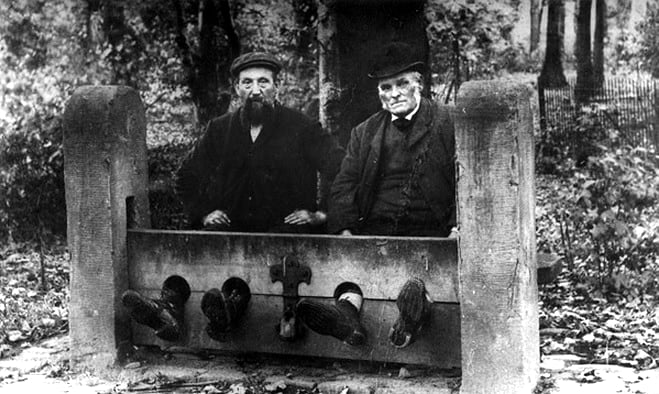
Stocks
The Act of 1351 stated that stocks had to be set up in villages
As a punishment for runaway servants and labourers
They were also used as punishment for minor crimes
The Act of 1406 stated that stocks were to be
Set up in every town
Used as a punishment for
Drunkeness
Profaners
Gamblers
Vagrants
Those who failed to pay their fines
Pillory
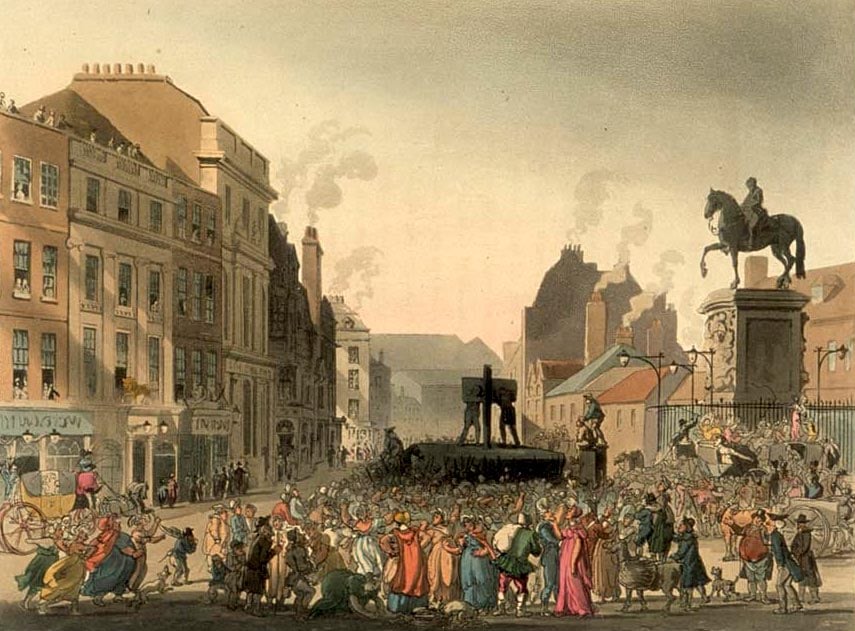
Pillories were used in Britain before the Norman Conquest
The pillory was used for those people who
Sold goods underweight
Cheat at cards
Swore a lot
When in the pillory, some crowds would throw things at the criminals, including
Stones
Rotten food
Some people were even attacked and killed in the pillory
Especially if they were convicted of a serious crime
Such as sexual assaults
Execution
Since the 16th century, execution has been used as a punishment for serious crimes, including
Murder
Treason
Arson
Counterfeting
During the Tudor and Stuart eras, many minor crimes were punishable by execution
The Waltham Black Act of 1723 became known as the ‘Bloody Code’
This resulted in a large number of capital offences over a period of time
The death penalty was the punishment for 50 different crimes in the Tudor and Stuart periods
For example, thieves were executed if they stole goods worth over one shilling (5p)
This number increased to over 200, and included
Murder
Pickpocketing
Horse theft
Executions were always carried out in public
Unless the criminal was a member of the nobility
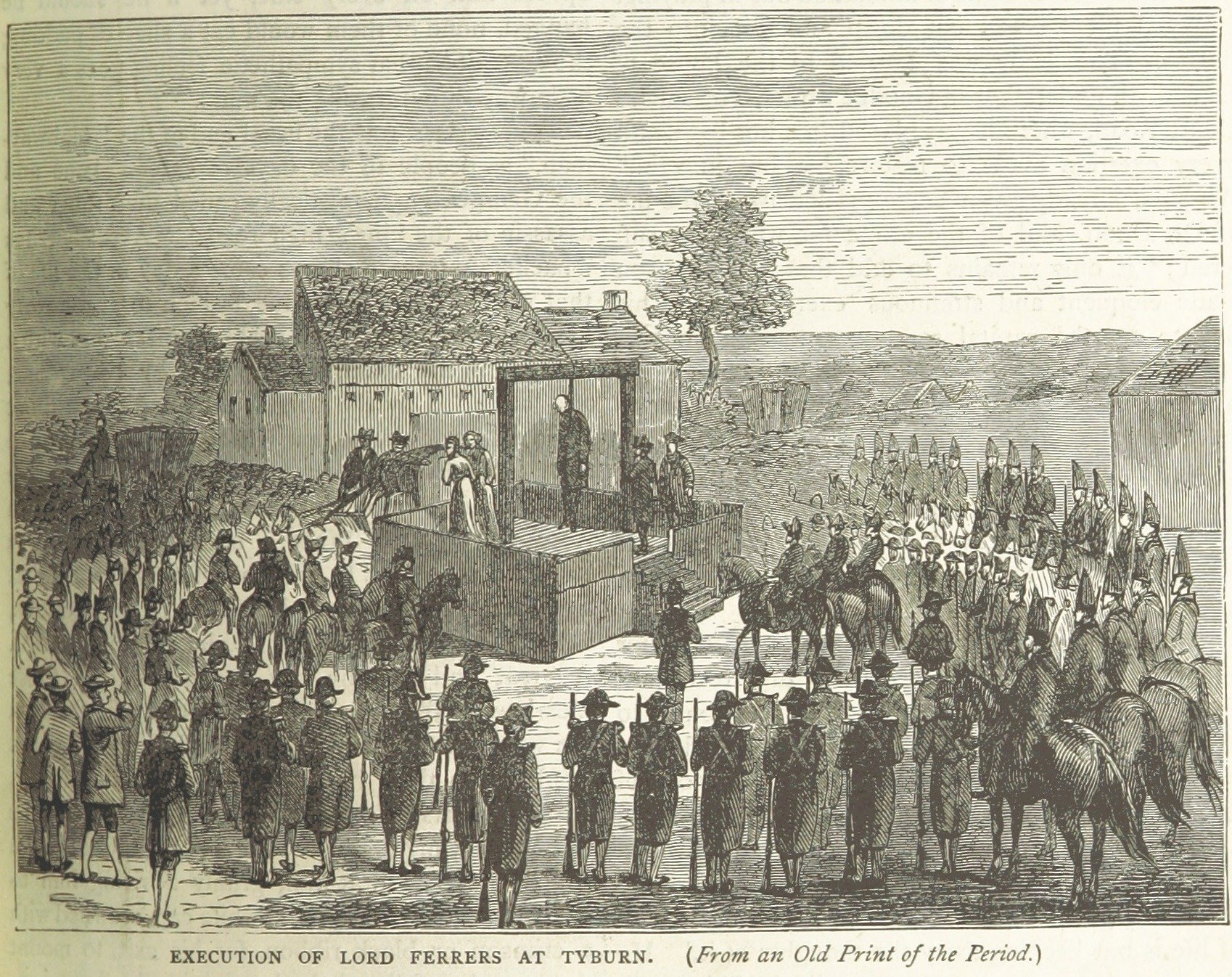
One of the most famous locations in London for executions was called Tyburn
Near the location where the Marble Arch is today
The gallows structure was nicknamed the Tyburn Tree
Businesses would close so people could attend the executions
In 1724, it is believed that over 200,000 people watched Jack Sheppard (a famous thief) be executed for his crimes
Between 1703 and 1792, approximately 1,232 people were hanged at Tyburn
Of these, 92 were women
90% were men under 21 years old
The Use of Transportation
Transportation started to be used as a punishment during James I’s reign
However, the 1717 Transportation Act formally set up the transportation system
Some criminals could choose to be transported or another punishment such as branding, whipping or hanging
Those who were transported were sent on ships to the new colonies of North America, as well as the Caribbean
Here, they did manual work by helping to build settlements
Working conditions were very harsh
Transportation became a popular punishment in England and Wales because
Execution was seen as too harsh for some crimes
Such as hanging
Prisons were overcrowded
It was believed that removing the criminals would decrease crime
Transportation acted as a deterrent
People were put off by crime due to the harsh conditions on ships and in the colonies
It was cost-effective
Imprisonment was too expensive
It was believed that criminals would
Learn new skills
Have an opportunity for a new life after their sentence is completed
It would help to colonise the colonies
As they would eventually be populated with British subjects
Sentences were either seven or 14 years
Once their sentence was over, many could not afford to return to England and Wales
Between 50,000 and 80,000 people were transported to North America, including
Men
Women
Children
Transported vagabond children became known as ‘duty boys’
By the late 18th century, transportation was the most frequently used punishment in Britain
After the American War of Independence in 1776, the North American colonies were no longer used for transportation
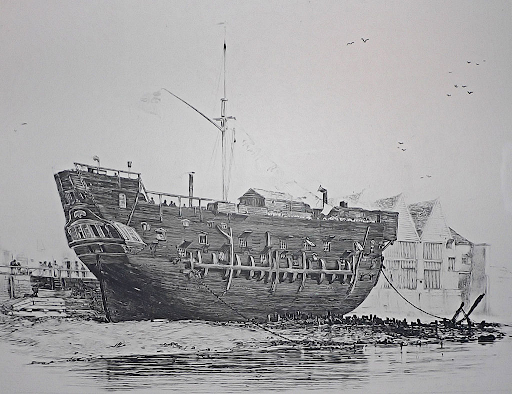
The government used ships as prisons, known as ‘hulks’
This was a temporary measure until another colony could be used for transportation
Conditions were poor as they were unhygienic, poorly maintained and often witnessed fights and rioting
Between 1776 and 1778, more than a quarter of prisoners on ‘hulks’ died
Eventually, conditions improved after a public inquiry into the conditions
In May 1787, criminals were transported to Australia
Around 160,000 people were transported to Australia
One in six people on the ship were women
Most were thieves (especially reoffenders)
A small number were political protesters
The first penal colony was New South Wales
Conditions were harsh in the new colony, and many died
Convicts in Australia were
Domestic workers
Skilled workers
Farm workers
In labour gangs
If the convicts in Australia showed good behaviour, they would be rewarded with
A ticket of leave
This allowed them to live freely in a district in the colony at the end of their sentence
Certificate of freedom
Introduced in 1810
Given at the end of a sentence
Conditional pardon
Convict was given freedom, but not allowed to return to their home
Absolute pardon
The convict was given freedom
Cleared of charges
Allowed to return home
By the 1840s, transportation began to decline as
A Parliamentary Committee of Enquiry in 1838 reported that
It was not enough of a deterrent
It was too expensive to maintain
Australians resented their country being used as a penal colony
It did not decrease crime in England and Wales
Although the government believed it would decrease crime, it actually increased crime
The Need for Prison Reform
Early modern prisons were mainly used to hold criminals awaiting trial
This changed in the 18th and 19th centuries
Imprisonment was increasingly used as a form of punishment
It became even more common after transportation ended
Prison conditions were very poor
In 1729, a report by a government committee found that prisoners were
At the point of starvation
Dying from a lack of food
Prisons were privately owned by businessmen who wanted to make a profit
Gaolers made a profit by charging for
Food
Bedding
Any other necessities
Many thought that criminals in prison deserved these poor conditions
Others thought that improving prison conditions would increase criminals’ chances of rehabilitation
Three key reformers who shared this view were
John Howard
Sir George O Paul
Elizabeth Fry
Howard, Paul & Fry
John Howard
In his early life, John Howard was imprisoned in France by French pirates, which had a long-lasting effect on him
In 1773, Howard became the High Sheriff of Bedfordshire
He was shocked at the conditions of the jails and decided to visit other prisons in England
In 1775, he visited prisons in Europe, too
In 1776, Howard created a survey of prisons in England, which showed
Most prisoners were debtors
Only a quarter of prisoners had committed serious crimes
Howard published a book in 1777, entitled The State of the Prisons in England and Wales
Based on his findings from the prison survey outlining
The problems
How to address the problems
In 1773, Howard presented his evidence to a Parliamentary Committee
Howard suggested that prisons should be
Hygienic
Roommy
Safe
Howard also argued for
Salaries for gaols
Training for prisoners to help them reform
Better food for prisoners
Regular inspections of prisons
Separation of prisoners so they could not learn about crime from other criminals
Prisoners are to be released immediately when they have served their sentence
Howard’s work led to the 1774 Gaols Act, which contained two pieces of legislation
The Health of the Prisoners Act
This ensured hygienic conditions in prisons, as well as a prison surgeon and infirmaries
The Discharged Prisoners Act
Abolished the fees that prisoners had to pay when they were released
Allowing all prisoners to be released immediately after their sentences were finished
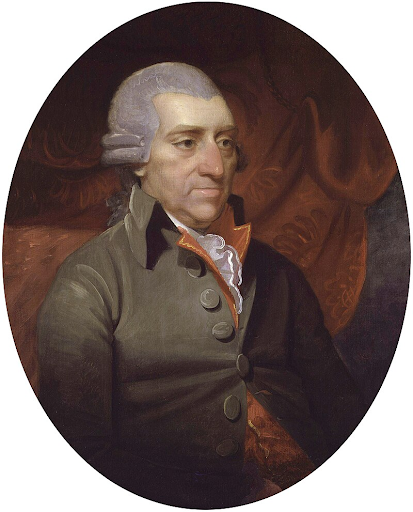
Sir George O Paul
Sir George O Paul was the High Sheriff of Gloucester
He was concerned with prison conditions
In 1784, he published a book entitled Thoughts on the Alarming Progress of Jail Fever
This led to a prison reform in Gloucestershire
In 1785, Paul led the Gloucestershire Prison Act, which stated that all new prisons had to have a
Perimeter wall of 5.4 meters
Allowing staff to observe the prisoners
An isolated area for new prisoners where they would
Receive a bath
Have their clothes disinfected
Be checked by a doctor
Excercise yard
Areas are separated for those
Awating trail
Who committed minor offences
Who committed more serious crimes
Separate areas for different genders
Chapel
Workroom
Darkened cells for punishments
These designs were later copied by other prisons in England and Wales
Elizabeth Fry
Elizabeth Fry was a Quaker and was inspired by the work of Sir George O Paul
In 1813, she visited the women’s section of Newgate Prison
She was concerned about the conditions of the prison
Fry campaigned to improve prison conditions for women
Hoping this would help to reform prisoners
Fry helped to improve the conditions of female prisoners by
Forming the Association for the Improvement of Women Prisoners in 1817, which gave women in prison access to
Education
Religion
Work
Fry’s contributions to the improvement of prisons made way for changes to other prisons, including
The appointment of female warders
The creation of schools for female prisoners and their children
The introduction of work for female prisoners
Including needlework and knitting
New Prisons
The Gaols Act, 1823
Influenced by the work of Elizabeth Fry and John Howard, the Home Secretary Sir Robert Peel passed the 1823 Gaols Act
This act only applied to
The 130 prisons in London
The counties
As well as 17 large towns
The act stated that
New prisons to be established in each county and large town
Prisons were controlled by the local magistrates and paid for by local rates
Prisons were inspected by justices of the peace
Their findings were to be presented to the Quarter Sessions
An annual report would be sent to the Home Office
A strict system of discipline was to be enacted in all prisons
Gaolers received a salary
Prisoners to be classified by
Gender
Age
Crime
Length of prison sentence
The act had little impact on prisons as
It was ignored by many
Only five inspectors were appointed
Inspectors did not have many powers
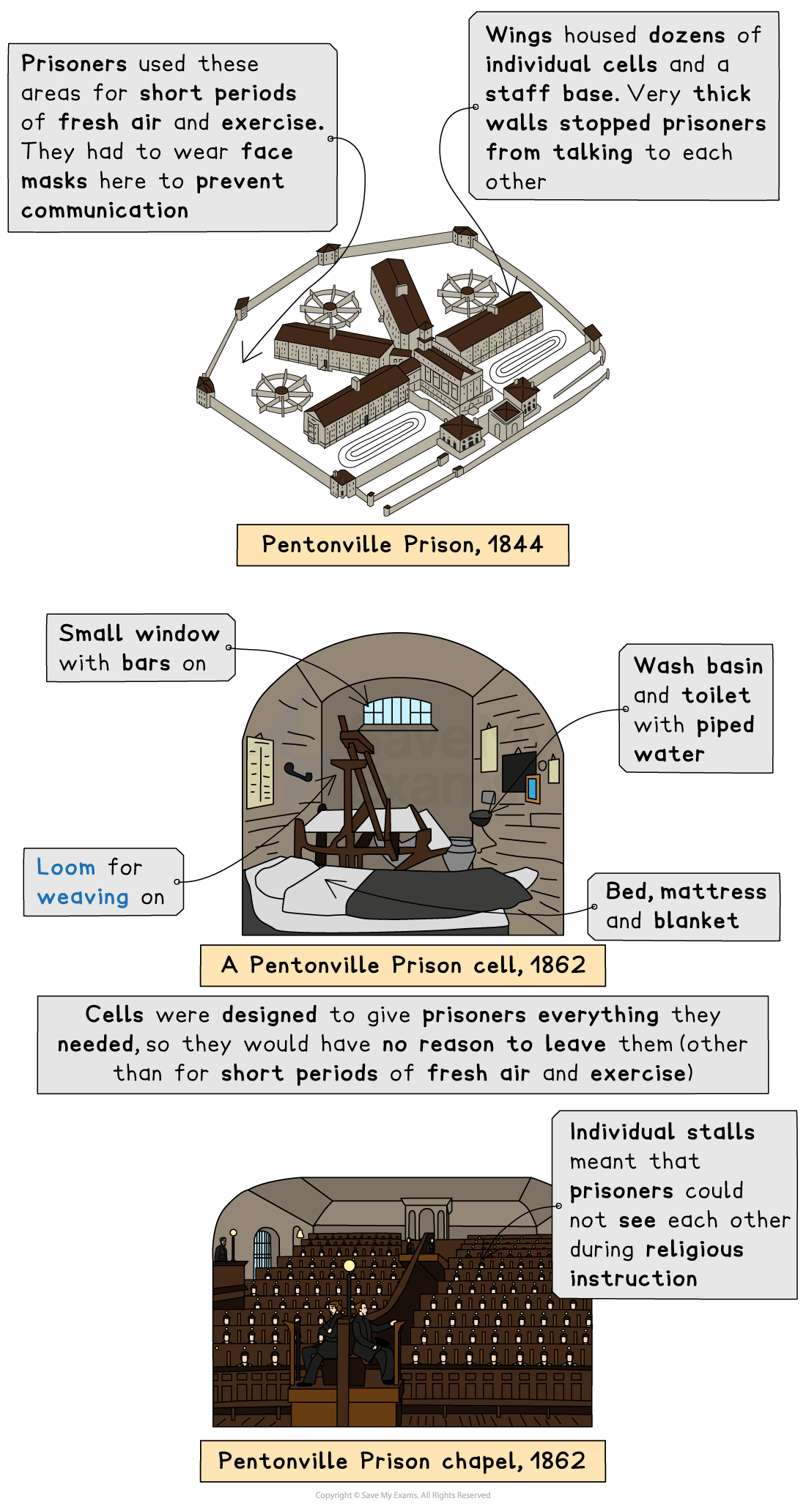
Pentonville Prison
From 1842 to 1877, the government built 90 prisons in Britain
The most famous was Pentonville Prison, London, built in 1842
Pentonville Prison was made to
To house the increasingly large number of criminals
In this period, transportation and execution decreased
This meant that more criminals were in Britain
Pentonville Prison kept such criminals away from society
Act as a model for new ideas
Reformers suggested improvements in the running of prisons and the treatment of prisoners
Pentonville Prison became a place to test out these ideas
The main aim of Pentonville Prison was to reform prisoners
Many also saw it as a place of deterrence and retribution
Examiner Tips and Tricks
In Question 5, don’t just write about prisons; connect them to wider social changes such as urbanisation, industrialisation, and the government’s shift from a laissez-faire approach to greater intervention.
Examiners reward answers that can link the historical context behind prison reform to government involvement and social change for higher-level marks.
Jeremy Bentham
Many individuals argued about how prisoners should be treated
Rev. Sydney Smith argued that life for prisoners should be harsh and unpleasant
To deter criminals
However, Jeremy Bentham believed that prisoners should work
To help with the costs of running a prison
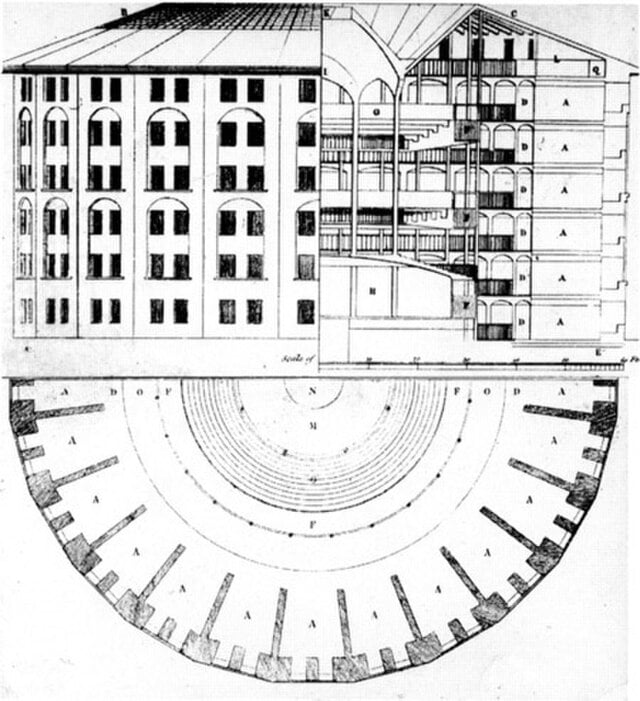
Bentham also believed that prisons with blocks should fan out from the centre
So only a few prison guards would be needed to supervise the whole prison
This design was known as the Panopticon
The Silent & Separate Systems
In the late 19th century, prisons often used either the
Silent system
Separate system
Both systems were inspired by prisons in the USA
They were designed to prevent prisoners from talking to each other
The Silent System
The government’s introduction of the silent system marked a change in prisons
They became more focused on deterrence and retribution, rather than rehabilitation
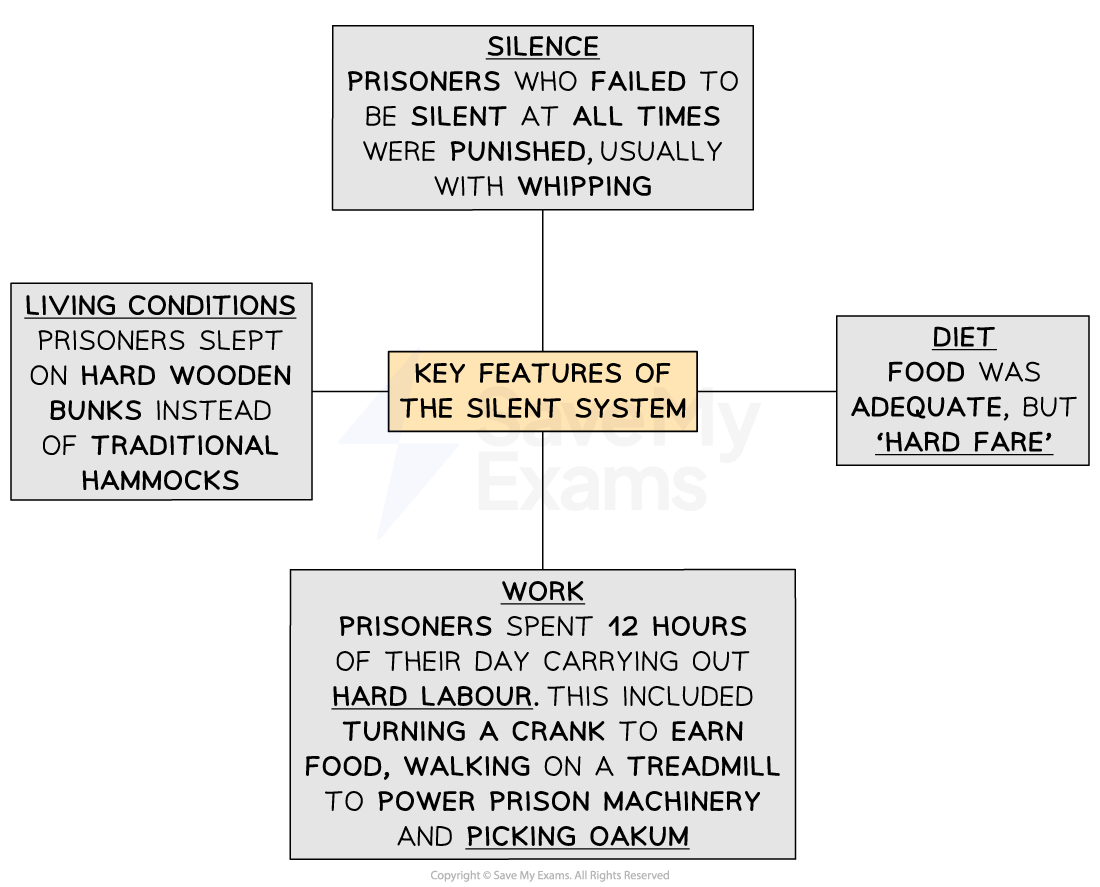
The warders enforced silence so prisoners could not talk to each other
This stopped prisoners from discussing crime or influencing each other
Prisoners were allowed to see each other, but in silence, in
Workrooms
Dining halls
The silent system could work if the prisoners disliked prison and were bored, so prisoners' tasks in the day would involve activities such as
Oakum- picking
Prisoners had to clean a rope covered in tar
Walking on a treadmill, a tread wheel or an everlasting staircase
The crank
A large handle that was required to be turned 1,000 times a day
The Separate System
The separate system focused on reforming prisoners through
Isolation
Work
Religion
Prisoners were
In individual cells
Where they worked and prayed
Visited by clergymen
Prisoners only left their cells for
Religious services
Where they were in individual cubicles
Exercise
Where they would hold a knotted rope
Knots were 4.5 meters apart
If prisoners met, they would wear masks so they would not communicate or see each other
The separate system had many strengths, such as:
Cleaner prisons
Isolation prevented diseases from spreading
The right level of punishment
Many believed that separate prison systems were neither too harsh nor too lenient
No prisoner corruption
Prisoners did not interact with each other, so they could not influence each other
However, the separate system also had many weaknesses, such as:
High levels of mental illness
Continuous isolation increased people's risk of depression, psychosis and suicide
In the first eight years at Pentonville Prison, 26 prisoners had a nervous breakdown,n and three killed themselves
Lack of education
Prisoners were not taught any skills that they could use once released. This limited their chances of rehabilitation
High expenses
Keeping prisoners in individual cells was much more costly than having them mixed together
Examiner Tips and Tricks
Many students become confused about the term ‘separate system’. They often mistakenly explain it in terms of John Howard’s reforms, where criminals were separated according to their gender and class. Remember that the separate system is about keeping criminals isolated (apart from one another).
Government-Controlled Prisons
In the late 19th century, the government became more involved in the control and organisation of prisons
The 1865 Prisons Act focused more on strict punishment, rather than reform, as prisons enforced
Hard labour
Such as the crank, for at least three months
Hard fare
A diet of bread and water for three days
Hard board
Prisoners slept in board beds
By 1877, the Prisons Act brought all prisons under the control of the Home Office
Officially centralising prisons

Unlock more, it's free!
Join the 100,000+ Students that ❤️ Save My Exams
the (exam) results speak for themselves:

Was this revision note helpful?
