Common Crimes in the 19th Century (WJEC Eduqas GCSE History): Revision Note
Exam code: C100

How did the Industrial Revolution lead to crime and protest in the 19th century? -Summary
The Industrial Revolution brought huge change to life in 19th-century Britain. New machinery and factories created jobs for some but left many others unemployed, especially traditional craftspeople and farm labourers. Poor harvests, rising food prices, and overcrowded living conditions made life harder, while few working people could vote or influence government decisions.
Frustration led to violent protests such as the Luddite attacks on factory machines, the Swing Riots in the countryside, and the Chartist movement, which demanded political reform. The government feared a revolution like the one in France and responded harshly by using troops, executions, imprisonment, and transportation to crush unrest. These events showed the growing tensions between workers demanding change and a government determined to maintain order.
Urbanisation & Crime
As urbanisation increased and the population grew in the nineteenth century, so did new crimes
Highway robbery was soon replaced by railway crimes
Crime against property increased by over 90%
Small-scale theft increased
Pickpocketing was the most common
In 1876, it was estimated that 30,000 children were sleeping rough and committing crimes to survive
Henry Mayhew identified a new criminal class
These individuals lived in criminal areas of cities called ‘rookeries’
For example, St Giles's on Oxford Street in London
Mayhew identified 100 different types of criminals, such as
Snoozers who stole passengers’ luggage from railway hotels
Till-friskers who stole cash from tills while the shopkeepers were busy
Drag-sneaks who stole luggage from coaches and carts
Industrial & Agrian Disorder
The Luddites
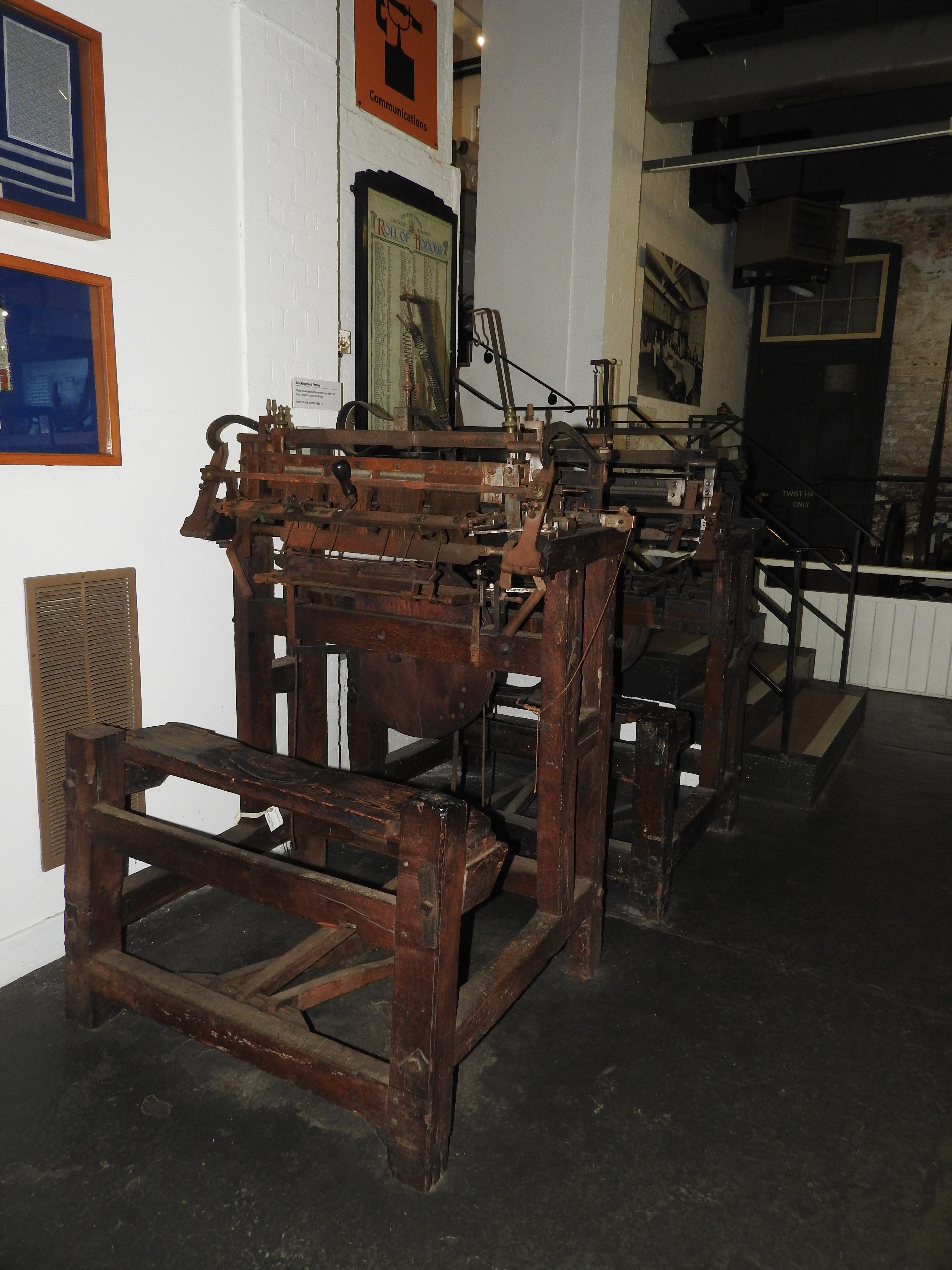
In 1812, cloth workers in Nottingham were angry about a new machine called a stocking frame
The stocking frame produced cloth at a cheaper rate than cloth made by hand
In 1797, a roll of hand-woven cloth was 27 shillings; by 1827, it was 3 shillings
Cloth workers who lost their jobs to these new machines protested by
Breaking into factories and smashing stocking frames
Writing to mill owners asking them to destroy the machines
Protestors signed these letters ‘Ned Lud’, where they gained their nickname ‘Luddites’
These protests spread to Lancashire and Yorkshire
In 1812, 150 armed protestors attacked Rawford Mill near Huddersfield
In Yorkshire, a mill owner, William Horsfall, was murdered
The government responded to these protests by
Sending 12,000 troops into areas where protests were happening
Passed laws making frame-breaking illegal
The punishment was death
In 1813, 17 Luddites were executed, others were fined, or transported to the colonies for their role in the protests
Some Luddites were executed for the murder of the mill owner in Yorkshire who was murdered, William Horsfall
Others were executed for their attack on Rawford Mills
These harsh punishments resulted in a decrease in Luddite protests against machines
Chartists
Britain’s working classes in the 19th century wanted reform:
They had been ignored by the reforms introduced by the Great Reform Act of 1832
Many of their jobs were being replaced by machines
Wages were low
Living conditions were poor
Poor harvests resulted in higher food prices
In 1838, the London Working Men’s Association created the ‘People’s Charter’
They had six main demands:
Every man over 21 should be able to vote
All voting to take place in secret
Equal-sized constituencies (voting districts)
Members of Parliament (MPs) should be paid
MPs should not have to own property
Elections should be held every year
Those who supported the charter became known as ‘Chartists’ and were led by a devout Christian called William Lovett
Lovett believed in peaceful protests and heavily encouraged non-violent forms of protest
By 1839, the first Chartists' petition was presented to Parliament
It had over a million signatures supporting their six main demands
Parliament rejected the ‘People’s Charter’
Some Charitists did not agree with Lovett's peaceful strategies and argued that they should use physical force to encourage the government to introduce reforms
When the second charter was rejected by Parliament in 1842, the new leader of the Chartists, Feargus O’Connor, encouraged more violent forms of protest
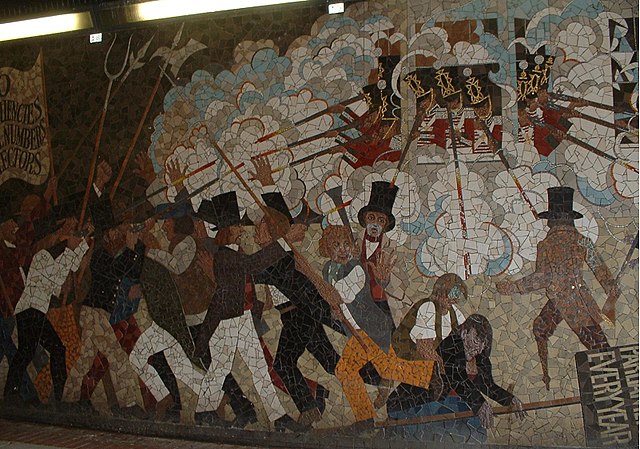
Newport, Wales, saw the most violence from Chartists
Approximately 20,000 men marched from Blackwood, Ebbw Vale, and Pontypool to Newport
They were protesting for the vote and to improve working conditions
When the protestors gathered outside the Westgate Hotel in Newport, soldiers inside the hotel shot at the crowd
This resulted in the death of eight Charitsts, and several others were wounded
The leaders were arrested, put on trial, and found guilty
The Swing Riots
From 1830 to 1831, agricultural labourers protested across Southern and Eastern England
They were frustrated about:
The use of machinery
Threshing machines replaced agricultural workers who relied upon this work in the winter months
Poverty
Low wages
High food prices
The harvests of 1828 and 1829 were very poor
These agricultural labourers protested by attacking rich farms; they
Smashed farm machinery
There were 390 reported attacks on threshing machines
Set fire to hayricks
There were 316 reported cases of arson
Those people who were caught faced harsh penalties
Hundreds were sent ot prison
At least 481 people were transported to the colonies
Nineteen people were hanged
Examiner Tips and Tricks
Students often mix up different protest movements of the 19th century. Be confident in explaining who they were, what they wanted, and how they protested.
The Luddites (1811–1816) protested against new machinery that threatened skilled textile jobs. Their actions were mainly in northern England and involved machine-breaking.
The Swing Riots (1830–1831) were rural protests by farm labourers against low wages and new threshing machines.
The Chartists (1838–1850s) were a working-class movement demanding political reform and the vote for all men.

Unlock more, it's free!
Join the 100,000+ Students that ❤️ Save My Exams
the (exam) results speak for themselves:

Was this revision note helpful?
