The Significance of Irenaeus' Writing (AQA GCSE Religious Studies B): Revision Note
Exam code: 8063

The meaning and significance of Irenaeus’s writings
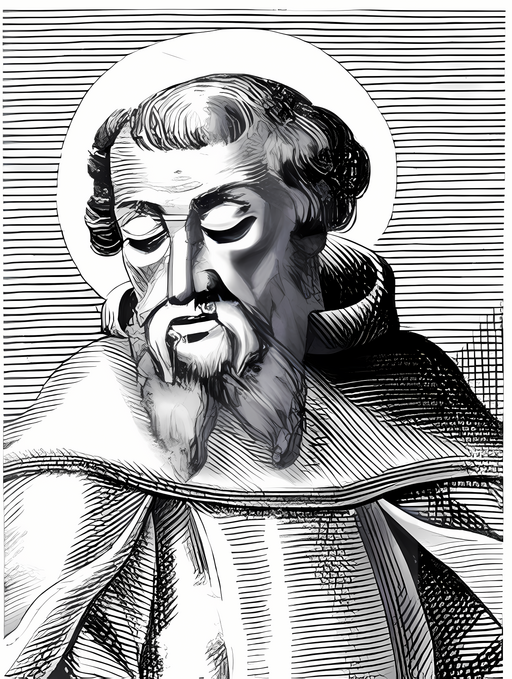
St Irenaeus of Lyon (c. 130–202 AD) was one of the leading teachers of the early Christian Church
Irenaeus was concerned with teaching believers about how Jesus, as God incarnate, was a meeting point between God and humanity
Irenaeus wrote Adversus Haereses (Against Heresies) to explain this idea
He explained that:
God is beyond human understanding
Christians can know what God is like, however, by looking at Jesus, the fullest revelation possible of God
Jesus is the Son of God so he displays the key qualities of God (as a perfect human, he also shows human qualities in their most perfect state)
Christians can therefore get a better understanding of God’s nature through looking at the life and example of Jesus
Jesus shows what God is like, which means that God is no longer hidden from humans
In short, Irenaeus explained that Jesus revealed God to man
Irenaeus is famous for saying:
“Life in man is the glory of God; the life of man is the vision of God” (St Irenaeus, Adversus Haereses)
This is about Jesus: It explains that Jesus, as someone who was fully open to God and followed God’s wishes most closely, reflected the “glory of God”
This phrase is also translated as: “The glory of God is a human being, fully alive.”
Jesus is the “fully alive” human being
All humans who follow Jesus’s teachings and example and remain open to God can also become more “fully alive” and reveal God’s glory themselves through their own good actions
Irenaeus’s work is part of the Catholic Church tradition, meaning that he is one of the teachers whose work is accepted by the Church as accurate and true
Catholics believe that the Holy Spirit inspired these teachers to speak the truth about God
Attribution:
Public domain
Worked Example
Explain two beliefs that St Irenaeus taught about Jesus.
[2 marks]
Answer:
St Irenaeus said that although God is beyond human understanding, Christians can develop a better understanding of what God is like through Jesus, the Son of God, God incarnate. [1 marks]
St Irenaeus also said that Jesus, as a human being who is “fully alive”, is the “glory of God” and that Christians can also show the “glory of God” by following his example. [1 marks]
Examiner Tips and Tricks
St Irenaeus’s writings are called Against Heresies because he was explaining that Jesus was both fully God and fully human to counter false ideas or “heresies” that were starting to circulate about Jesus’s nature. You can find out more about heresies on the next page.

Unlock more, it's free!
Join the 100,000+ Students that ❤️ Save My Exams
the (exam) results speak for themselves:

Was this revision note helpful?
