Catholic Tradition & the Kingdom of God (AQA GCSE Religious Studies B): Revision Note
Exam code: 8063

Four marks of the Church
The four marks of the Catholic Church are the qualities necessary for the Church to exist
They are one, holy, catholic and apostolic
They mark out the Catholic Church as different from every other institution
They are stated in the Nicene Creed
One
The Church is one united body, known as the Body of Christ
St Paul taught this idea to the Corinthians, saying:
“Now you are the body of Christ and individually members of it” (1 Corinthians 12:27)
Even though there are many individual believers and churches worldwide, they all unite together as one body of believers, just as different limbs form one body
Jesus encouraged unity among his followers, praying at the Last Supper “that they may all be one” (John 17:21)
Holy
The Catholic Church is holy because God is at work within it through the presence of the Holy Spirit
Even though the Church is filled with people who are far from perfect (sinners), they are all called to holiness because in baptism their original sin is washed away and they are filled with God’s grace
Baptism makes them holy and part of the family of God, the Body of Christ
Catholic
Catholic means worldwide or universal
The beliefs and teachings of the Church are universal, followed by Catholics worldwide
Apostolic
The Catholic Church’s teachings are based on the teachings of Jesus’s apostles, the people Jesus first sent out to teach his message
These teachings still guide the Church today
Apostolic succession
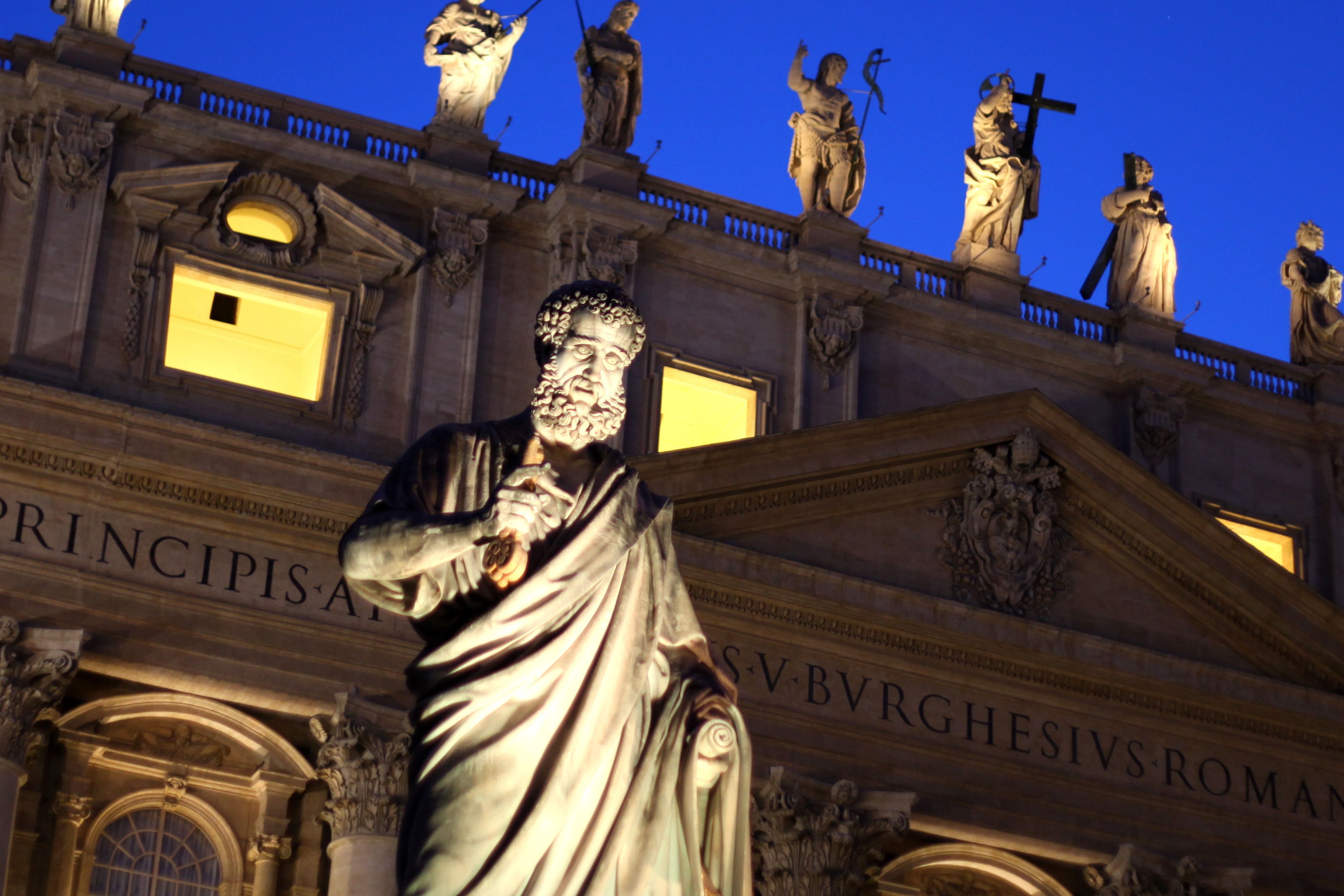
Bradley Weber, CC BY 2.0
Jesus’s closest followers were the apostles
They continued to spread the message of Jesus after his resurrection and ascension
When the apostles went to new areas, they appointed local leaders for the Church — these people became known as bishops
These bishops had the authority of the apostles
St Peter was the leader of the apostles and was given special authority by Jesus to act as his representative on earth
St Peter later became the bishop of Rome, the first Pope
Catholics believe that the Pope and bishops are the successors to the first apostles
Apostolic authority has been handed down in an unbroken line from one generation of bishops to the next — this is called apostolic succession
The combined authority of the bishops and Pope is known as the Magisterium
The Magisterium is the teaching authority of the Church
This means that working together, the Pope and bishops have the authority of the apostles to make important decisions about faith and doctrine
It is guided by the Holy Spirit and is therefore seen as infallible in its teachings (it is always right)
Worked Example
Give two marks of the Church that reflect the belief that it is a worldwide, united body?
[2 marks]
Answer:
One of the marks is catholic, which means worldwide. [1 mark]
Another is one, which means it is united all over the world. [1 mark]
Examiner Tips and Tricks
The four marks are easy to remember because they follow a 1–2–3–4 syllable pattern:
One (1 syllable)
Holy (2 syllables)
Catholic (3 syllables)
Apostolic (4 syllables)
If you remember the increasing syllable count, you can recall the four marks in the correct order in which they appear in the Nicene Creed.

Unlock more, it's free!
Join the 100,000+ Students that ❤️ Save My Exams
the (exam) results speak for themselves:

Was this revision note helpful?
