Origins of the Abolitionist Movement (SQA National 5 History): Revision Note
Exam code: X837 75

Summary
‘An Act for the Abolition of the Slave Trade’ became law on March 25th 1807. The Act introduced fines of £100 per enslaved person found on a ship for any captain who continued with the trade. The act brought an end to British involvement in the trade in enslaved Africans, but did not make slavery illegal. Direct British involvement in slavery would continue until 1833. It was only in 1838 that all enslaved people in the British Empire gained their freedom. The Abolition Act of 1807 was the result of decades of campaigning to abolish the trade.
The abolition movement in Britain had its origins in the 1760s and the campaign slowly gained increased public support throughout the 1770s and 1780s.
First, abolitionists campaigned for the end of British involvement in the trade in enslaved African people, and then the abolition of slavery as a whole. It was felt that abolishing the trade was a more realistic and achievable first step.
Role of the Quakers in abolition
Some of the first people to campaign against the trade were the Quakers, a religious group also known as the Society of Friends
The Quakers were Christians focused on peace and equality
In 1761, they had banned anyone involved in the trade in enslaved African people from joining their society
The first petition to end the trade in enslaved African people was in 1783, when 273 Quakers petitioned Parliament to end the trade
The Quakers also published anti-slavery books and pamphlets
They organised visits to private schools to talk about their anti-slavery message
This included Eton and Harrow, where many pupils were the sons of those who had made fortunes from the trade
In 1787, Quakers played a key role in establishing the Committee for the Society for Effecting the Abolition of the Slave Trade
The Society initially consisted of 12 men, nine of them Quakers
Quakers were banned from standing in Parliament
This meant the non-Quaker members of the group (Granville Sharp and Thomas Clarkson) were chosen to represent the committee
Later, William Wilberforce was recruited by Thomas Clarkson to be the voice of the movement in Parliament
The Case of the Zong
The case of the Zong was a court case brought about by the Liverpool-based insurance company, Gilbert and Co
William Gregson, the owner of the slave ship the Zong, submitted an insurance claim for £3990
The claim was for the cost of 133 enslaved African people who died on a voyage in 1781
The ship’s crew stated that 133 sick enslaved African people had been thrown overboard
They claimed this was to protect the crew and the remaining enslaved people from dehydration as a result of low fresh water supplies
Insurers discovered that when the ship had arrived in Jamaica, there were still 1910 litres of drinking water on board the ship
The ship’s log – the written record of everything that happened on the voyage – had disappeared
The case came to court in March 1783, but the insurers lost
The jury saw nothing wrong in the killing of African people to save the crew
John Lee, a lawyer defending the crew, argued that
‘[Enslaved People] are simply goods and property; it is madness to accuse these well-serving honourable men of murder.’
No officer or crew member was ever prosecuted for the deliberate killing of 133 enslaved people
The case became more widely reported due to the actions of abolitionists like Granville Sharp
Members of the public were shocked by the cruelty suffered by the enslaved African people on board the ship
The case became a major feature of the abolitionist movement
The Sons of Africa
By the 1780s, there were several formerly enslaved African people living in Britain, including Ottabah Cugoano and Oladuah Equiano
In 1786, along with other formerly enslaved Africans, they established the Sons of Africa - a pressure group campaigning for abolition
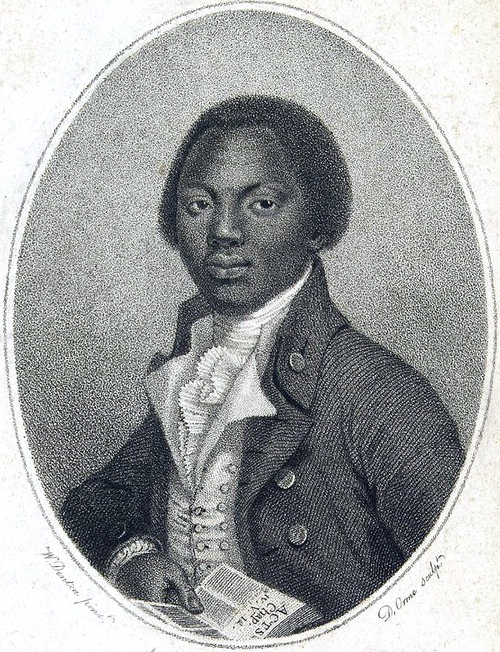
The evidence of Black abolitionists such as Equiano and Cugoano was crucial in ending British involvement in the trade in enslaved Africans
Both men published autobiographies detailing their experiences of enslavement
These gave the British public an insight into the experiences of enslaved people, both during the middle passage and on the plantations
Cugoano and Equiano also helped to challenge racist stereotypes towards African people that were widely held at the time
Equiano toured Britain to promote his book and spoke at abolitionist meetings
Cugoano argued that slavery was morally wrong and that every white man in Britain bore some responsibility for it
Cugoano wanted Britain to set an example by becoming the first country to abolish slavery completely
Cugoano regularly challenged other abolitionists because he did not believe the campaign was making enough progress
The role of women in the abolition campaign
Women played a crucial role in the origins of the abolition campaign
It was one of the first examples of mass political campaigning by women in Britain
Women were key in organising the sugar boycott
Over 300,000 people boycotted sugar, causing sales to decrease significantly
Individuals such as Mary Wollstonecraft and Hannah More played crucial roles in the abolition movement
Mary Wollstonecraft was a pioneering feminist
She was also an influential campaigner for the abolitionist movement
Her most famous work was ‘A Vindication of the Rights of Women’, in which she compared the experiences of women in British society to those of enslaved African people
Hannah More publicised the abolitionists’ campaign with her poem, 'Slavery, a Poem' (1788),
The poem told the troubles of an enslaved woman, who was abused and had her children taken from her and sold to other plantations
This was a theme repeatedly emphasised by female campaigners
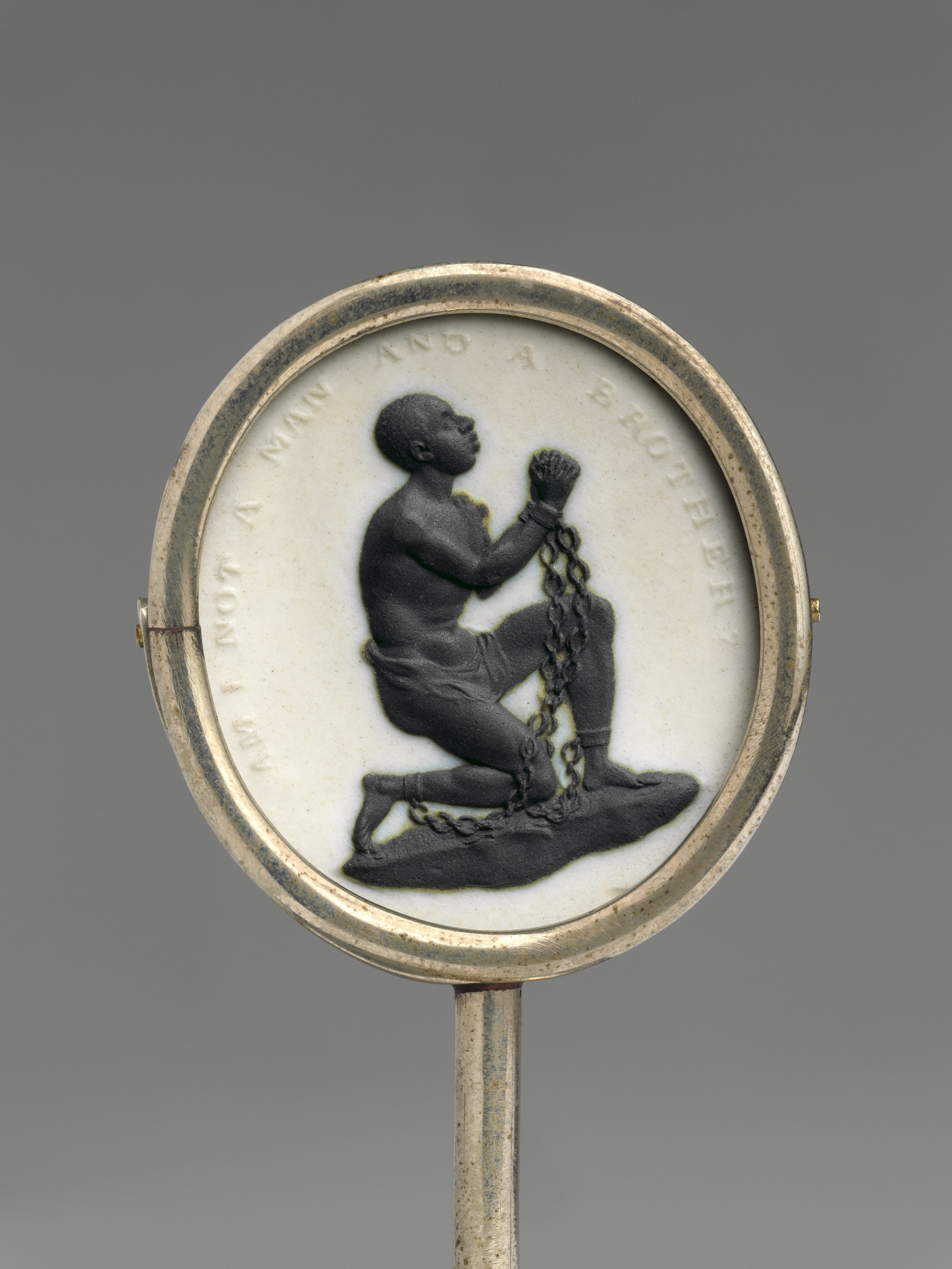
Middle-class women showed their support for the movement by buying jewellery such as Wedgwood’s cameos (Josiah Wedgewood was an abolitionist)
These featured the image of a kneeling, chained, enslaved person with the inscription ‘Am I not a man and a brother?’
Working-class women played a key role in abolition through boycotting sugar and rum made using enslaved labour
Lady Margaret Middleton is credited with encouraging both Thomas Clarkson and William Wilberforce to take up the abolitionist cause
Lady Middleton had no direct political power
She had to persuade male friends to take up the cause instead
Women were not invited to sign the thousands of petitions organised by the Abolition Society
Even though in 1788, there were 206 female members of the Society
Petitions and campaigns within parliament
There was an increasing number of signatures on petitions sent to Parliament
This demonstrates the success of early abolitionists in gaining support for the movement
The first petition sent to Parliament on the issue of abolition included just 273 signatures in 1783
Nine years later, in 1792, it is estimated that nearly 1.5million people had signed petitions against the trade in enslaved Africans
This number demonstrated that public opinion was turning firmly against the trade
Abolition became the first nationwide petitioning campaign
This was impressive given the organisational challenges of gathering signatures on a petition in the 18th Century
During 1787 and 1788, over 100 petitions containing 60,000 signatures were presented to parliament in just three months
Nearly every town and city in the country organised a petition against the slave trade
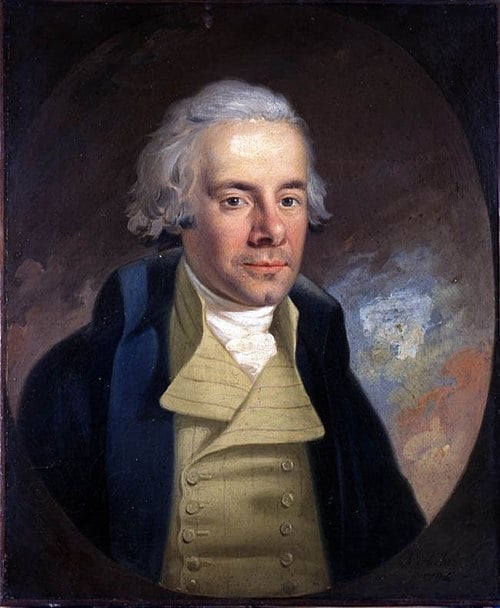
In parliament, William Wilberforce was the key driving force behind the abolition campaign
In 1789, Wilberforce spoke to parliament for over three and a half hours in favour of abolition
This initially had an impact, with parliament determining to hold hearings into the trade
This was delayed due to the events of the French Revolution

Unlock more, it's free!
Join the 100,000+ Students that ❤️ Save My Exams
the (exam) results speak for themselves:

Was this revision note helpful?
