The Effects of the Triangular Trade on British Ports (SQA National 5 History): Revision Note
Exam code: X837 75

Summary
British ports played a significant role in the triangular trade. Most of the financial benefits occurred in Britain. As a result, the British prospered during the time of the trade in enslaved African people.
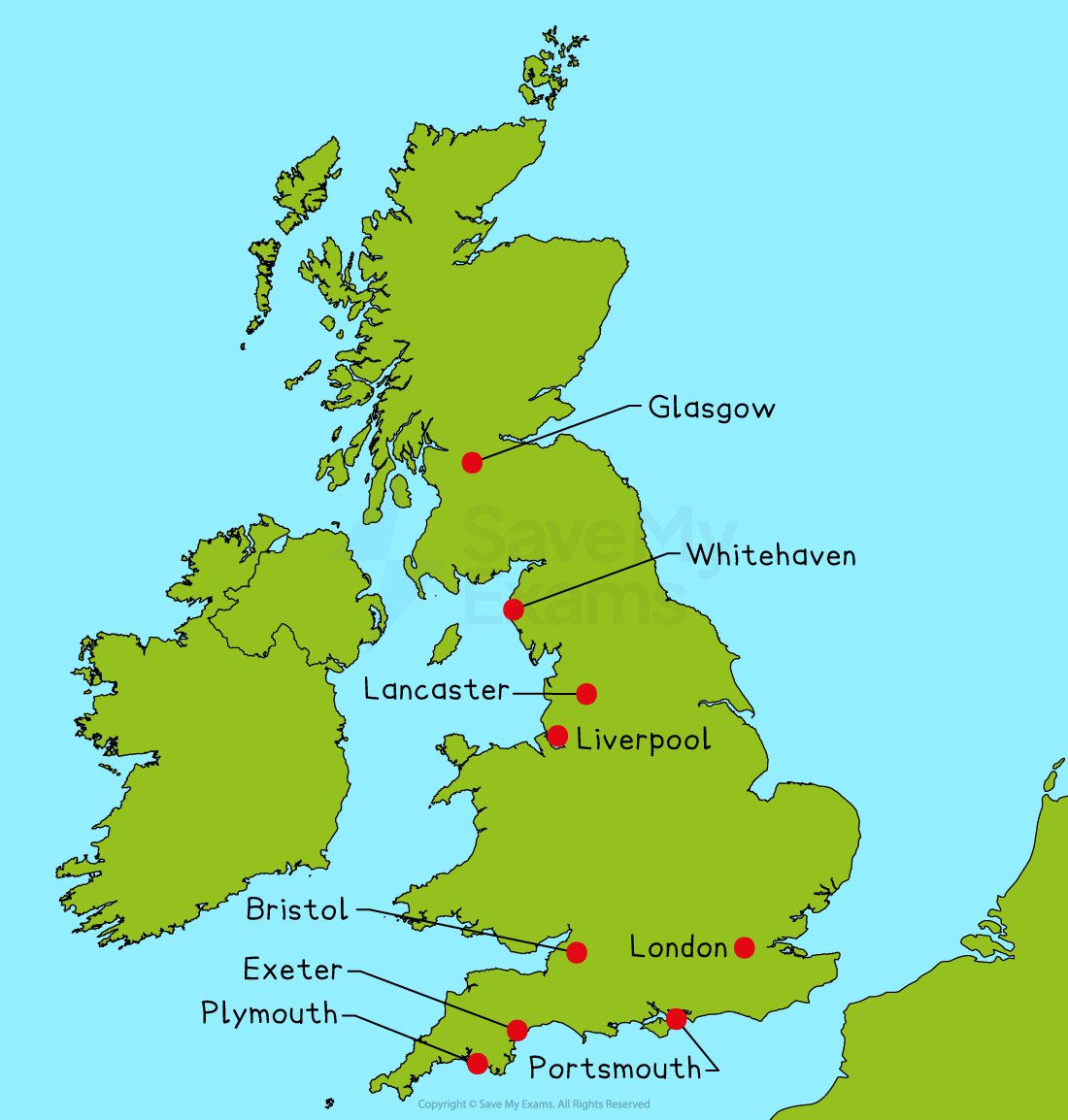
The three most important ports for the triangular trade were Bristol, Liverpool and London. Voyages that included the transport of enslaved African people also left from ports including Glasgow, Greenock, Lancaster, Portsmouth and Whitehaven.
Ports on the west coast of Britain benefited the most from the triangular trade. Their locations shortened the journey time to Africa and the return voyage from the Caribbean. These ports received many benefits from their involvement in the trade. For example, there was significant investment in quaysides. Factories and warehouses developed and many employment opportunities in these ports were directly or indirectly linked to the trade in enslaved people.
The effects of the trade on London
London was Britain’s main slave-trading port until the 1730s
Slave-ships continued to leave London until 1807, when British involvement in the trade in enslaved people ended
In total, over 800,000 African people were transported into enslavement by ships that left from London
London became the financial headquarters of the trade in enslaved African people for British merchants and businesses
Banks and insurance companies that financed the trade were often based in London
Lloyd's of London started as a small business based in a London coffee house
The profits made from insuring slave ships allowed it to grow into one of the world’s largest insurance firms
David and Alexander Barclay made vast amounts of money from the trade in enslaved African people
They set up Barclays Bank to provide loans to other merchants
The Bank of England provided finance for slave traders and plantation owners
Some of the top people in the bank also owned plantations in the Caribbean
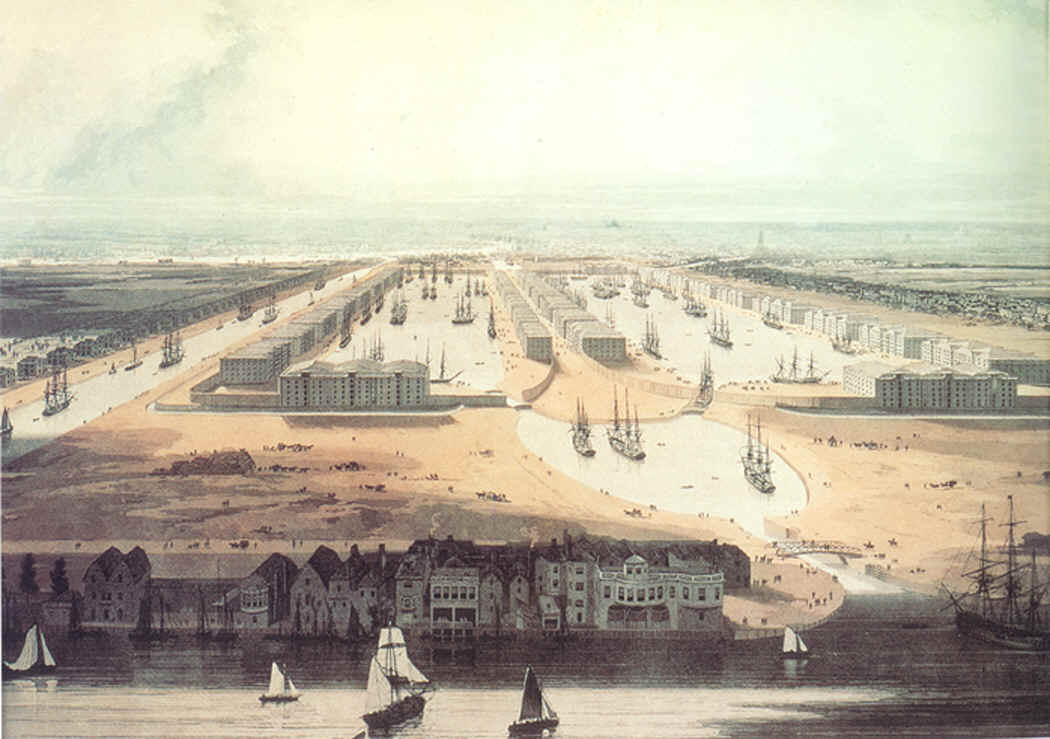
The West India Docks were opened in London in 1802
These provided warehouses for the storage of goods produced in the Caribbean
The docks had a 21-year monopoly on trade with the Caribbean
Many buildings, streets and parks in London were developed as a result of wealth made from involvement in the trade of enslaved people
City of London officials, including Lord Mayors, were investors in the Royal African Company and so made vast profits from the trade
The effects of the trade on Bristol
Bristol was the dominant slave-trading port in Britain from the 1730s to the 1740s
By 1807, over 2000 slave-trading voyages had departed from Bristol
By 1789, around 80% of all overseas trade from Bristol was with Africa and the Caribbean
Many residents of Bristol made money from the trade in enslaved people
Factories produced copper sheathing for ships
Other Bristol factories produced goods like pots, pans and gunpowder that were traded in Africa
Bristol’s sugar industry boomed due to its slave trade connections
At one time, Bristol had 22 sugar ‘houses’ or refineries
These refineries processed the crude sugars shipped across the Atlantic from plantations
The refined sugar was then sold to British consumers
Bristol boomed as a city because of its involvement in the trade in enslaved people
Merchants spent money on fine new buildings in the centre of the city
Many individuals made huge profits from the trade and used their wealth to gain political power
Edward Colston made significant wealth from his involvement with the Royal African Company
He later became a politician and also donated money to schools and hospitals
Many streets and buildings in Bristol were named after him
A statue was erected of him - a sign of his influence and power at the time
The effects of the trade on Liverpool
From the 1740s onwards, Liverpool was the dominant British slave-trading port
By the late 18th Century, Liverpool was responsible for 75 per cent of all slave-trading voyages across Europe
One in five African enslaved people was carried across the Atlantic Ocean in a slave ship from Liverpool
Liverpool became a world leader in shipbuilding due to the demand for ships for the slave trade
The triangular trade rapidly transformed Liverpool from a small town into a major port
In 1700, Liverpool had a population of 5000
By 1800, its population had increased to 78,000
Local craftspeople and industries supplied the slave ships
These industries included linen, glass, leather and metal goods
Estimates suggest that one in eight of Liverpool’s population depended on trade in enslaved people for employment
In the years between 1787 and 1807, all of Liverpool’s mayors had a background in the trade in enslaved people
In 1807, Thomas Leyland, a Liverpool slave merchant, founded Leyland and Bullins Bank

Unlock more, it's free!
Join the 100,000+ Students that ❤️ Save My Exams
the (exam) results speak for themselves:

Was this revision note helpful?
